What mental training techniques improve esports match performance under pressure?
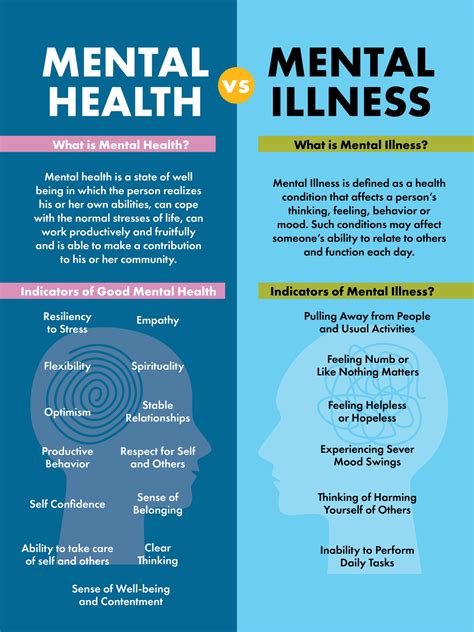
In the high-stakes world of esports, raw mechanical skill is just one piece of the puzzle. The intense pressure of competitive matches, often played before thousands of viewers and with significant prize pools on the line, demands unwavering mental fortitude. Like traditional athletes, esports competitors are increasingly turning to dedicated mental training to sharpen their focus, manage stress, and perform optimally when it matters most.
The Crucial Role of Mental Fortitude in Esports
The difference between victory and defeat in esports can hinge on a split-second decision or a perfectly executed strategy. Under pressure, however, decision-making can become clouded, motor skills can falter, and communication can break down. Mental training equips players with the tools to navigate these challenges, maintaining composure, clarity, and confidence even in the most critical moments.
Mindfulness and Focused Breathing
One of the foundational mental training techniques is mindfulness. This involves focusing on the present moment, acknowledging thoughts and feelings without judgment. For esports players, this can translate into being fully immersed in the game, rather than being distracted by past mistakes or future outcomes. Simple techniques like deep, controlled breathing exercises can be employed before, during, or after a match to reduce physiological signs of stress, such as an elevated heart rate, and re-center focus.
By consciously controlling their breath, players can activate the parasympathetic nervous system, promoting a state of calm and allowing for clearer thinking. Regularly practicing mindfulness outside of the game can build a stronger mental foundation, making it easier to tap into this state during intense competition.
Visualization and Mental Rehearsal
Visualization, also known as guided imagery, involves mentally rehearsing desired outcomes or successful plays. Esports athletes can close their eyes and vividly imagine themselves executing complex strategies flawlessly, hitting crucial shots, or communicating perfectly with their team. This technique not only builds confidence but also helps to ingrain positive neurological pathways, making those actions more likely to occur in actual gameplay.
Players might visualize clutch moments, successful team fights, or even how they will respond calmly to adverse situations. Regular visualization can reduce anxiety by making unfamiliar scenarios feel more familiar and manageable, preparing the mind for success before the game even begins.
Stress Management and Emotional Regulation
Recognizing and managing stress is paramount. Techniques include cognitive reframing, where players learn to reinterpret stressful situations not as threats, but as challenges or opportunities for growth. This shift in perspective can turn performance anxiety into positive arousal. Emotional regulation involves developing strategies to control impulsive reactions and maintain a stable emotional state throughout a match.
This might include identifying personal stress triggers, practicing detachment from negative self-talk, and employing quick mental reset techniques after a mistake. Understanding that emotions are a natural part of competition, but not letting them dictate performance, is a key skill.
Enhancing Focus and Concentration
In a game with constant stimuli and potential distractions, maintaining focus is a significant challenge. Mental training techniques help players develop robust concentration skills. This includes practicing selective attention – tuning out irrelevant stimuli (like crowd noise or chat) and locking onto critical in-game information. Attention control exercises can involve specific drills designed to maintain sustained focus for extended periods.

Pre-Game Routines and Rituals
Establishing consistent pre-game routines provides structure and a sense of control, reducing anxiety. These routines can include warm-up exercises (both physical and in-game), listening to specific music, meditation, or reviewing strategies. The predictability of a routine helps to mentally transition into a competitive mindset, signaling to the brain that it’s time to perform.
These rituals are not about superstition but about creating a consistent mental and physical state conducive to peak performance. They help players enter the game feeling prepared, composed, and ready to execute.
Building Resilience and Learning from Losses
Esports is a brutal environment where losses are inevitable. Mental training also focuses on building resilience – the ability to bounce back from setbacks. This involves developing a growth mindset, viewing losses not as failures but as valuable learning experiences. Post-match analysis should focus on objective improvements rather than dwelling on mistakes, fostering a positive outlook for future matches.
Understanding that every game is an opportunity to learn and improve, regardless of the outcome, helps players maintain motivation and confidence even after a tough defeat. This resilience is critical for long-term success in a competitive career.
Conclusion
The mental game in esports is as critical as mechanical skill, if not more so, especially when performing under pressure. By integrating techniques such as mindfulness, visualization, stress management, focus enhancement, structured pre-game routines, and resilience training, esports athletes can significantly improve their match performance. These aren’t just supplementary tools; they are essential components of a holistic training regimen that prepares players to excel in the demanding, high-stakes environment of competitive gaming, turning potential pressure into peak performance.