What methods best increase detailed, trustworthy user game review submissions?

The Quest for Quality Game Reviews
In the vibrant ecosystem of video games, user reviews are invaluable. They serve as a compass for prospective players, offer critical feedback to developers, and foster a sense of community. However, the sheer volume of submissions often means a mixed bag of quality, ranging from insightful critiques to single-word reactions. The challenge for platforms and developers alike is to cultivate an environment that encourages detailed, trustworthy, and genuinely helpful reviews.

1. Streamline and Structure the Submission Process
One of the most effective ways to improve review quality is to make the submission process itself conducive to detail and clarity. Ambiguous text boxes often lead to vague responses. By providing structure, you guide users towards more comprehensive feedback.
Clear Prompts and Questions
Instead of a generic “Write your review,” offer specific prompts. Ask about key aspects like gameplay mechanics, story, graphics, sound design, replayability, and value for money. “What did you enjoy most?” “What specific improvements would you suggest?” These questions act as mental checklists for reviewers.
Structured Forms and Rating Categories
Implement systems that allow users to rate different facets of the game (e.g., Graphics: 4/5, Gameplay: 3/5, Story: 5/5). Add fields for “Pros” and “Cons” that require short bullet points or sentences. This breaks down the review task into manageable chunks and encourages specific observations rather than broad generalizations.
2. Incentivize Quality, Not Just Quantity
While some users are intrinsically motivated, offering incentives can significantly boost both the volume and quality of submissions. The key is to reward meaningful contributions rather than just any submission.
Non-Monetary Rewards and Recognition
Consider awarding badges for “Detailed Reviewer,” “Most Helpful Review,” or “Top Contributor.” Showcase exemplary reviews on your platform’s front page or in newsletters. Public recognition and a sense of achievement can be powerful motivators.
Exclusive Access or In-Game Perks
For highly valued reviewers, offer early access to betas, exclusive in-game cosmetics, or even direct interaction opportunities with developers. This not only encourages quality but also builds loyalty within your community.

3. Foster a Trustworthy and Transparent Environment
Trust is the bedrock of any review system. Users need to believe that their feedback matters and that the reviews they read are genuine.
Verification and Reputation Systems
Implement “Verified Purchase” tags to distinguish reviews from actual owners of the game. Allow other users to rate the helpfulness of reviews (“Was this review helpful? Yes/No”). A reviewer’s “helpful” score can build their reputation, making their future submissions more credible.
Community Moderation and Reporting Tools
Empower users to report spam, offensive content, or unhelpful reviews. A combination of automated moderation and community flagging helps maintain cleanliness and relevancy. Transparency about moderation policies also builds trust.

4. Provide Guidance and Examples
Sometimes, users want to write good reviews but don’t know how. Giving them a helping hand can make a big difference.
Tips for Writing Effective Reviews
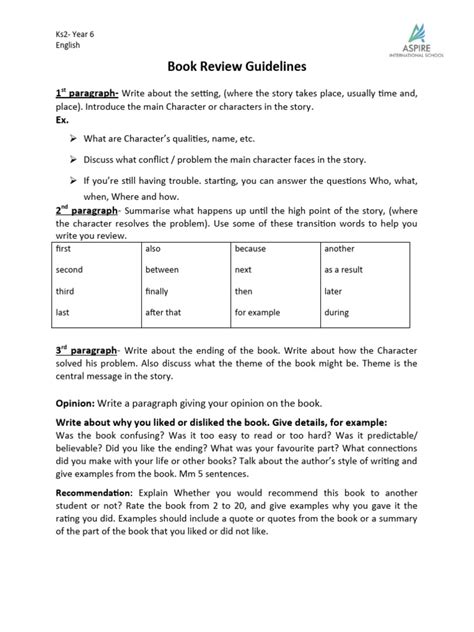
Offer a “How to Write a Great Review” guide or pop-up tips during the submission process. Advise on specificity, tone, avoiding spoilers, and focusing on user experience rather than personal attacks.
Showcase Exemplary Reviews
Highlight reviews that are detailed, balanced, and articulate. This provides concrete examples for others to emulate and sets a standard for the community.
5. Engage with Reviewers and Their Feedback
Reviewers are more likely to invest time and effort if they feel their voice is heard and valued.
Developer Responses and Interaction
Developers responding directly to reviews (positive or negative) shows that feedback is being considered. This can be as simple as a “Thank you for your detailed feedback!” or a more elaborate response addressing specific points.
Regularly Update Review Guidelines
As games and communities evolve, so too should review expectations. Regularly review and update your guidelines to reflect current best practices and community standards.

Conclusion
Increasing detailed and trustworthy user game review submissions is not a single fix but an ongoing commitment to fostering a quality-driven environment. By streamlining the submission process, offering smart incentives, building a foundation of trust, providing clear guidance, and actively engaging with the community, platforms can transform a simple review section into a rich, invaluable resource for players and developers alike. These strategies collectively empower users to become critical, constructive voices, ultimately enriching the entire gaming ecosystem.