


What proven strategies help competitive gamers overcome tilt during high-stakes matches?
Tilt is the bane of every competitive gamer. That spiraling frustration, anger, or despair following a bad play, a lost round, or an unforeseen technical glitch can quickly derail performance, turning a potential victory into a disheartening defeat. In the high-stakes environment of esports, where prize pools are substantial and careers are built on consistency, mastering tilt is not just an advantage—it’s a necessity. Professional gamers aren’t immune to these emotional pressures, but they employ a sophisticated toolkit of psychological and practical strategies to regain composure and maintain peak performance when it matters most.
Understanding Tilt: The Enemy Within
Before overcoming tilt, one must first recognize its insidious nature. Tilt isn’t just being angry; it’s a state where emotional responses hijack rational decision-making, leading to impulsive actions, poor judgment, and a breakdown of communication. It can manifest as excessive aggression, passive play, blaming teammates, or simply shutting down. The first step towards control is self-awareness—identifying the early warning signs, whether it’s a clenching jaw, rapid breathing, or negative internal monologue.

Pre-Match Routines: Setting the Foundation for Focus
Many professional players swear by meticulously crafted pre-match routines designed to prime their mental state. This isn’t just about warming up in-game; it encompasses practices that build mental resilience. This could include:
- Mindfulness and Meditation: Short meditation sessions or deep breathing exercises can calm nerves and improve focus, setting a baseline for emotional stability.
- Structured Warm-ups: Beyond mechanical drills, these warm-ups might involve reviewing strategies, visualizing successful plays, or listening to specific music to get into a “flow state.”
- Positive Self-Talk: Reinforcing confidence and focusing on strengths rather than potential weaknesses.
In-Game Strategies: Reclaiming Control Mid-Match
When tilt strikes during a live match, immediate action is crucial. Pros utilize several techniques to course-correct:
1. Tactical Pauses and Deep Breathing
In games that allow it, a tactical pause can be a lifesaver. Even a few seconds to close eyes, take a deep, controlled breath, and reset can significantly impact the next play. This physical act helps regulate the nervous system, reducing the fight-or-flight response associated with tilt.
2. Reframing Thoughts
Instead of dwelling on a mistake (“I’m so bad,” “We’re going to lose”), competitive gamers learn to reframe negative thoughts into constructive ones (“Okay, that was a mistake, but what can I learn?”, “Focus on the next round”). This shift from a fixed mindset to a growth mindset is pivotal.

3. Focusing on the Present Moment
Tilt often involves dwelling on past errors or fearing future outcomes. Elite players train themselves to bring their focus back to the immediate task, the current round, the next objective. This “one-play-at-a-time” mentality prevents the snowball effect of compounding frustration.
The Power of Communication and Teamwork
Esports is often a team endeavor, and healthy communication is a powerful anti-tilt mechanism. Teams with strong internal communication protocols can:
- Call for a Reset: A designated team leader or supportive teammate can recognize tilt in another and call for a collective “reset” or “calm down.”
- Constructive Feedback: Instead of blaming, focusing on what went wrong and how to fix it collaboratively fosters a supportive environment that mitigates individual frustration.
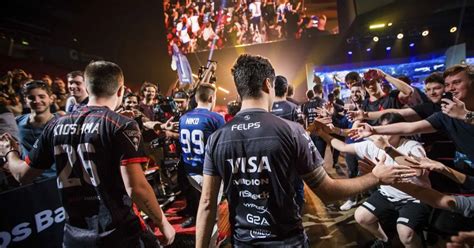
- Positive Reinforcement: Encouraging teammates, even after a tough play, reinforces team cohesion and boosts morale, making it harder for tilt to take root.
Post-Match Reflection: Learning from the Losses
The strategies extend beyond the game itself. Post-match analysis is critical for long-term tilt management. Instead of letting losses fuel resentment, professional players engage in:
- Objective VOD Review: Analyzing gameplay without emotional bias to identify specific errors and learn from them.
- Debriefing Sessions: Discussing the match calmly with coaches and teammates, focusing on constructive feedback.
- Emotional Processing: Acknowledging frustration, but not letting it define their self-worth or future performance. Understanding that tilt is a human reaction, not a sign of failure.
Building Long-Term Mental Resilience
Ultimately, overcoming tilt isn’t about avoiding negative emotions altogether, but about building resilience. This involves:
- Physical Health: Adequate sleep, nutrition, and exercise significantly impact mental clarity and emotional regulation.
- Stress Management: Hobbies outside of gaming, breaks, and time away from the screen are crucial for preventing burnout and managing overall stress levels.
- Professional Support: Some top esports organizations employ sports psychologists to help players develop personalized mental game strategies and cope with the pressures of competition.

Conclusion
Tilt is an inevitable adversary in competitive gaming, but it is not an insurmountable one. By combining meticulous pre-match preparation, disciplined in-game techniques, effective team communication, thoughtful post-match reflection, and a commitment to overall mental well-being, professional gamers transform emotional volatility into an opportunity for growth and enhanced performance. These proven strategies not only help them navigate the immediate pressures of high-stakes matches but also forge the kind of mental fortitude that defines true champions.