What PSU wattage for RTX 4080 Super + Ryzen 7 7800X3D?
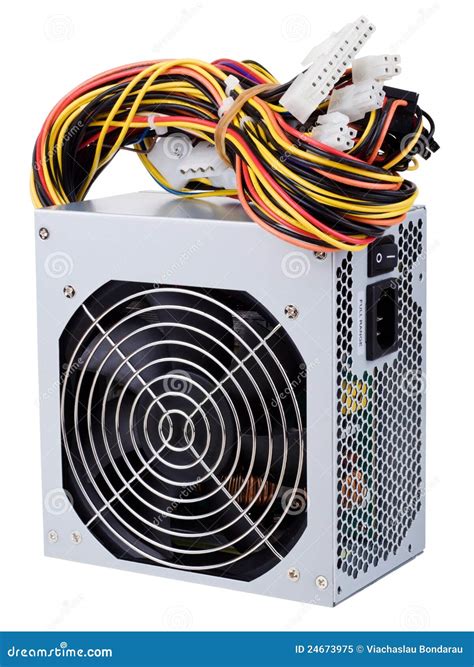
Building a high-performance gaming PC with top-tier components like the NVIDIA RTX 4080 Super and AMD Ryzen 7 7800X3D requires careful consideration of every part, especially the Power Supply Unit (PSU). The PSU is the heart of your system, delivering stable and consistent power to all components. An underpowered or low-quality PSU can lead to system instability, crashes, and even damage to your expensive hardware. So, what wattage should you aim for with this powerful duo?
Understanding Your Components’ Power Needs
To determine the optimal PSU wattage, we first need to look at the power draw of the main components:
- NVIDIA RTX 4080 Super: This GPU is a powerhouse designed for 4K gaming and demanding tasks. Its official Thermal Design Power (TDP) or Total Board Power (TBP) is 320W. However, modern GPUs, especially high-end ones, can experience transient power spikes that momentarily exceed their average draw. NVIDIA typically recommends a 750W PSU for the RTX 4080 Super alone.
- AMD Ryzen 7 7800X3D: Renowned for its gaming prowess thanks to 3D V-Cache, this CPU is surprisingly power-efficient for its performance. Its official TDP is 120W, but in real-world gaming scenarios, it often draws closer to 80-100W, with peak loads pushing towards its TDP.
- Other Components: Don’t forget the rest of your system. The motherboard, RAM (typically 20-30W for DDR5), NVMe SSDs (5-10W each), case fans, CPU cooler pump (if AIO), and USB peripherals all consume power. A safe estimate for these miscellaneous components is around 80-120W in total.
Calculating the Total Wattage
Let’s sum up the estimated peak power draw for a rough calculation:
- RTX 4080 Super: 320W (base)
- Ryzen 7 7800X3D: 120W (peak)
- Other Components: 100W (average high estimate)
- Subtotal: 320W + 120W + 100W = 540W
This subtotal represents the approximate maximum continuous draw under load. However, it’s crucial to factor in:
- Transient Power Spikes: GPUs can have spikes significantly higher than their TDP, albeit for very short durations. A good PSU must be able to handle these without tripping or causing instability.
- Headroom: Running a PSU at its absolute maximum capacity constantly can reduce its efficiency and lifespan. It’s best to have at least 20-30% headroom above your estimated peak draw. This also allows for potential future upgrades or slightly higher power draw variations.
Adding a 25% buffer to our 540W subtotal: 540W * 1.25 = 675W.
Recommended PSU Wattage
Considering the calculations and NVIDIA’s own recommendations:
-
Minimum Safe Recommendation: 750W
A high-quality 750W PSU from a reputable brand will be sufficient for an RTX 4080 Super and Ryzen 7 7800X3D build. This wattage aligns with NVIDIA’s official guidance and provides enough headroom for the CPU and other components. Ensure it’s an 80 PLUS Gold or better certified unit for efficiency and reliability.
-
Optimal Recommendation: 850W
For even greater peace of mind, better efficiency under typical loads (as PSUs are most efficient at 50-70% load), and significant future-proofing, an 850W PSU is the sweet spot. This provides ample headroom for any transient spikes, potential minor overclocks, or future upgrades to slightly more power-hungry components without needing to replace the PSU. It’s often only a small price difference from a 750W unit in a similar quality tier.

Beyond Wattage: Key PSU Considerations
Wattage is important, but it’s not the only factor. A good PSU also encompasses:
-
80 PLUS Certification
Look for at least 80 PLUS Gold certification. This indicates good efficiency, meaning less power is wasted as heat, and more stable power delivery to your components. Platinum or Titanium offer even higher efficiency but come at a premium.
-
Brand and Quality
Stick to reputable brands known for their reliable PSUs, such as Seasonic, Corsair, be quiet!, EVGA, Cooler Master, or Super Flower. These brands often offer better internal components, robust protection features, and longer warranties.
-
Modularity
Fully modular PSUs allow you to detach all cables, making cable management significantly easier and improving airflow within your case. Semi-modular PSUs have essential cables permanently attached, while non-modular PSUs have all cables permanently attached.
-
Warranty
A longer warranty (5-10 years) is a good indicator of a manufacturer’s confidence in their product’s durability and quality.

Why a High-Quality PSU Matters
Investing in a good quality PSU, even if it seems like a higher upfront cost, is crucial for several reasons:
- System Stability: A stable PSU prevents random reboots, crashes, and performance issues under load.
- Component Protection: Quality PSUs include various protections (over-voltage, under-voltage, short-circuit, etc.) that shield your expensive CPU and GPU from electrical damage.
- Longevity: A high-quality PSU is built with better components, ensuring it lasts for many years, potentially through several system upgrades.
- Efficiency: Higher efficiency means lower electricity bills and less heat generated inside your case.
Conclusion
For an RTX 4080 Super and Ryzen 7 7800X3D build, a 750W PSU is the minimum recommendation, provided it’s a high-quality unit from a reputable brand with at least an 80 PLUS Gold rating. However, the optimal choice for peace of mind, better efficiency, and future-proofing would be an 850W PSU. Do not compromise on the PSU; it’s the foundation of your entire system’s stability and longevity. A little extra investment here can save you a lot of headaches and potential costs down the line.