What SEO strategies best promote Indie Spotlight articles to reach more niche gaming audiences?

Understanding the Niche Gaming Landscape
Reaching niche gaming audiences with “Indie Spotlight” articles demands more than generic SEO. It requires a targeted approach that acknowledges the unique interests, platforms, and communities where these specific gamers congregate. Unlike mainstream titles, indie games often appeal to players seeking unique experiences, specific genres, or innovative mechanics, making precision in promotion paramount.
The goal is to connect your compelling indie game features, developer interviews, or deep dives with the exact individuals who are most likely to appreciate them. This means moving beyond broad search terms and diving into the granular details of player behavior and preferences.
Pillars of SEO for Indie Spotlight Articles
1. Deep Dive into Niche Keyword Research
Effective promotion starts with understanding what your target audience is searching for. For niche gaming, this means:
- Long-Tail Keywords: Instead of “best indie games,” think “pixel art RPG with moral choices” or “metroidvania challenging platformer.” These phrases have lower search volume but higher intent.
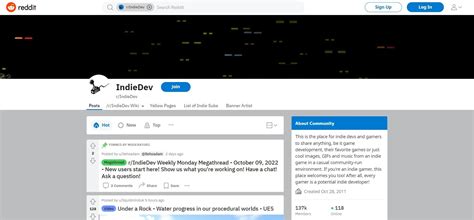
- Community Analysis: Scour Reddit subreddits (e.g., r/indiegames, r/patientgamers, genre-specific subs), Discord servers, and specialized gaming forums. What questions are players asking? What problems are they trying to solve? What specific game mechanics or themes are they discussing?
- Competitor Keyword Gaps: Analyze successful indie game articles or reviews in similar niches. What keywords are they ranking for that you could also target?
- Google Trends and Auto-Suggest: Use these tools to discover emerging interests and related search queries within your niche.
2. On-Page Optimization for Discoverability
Once you have your keywords, integrate them naturally into your “Indie Spotlight” article:
- Compelling Title Tags and Meta Descriptions: Craft titles and descriptions that are keyword-rich but also enticing, accurately reflecting the unique appeal of the featured indie game. Include the game’s name and its defining characteristics.
- Strategic Heading Structure: Use
<h2>and<h3>tags to break up content and incorporate secondary keywords. For example, an<h3>might be “Gameplay Mechanics of [Game Name]” or “Developer Insights: Crafting [Unique Feature].” - High-Quality, Engaging Content: The article itself must deliver value. Go beyond a simple review; offer unique perspectives, developer interviews, deep dives into lore, or tips for playing. This encourages longer dwell times and reduces bounce rates, signaling quality to search engines.
- Image Alt Text: Optimize all images with descriptive alt text that includes relevant keywords. For example,
alt="gameplay screenshot of [Game Name] pixel art".

3. Technical SEO for Gaming Platforms
While often overlooked for articles, technical SEO is crucial for visibility:
- Site Speed and Mobile Responsiveness: Ensure your website loads quickly and is fully optimized for mobile devices, as many gamers browse on phones.
- Structured Data (Schema Markup): Implement Schema markup, particularly
<Article>or even<VideoGame>if applicable, to help search engines understand your content better and potentially display rich snippets in search results. - XML Sitemaps and Robots.txt: Ensure these are correctly configured to guide search engine crawlers.
4. Crafting Engaging Content Beyond the Article
An “Indie Spotlight” article can be a hub for multimedia content:
- Embedded Videos: Include trailers, gameplay footage, or developer diaries directly within your article to enhance engagement and provide more context.
- Interactive Elements: Polls, quizzes, or comment sections can encourage interaction and community building around the featured game.
- Downloadable Assets: Offer wallpapers, concept art, or short demo links (if appropriate and allowed by the developer) to further engage the audience.
5. Leveraging Backlinks and Community Engagement
Even the most perfectly optimized article needs amplification:
- Outreach to Niche Influencers: Connect with small streamers, YouTubers, bloggers, or podcasters who focus on your specific indie game niche. A mention or link from them can be incredibly powerful.
- Guest Posts and Collaborations: Offer to write guest posts for other gaming blogs or collaborate on content that cross-promotes your articles.
- Forum and Community Participation: Actively engage in relevant gaming forums, Discord servers, and subreddits. Share your “Indie Spotlight” articles where they add value to a discussion, but always avoid spamming.
- Press Releases (Targeted): For significant indie game launches or major updates, consider targeted press releases to niche gaming news sites.
6. Social Media and Niche Platforms
Promote your articles where niche audiences live:
- Reddit: Identify specific subreddits (e.g., r/gamereviews, genre-specific subs) where your article would be well-received. Engage authentically.
- Discord: Many indie game communities thrive on Discord. Share your spotlights in relevant channels, always adhering to server rules.
- Twitter/X and Mastodon: Use relevant hashtags (e.g., #indiedev, #indiegame, #gamedev, genre-specific hashtags) and tag the game developers.
- Specialized Platforms: Consider platforms like itch.io’s devlogs or other indie-focused aggregators if they offer content sharing opportunities.
Measuring Success and Adapting Strategies
Regularly monitor your article’s performance using tools like Google Analytics. Track:
- Organic Search Traffic: How many users are finding your article through search engines?
- Keyword Rankings: Are your targeted niche keywords improving in rank?
- Engagement Metrics: Dwell time, bounce rate, pages per session – these indicate how much users are engaging with your content.
- Conversion Goals: Are users clicking through to the game’s store page or developer website?
Use these insights to refine your keyword strategy, optimize existing content, and discover new opportunities for promoting future “Indie Spotlight” articles. SEO for niche gaming is an ongoing process of discovery, optimization, and community building.