


What SEO strategies boost game guide visibility for specific player queries?

In the competitive landscape of online gaming, getting your meticulously crafted game guides noticed by players actively seeking solutions is crucial. Simply publishing a guide isn’t enough; strategic SEO is essential to ensure your content ranks high for the precise questions players are typing into search engines. This means understanding player intent and optimizing every aspect of your guide for discoverability.
Understanding Player Intent and Keyword Research
The foundation of boosting visibility lies in comprehensive keyword research tailored to specific player queries. Players often use long-tail keywords that reveal their exact needs, such as “how to beat [boss name] Elden Ring” or “best build for [character] Diablo 4 season 3.” Focus on these specific phrases rather than broad terms.
Utilize tools like Google Keyword Planner, SEMrush, Ahrefs, or even in-game search functions and community forums (Reddit, Discord) to uncover frequently asked questions, common pain points, and specific terminology players use. Pay attention to question-based queries (who, what, when, where, why, how) and compare-and-contrast queries (“X vs. Y”).

On-Page Optimization for Game Guides
Once you have your target keywords, integrate them naturally and strategically throughout your guide:
- Title Tags & Meta Descriptions: Craft compelling, keyword-rich title tags that accurately reflect the guide’s content and encourage clicks. Your meta description should summarize the guide and include your primary keywords, enticing users to choose your link.
- Headings (H1, H2, H3): Structure your guide with clear, hierarchical headings. Your H1 should contain your primary keyword, and subsequent H2s and H3s should use variations and related long-tail keywords to break down complex topics into digestible sections.
- Content Quality & Depth: Provide comprehensive, accurate, and actionable information. Google prioritizes content that fully answers a user’s query. Include step-by-step instructions, screenshots, video embeds, and clear explanations. Aim for unique insights and value that differentiate your guide.
- Image Alt Text: Optimize any images or screenshots used in your guide with descriptive alt text that includes relevant keywords. This helps search engines understand the image content and improves accessibility.
Technical SEO Enhancements
Beyond content, the technical health of your website plays a significant role in visibility:
- Mobile-Friendliness: Ensure your game guides are fully responsive and easy to navigate on all devices, especially mobile phones, as many players search on the go. Google’s mobile-first indexing prioritizes mobile versions of websites.
- Site Speed: Optimize your website’s loading speed. Slow sites lead to high bounce rates and negatively impact search rankings. Compress images, leverage browser caching, and use efficient hosting.
- Schema Markup: Implement structured data (Schema Markup) where appropriate, such as “HowTo” or “Q&A” schema. This helps search engines understand the nature of your content and can lead to rich snippets in search results, increasing visibility and click-through rates.
- XML Sitemaps & Robots.txt: Ensure your XML sitemap is up-to-date and submitted to Google Search Console, helping search engines discover your new guides. Use robots.txt to guide crawlers on what to index.

Building Authority and User Experience
Search engines favor authoritative sources that provide excellent user experiences:
- Internal Linking: Strategically link to other relevant guides on your site. This helps distribute link equity, improves site navigation for users, and encourages longer site visits.
- Backlinks: Earn high-quality backlinks from reputable gaming sites, forums, and communities. Backlinks signal to search engines that your content is valuable and trustworthy.
- User Engagement: Encourage comments, shares, and discussions. High engagement can indirectly signal content quality to search engines and improve visibility through social sharing.
- Regular Updates: Games evolve with patches and expansions. Keep your guides updated with the latest information to maintain accuracy and relevance, indicating fresh, valuable content to search engines.
Analyzing and Adapting
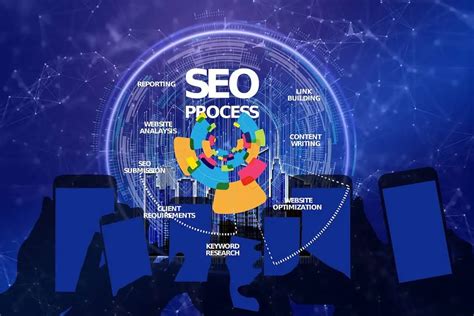
SEO is not a one-time task but an ongoing process. Regularly monitor your game guide’s performance using tools like Google Analytics and Google Search Console. Track which queries your guides are ranking for, their click-through rates, and user behavior on your pages.
Identify underperforming guides and analyze competitors. Are there new player queries emerging? Are your competitors ranking for terms you missed? Use this data to refine your keyword strategy, optimize existing content, and identify opportunities for new guides. Continuous analysis and adaptation are key to sustained visibility in the dynamic world of gaming.

By diligently applying these SEO strategies, your game guides will not only gain better visibility for specific player queries but also establish your platform as a go-to resource for the gaming community. It’s a combination of meticulous planning, technical execution, and a deep understanding of what players truly need.