





What SEO tactics boost game review visibility and reader engagement?

In the vast, competitive landscape of online gaming, a well-written game review can be a valuable resource for potential players. However, even the most insightful critique or glowing recommendation can get lost if it isn’t discovered by its intended audience. This is where robust Search Engine Optimization (SEO) tactics become indispensable, not only for boosting visibility but also for fostering genuine reader engagement.
Mastering Keyword Research for Game Reviews
The foundation of any successful SEO strategy lies in meticulous keyword research. For game reviews, this means going beyond just the game’s title. Think like a player searching for information. What questions do they ask? What specific aspects of a game are they interested in?
- Game Title + Modifiers: Combine the game title with terms like “review,” “gameplay,” “is it worth it,” “pros and cons,” “best build,” or “endgame.” For example, “Elden Ring review” or “Cyberpunk 2077 update 2.0 review.”
- Long-Tail Keywords: These are more specific, often question-based phrases that attract highly qualified traffic. Examples include “best indie horror games to play on PC” or “should I buy Starfield on Xbox Series X.”
- Competitor Analysis: See what keywords your successful competitors are ranking for. Tools like Ahrefs, SEMrush, or even Google’s “People also ask” section can provide valuable insights.

On-Page SEO: Optimizing Your Review for Search Engines
Once you have your keywords, integrate them naturally throughout your review. On-page SEO involves optimizing various elements directly on your web page.
Crafting Compelling Meta Titles and Descriptions
Your meta title (the clickable link in search results) and meta description (the snippet below it) are your first impression. They should include your primary keyword, accurately reflect the content, and entice users to click. Keep meta titles under 60 characters and descriptions around 150-160 characters.
Strategic Use of Headings (H1, H2, H3)
Organize your review with a clear hierarchy of headings. Your article title will typically be the H1. Use H2s for major sections (e.g., “Gameplay,” “Story,” “Graphics,” “Sound”) and H3s for sub-sections. This not only improves readability for users but also signals to search engines the main topics covered.
Optimizing Content Readability and Structure
Write for humans first, search engines second. Use short paragraphs, bullet points, and bold text to break up large blocks of text. Ensure a natural keyword density without keyword stuffing. Internal links to other relevant reviews or guides on your site can also boost SEO and user experience.

High-Quality Content: The Ultimate SEO Driver
Search engines prioritize valuable, original, and comprehensive content. For game reviews, this means:
- Originality and Depth: Offer unique insights, personal experiences, and a thorough analysis of the game’s mechanics, story, and overall impact. Avoid generic summaries.
- Multimedia Integration: Embed gameplay videos, high-quality screenshots, and even audio clips. This makes your review more engaging and can increase dwell time, a positive SEO signal.
- Expertise, Authoritativeness, Trustworthiness (E-A-T): Demonstrate your knowledge of the gaming industry and specific genres. Back up your claims with evidence and provide a clear, unbiased perspective.

Technical SEO Essentials for Review Sites
Beyond content, the technical health of your website impacts its search performance.
- Site Speed: Slow-loading pages frustrate users and hurt rankings. Optimize images, leverage caching, and choose a reliable hosting provider.
- Mobile-Friendliness: With a significant portion of internet traffic coming from mobile devices, ensure your review site is fully responsive and offers a seamless experience on all screen sizes.
- Structured Data (Schema Markup): Implement review schema markup (e.g., AggregateRating, Review snippets) to help search engines understand the content and potentially display rich results (star ratings) in SERPs, significantly improving click-through rates.
Boosting Engagement: Beyond the Search Results
Visibility is just one piece of the puzzle; reader engagement keeps them coming back and signals value to search engines.
- Interactive Elements: Polls, quizzes, or comment sections where readers can share their own thoughts and scores can foster community.
- Call to Action (CTA): Encourage readers to comment, share the review, or check out related content.
- Social Media Promotion: Share your reviews across relevant social media platforms to drive traffic and encourage discussions.
- Respond to Comments: Actively engaging with your audience in the comments section builds loyalty and trust.

Measuring and Adapting Your Strategy
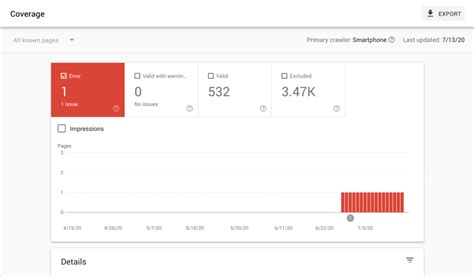
SEO is not a “set it and forget it” task. Regularly monitor your performance using tools like Google Analytics and Google Search Console. Track keyword rankings, organic traffic, bounce rate, and average session duration. Identify what’s working and what isn’t, and adjust your strategy accordingly.
Conclusion
Achieving high visibility and strong reader engagement for game reviews demands a holistic approach to SEO. By meticulously researching keywords, optimizing on-page elements, crafting high-quality and engaging content, ensuring technical soundness, and actively fostering community interaction, you can ensure your insightful reviews reach the vast audience they deserve and build a loyal readership in the process.



