What setup tips minimize input lag for competitive PC gaming?
Input lag, the delay between your action and its display on screen, can be the difference between victory and defeat in competitive PC gaming. Minimizing this delay is paramount for players seeking peak performance. This guide delves into a comprehensive set of hardware, software, and setup tips to shave off those crucial milliseconds, ensuring your reactions are as immediate as possible.
Understanding Input Lag and Its Impact
Input lag isn’t just about your internet connection; it encompasses delays from your mouse click or key press, through your PC’s processing, the monitor’s display, and everything in between. Even tiny reductions in latency can significantly improve aim precision, reaction times, and overall responsiveness, providing a tangible competitive edge.

Hardware Foundations for Low Latency
Your hardware choices form the backbone of a low-latency setup.
Monitor Selection
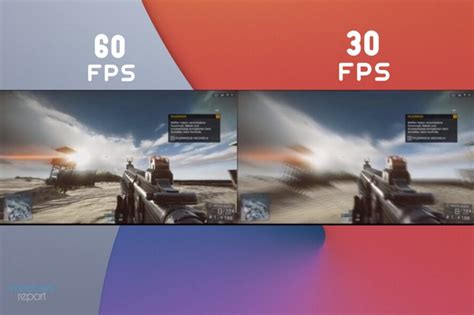
Prioritize monitors with high refresh rates (144Hz, 240Hz, or higher) and low response times (1ms GTG is ideal). A higher refresh rate means more frames are displayed per second, reducing the visual delay between frames. While G-Sync or FreeSync can reduce screen tearing, ensure your frame rate consistently stays within the VRR range, or consider disabling them for specific competitive titles if they introduce any perceived latency for you.
Graphics Card (GPU)
A powerful GPU capable of consistently rendering your game at frame rates significantly higher than your monitor’s refresh rate (e.g., 200+ FPS on a 144Hz monitor) is vital. This creates a “render ahead” buffer, giving your system more up-to-date frames to send to the display, reducing GPU-induced lag.
Peripherals: Mouse & Keyboard
Opt for wired mice and keyboards. Wireless peripherals, even high-end ones, can introduce minuscule, unpredictable delays. For mice, a high polling rate (1000Hz) ensures the mouse reports its position to the PC more frequently. Mechanical keyboards with linear switches can sometimes feel more responsive due to their actuation characteristics, though this is often subjective.

Software & System Optimizations
Even with top-tier hardware, software settings can significantly impact input lag.
In-Game Settings
- Disable V-Sync: V-Sync synchronizes your game’s frame rate with your monitor’s refresh rate to prevent screen tearing, but it inherently introduces input lag. For competitive play, it’s almost always recommended to disable it, accepting minor tearing for maximum responsiveness.
- Frame Rate Limiting: If you’re consistently getting extremely high frame rates (e.g., 500 FPS on a 144Hz monitor), consider limiting your frame rate to slightly above your monitor’s refresh rate (e.g., 180-200 FPS). This can reduce GPU load and sometimes lead to more consistent frame delivery, which can feel smoother.
- Graphics Settings: Lowering demanding graphical settings often boosts frame rates, which in turn reduces overall system latency. Prioritize frame rate over visual fidelity in competitive titles.
Operating System (OS) Settings
- Game Mode: Enable Windows Game Mode. It optimizes background processes and resource allocation for gaming.
- Power Plan: Set your Windows power plan to “High Performance” to ensure your CPU and GPU are running at full clock speeds.
- Disable Mouse Acceleration: In Windows mouse settings, disable “Enhance pointer precision.” This introduces inconsistent mouse movement based on speed.

GPU Driver Settings
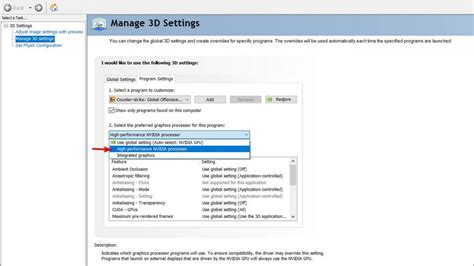
Both NVIDIA and AMD offer low-latency modes in their respective control panels (NVIDIA Reflex Low Latency Mode / AMD Radeon Anti-Lag). Enable these for supported games. These technologies dynamically adjust frame queues, often resulting in significant input lag reductions.
Monitor & Display Configuration
Beyond refresh rate, your monitor’s own settings are crucial.
- Monitor Game Mode: Many gaming monitors have an OSD (On-Screen Display) setting called “Game Mode” or similar. This often bypasses some internal image processing, reducing display latency.
- Overdrive/Response Time Settings: Experiment with your monitor’s overdrive settings. While “Extreme” or “Fastest” settings can reduce ghosting, they can also introduce inverse ghosting or artifacts. Find a balance that looks good without visual anomalies.
- Native Resolution: Always play at your monitor’s native resolution. Scaling can introduce slight delays.

Network Latency: The Unseen Factor
While often associated with “ping,” network latency can also contribute to the overall feeling of input lag.
- Wired Ethernet: Always use a wired Ethernet connection instead of Wi-Fi for competitive gaming. Ethernet provides a more stable, lower-latency connection.
- Quality of Service (QoS): If multiple devices share your network, consider enabling QoS on your router to prioritize gaming traffic.

Conclusion
Minimizing input lag for competitive PC gaming is a multi-faceted endeavor that combines smart hardware choices with meticulous software and setup optimizations. Each tip, whether it’s upgrading to a high-refresh-rate monitor, disabling V-Sync, or ensuring a wired connection, contributes to a more responsive and fluid gaming experience. By implementing these strategies, you can reduce the delay between your actions and the on-screen outcome, giving you the best possible chance to react quickly and dominate the competition.