What specific elements in an indie game guarantee it a top ‘Spotlight’ feature?

The Allure of the ‘Spotlight’ Feature
For any indie game developer, securing a ‘Spotlight’ feature on a major digital storefront like Steam, the Nintendo eShop, or PlayStation Store is akin to striking gold. It offers unparalleled visibility, driving massive traffic and sales that can launch a small studio into the stratosphere. But what precisely makes a game stand out among the thousands released annually? It’s not just about being ‘good’; it’s about hitting a specific confluence of factors that resonate deeply with platform curators and, ultimately, players.
Earning that coveted top slot requires more than just talent; it demands strategic development, meticulous execution, and an understanding of what truly captivates an audience and a platform’s editorial team. Let’s break down the specific elements that are non-negotiable for a game aspiring to the highest echelons of recognition.

Core Pillars of a Spotlight-Worthy Indie Game
1. Unwavering Innovation and a Unique Hook
At the heart of every spotlighted indie game lies a compelling, often innovative, core concept. This doesn’t necessarily mean inventing an entirely new genre, but rather bringing a fresh perspective, a unique twist on established mechanics, or a bold narrative approach. Curators are looking for games that offer something genuinely different, something that sparks curiosity and stands out from the crowd of iterative designs. Whether it’s a groundbreaking gameplay loop, an unexpected genre blend, or a novel interactive storytelling method, the ‘hook’ must be strong and instantly appealing.
2. Impeccable Polish and Technical Excellence
Even the most brilliant concept can fall flat without pristine execution. A spotlighted game must exhibit an exceptional level of polish. This means minimal bugs, smooth performance across target platforms, intuitive user interfaces, and seamless user experience. Every animation, sound effect, and menu transition should feel intentional and refined. Technical stability is paramount; curators are hesitant to feature games that might frustrate players with crashes, glitches, or poor optimization, as it reflects negatively on the platform itself.

3. Distinctive Art Style and Stellar Sound Design
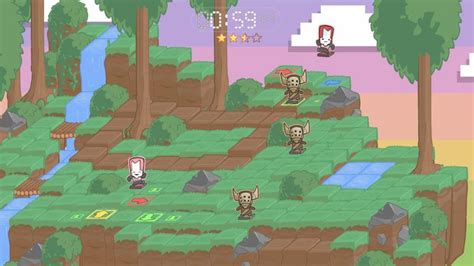
Visuals and audio are the immediate gateways to a game’s world. A memorable, coherent, and distinctive art style is crucial. This doesn’t mean hyper-realistic graphics are required; pixel art, hand-drawn aesthetics, or minimalist designs can all be incredibly effective if executed with mastery and originality. Coupled with this, high-quality sound design – from atmospheric music to satisfying sound effects and professional voice acting (if applicable) – creates an immersive experience that elevates the game beyond its mechanics. The aesthetic package should feel complete and unique.
4. Compelling Narrative or World-Building (Where Applicable)
While not every indie game is story-driven, those that are often find greater resonance. A well-crafted narrative, intriguing lore, memorable characters, and impactful emotional beats can transform a good game into an unforgettable one. For non-narrative games, strong world-building – creating a cohesive, believable, and engaging setting for the gameplay – achieves a similar effect, providing depth and context that encourages players to invest more deeply.

5. Robust Community Engagement and Pre-Launch Hype
A game’s potential for a spotlight feature isn’t solely judged by its intrinsic quality. Platform curators also look for signs of existing momentum and player interest. Early community engagement through well-executed demos, active social media presence, developer diaries, and participation in events (like Steam Next Fest) demonstrates a game’s ability to attract and retain an audience. A strong pre-launch buzz signals to platforms that the game is not only good but also has a ready-made audience eager to play, minimizing their risk in featuring it prominently.
6. Strategic Platform Readiness and Accessibility
Finally, a game must be ready for the specific platform it targets. This includes optimizing for different hardware configurations, supporting relevant input methods (controller support, remappable keys), and ideally, incorporating accessibility features (colorblind modes, adjustable text size, difficulty options). A game that demonstrates it’s built with a broad player base in mind, and that prioritizes a smooth experience on the platform’s ecosystem, is far more appealing for a spotlight feature.

Earning Your Place in the Limelight
Securing a top ‘Spotlight’ feature for an indie game is a challenging but achievable goal. It requires a harmonious blend of innovative design, technical mastery, compelling aesthetics, strategic community building, and thoughtful platform integration. Developers who meticulously focus on these elements not only craft exceptional games but also demonstrate a clear understanding of what it takes to capture the attention of both players and platform curators, paving their way to well-deserved recognition.