What specific elements make an indie game stand out for ‘Spotlight’ coverage?
The Quest for Visibility: Making Your Indie Game Shine
In the vast, ever-expanding galaxy of independent games, merely existing isn’t enough to capture attention. For an indie title to earn ‘Spotlight’ coverage from major gaming publications, streamers, or influencers, it needs to possess a certain magnetism—a unique combination of elements that transcends the ordinary. It’s not just about being a good game; it’s about being an interesting, compelling, and often, conversation-starting game. So, what specific ingredients cook up this coveted media appeal?
Innovation at the Core: Gameplay and Concept
At the heart of every standout indie game is a fresh idea. This often manifests as truly innovative gameplay mechanics that challenge conventions or introduce entirely new ways to interact with a game world. Think outside-the-box physics, unique combat systems, or narrative structures that bend traditional storytelling.
Beyond mechanics, a strong, original concept—whether it’s a genre mashup nobody thought possible, a fresh take on an established trope, or a daring new premise—can be a huge draw. If your game offers an experience players haven’t encountered before, it immediately becomes newsworthy.

Compelling Narrative and World-Building
While not every game needs a deep story, those that do and execute it brilliantly often earn critical acclaim. A captivating narrative, rich lore, or intricate world-building can provide endless discussion points and draw players in emotionally. Whether it’s through environmental storytelling, character development, or branching narratives, a well-crafted story makes a game memorable.
Distinct Visuals and Auditory Identity
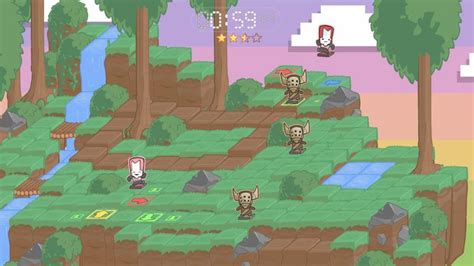
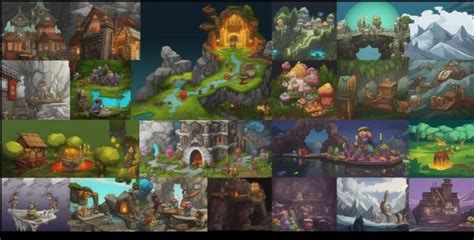
Visual style is often the first thing that hooks potential players and media alike. A unique, cohesive, and aesthetically pleasing art direction—be it pixel art, hand-drawn, minimalist, or hyper-stylized 3D—can make a game instantly recognizable. It doesn’t have to be technically groundbreaking, but it must be distinct.
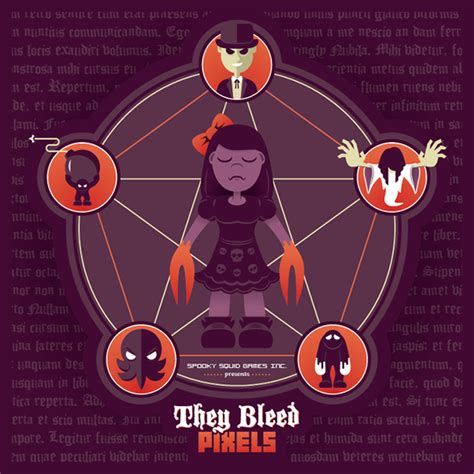
Similarly, exceptional sound design and a memorable soundtrack elevate the experience. Music and ambient sounds can reinforce the mood, define the world, and create emotional resonance, leaving a lasting impression long after the game is finished.
The Human Touch: Developer Story and Community Engagement
In the indie space, the developers themselves often become part of the story. A compelling developer journey—whether it’s a solo passion project, a team overcoming adversity, or a unique philosophy behind their work—adds a layer of humanity that resonates with audiences. People love to root for the underdog or be inspired by creative passion.

Active and transparent community engagement is also crucial. Developers who interact with their players, listen to feedback, and share their development process foster loyalty and generate organic buzz. This grassroots enthusiasm can be a powerful amplifier for media attention.
Polish, Presentation, and Performance
Even the most brilliant concept can fall flat without meticulous execution. A game that is technically polished, stable, and bug-free demonstrates respect for both the players and the craft. While early access can be a path, a strong launch build is vital for initial media impressions.
Crucially, how you present your game to the media matters immensely. A professional press kit, a compelling trailer, high-quality screenshots, and a concise elevator pitch are non-negotiable. Make it easy for journalists and content creators to understand your game’s appeal and share it with their audience.

The Unquantifiable ‘X-Factor’: Emotional Resonance and Timeliness
Sometimes, a game just has that inexplicable ‘spark.’ It might be its ability to evoke strong emotions, whether joy, dread, nostalgia, or profound thought. Games that leave a lasting emotional impact are often those that stick with players and critics alike.
Additionally, a game that taps into current cultural trends, social commentary, or a timely aesthetic can find itself amplified by broader conversations. While chasing trends can be risky, genuine relevance can greatly boost visibility.
Conclusion
Ultimately, earning ‘Spotlight’ coverage for an indie game is a multifaceted challenge. It requires a potent combination of undeniable originality, creative execution, a compelling developer narrative, strategic presentation, and often, that elusive spark of emotional or cultural resonance. By focusing on these core elements, indie developers significantly increase their chances of breaking through the noise and captivating the gaming world’s attention.