What specific game aspects or pitch details grab attention for an Indie Spotlight?
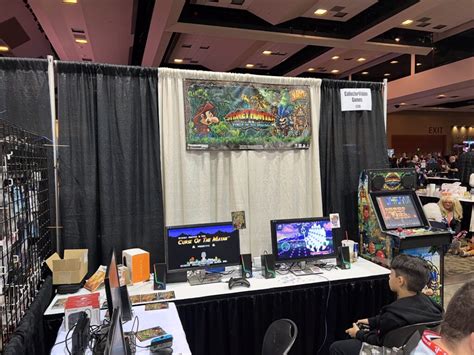
In the vast ocean of video games released annually, indie titles face the monumental challenge of standing out. An ‘Indie Spotlight’ feature can be a game-changer, providing much-needed visibility and drawing new players. But what exactly catches the eye of journalists, content creators, or platform curators? It boils down to a combination of exceptional game qualities and a meticulously crafted pitch that communicates those qualities effectively.
The Power of a Unique Core Concept
At the heart of every memorable indie game is often a distinct idea or a fresh take on an established genre. Whether it’s an innovative gameplay mechanic, a genre-bending fusion, or a twist on a classic narrative trope, originality is paramount. Developers who can articulate their game’s ‘hook’ – that one thing that makes it undeniably different and intriguing – instantly capture attention. This isn’t just about being new for novelty’s sake, but about offering a genuinely engaging and novel experience that makes players think, ‘I haven’t seen that before!’

Striking Visual Identity and Art Style
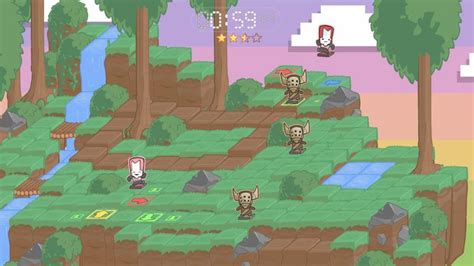
First impressions are often visual. A distinctive and cohesive art style can be an immediate attention-grabber. This doesn’t necessarily mean high-fidelity graphics, but rather a clear artistic vision, whether it’s pixel art, hand-drawn aesthetics, a unique 3D rendering style, or a particular color palette that sets the mood. A strong visual identity communicates the game’s personality and theme before a single line of text is read, making it instantly recognizable and shareable.
Compelling Story or Rich World-Building
Beyond mechanics and visuals, a captivating narrative or a deeply imagined world can hook players and spotlight providers alike. Games that tell poignant stories, explore complex themes, or immerse players in meticulously crafted lore often resonate deeply. A game’s ability to evoke emotion or curiosity through its universe provides a strong anchor for editorial features and player engagement.

A Polished Gameplay Demo or Vertical Slice
No amount of eloquent description can replace the experience of playing a game. A well-crafted, stable, and representative gameplay demo (or vertical slice) is crucial. This demo should highlight the core mechanics, showcase the unique selling points, and give a clear sense of the game’s overall quality and potential. It demonstrates not just ideas, but execution, showing that the developers can deliver on their vision.
Developer Passion and Personal Story
The human element behind an indie game can be incredibly compelling. Sharing the developer’s journey, the inspiration behind the game, or the challenges overcome adds a layer of authenticity and relatability. Many ‘Indie Spotlights’ appreciate the personal touch, featuring the creators as much as their creation. A passionate developer who can articulate their vision and dedication is often as engaging as the game itself.

A Clear and Concise Pitch
Even the most brilliant game needs a brilliant pitch. This includes a compelling elevator pitch (2-3 sentences), a concise press kit, and an email that gets straight to the point. The pitch should clearly state: what the game is, what makes it unique, who it’s for, and why it’s newsworthy. Avoid jargon and focus on clarity and impact. A strong pitch respects the time of the recipient and makes it easy for them to understand the game’s value proposition.
Understanding Your Targeted Audience and Niche Appeal
Demonstrating that you know your game’s place in the market can be very attractive. Is it for fans of roguelikes who enjoy deep lore? Or casual players seeking a relaxing puzzle experience? Highlighting the specific audience and the unique niche your game fills shows strategic thinking and a clear vision. It helps outlets understand who to recommend the game to and why it will resonate with that group.
Early Buzz and Community Engagement
Evidence of existing interest and a growing community is a powerful signal. Whether it’s a successful Kickstarter, a thriving Discord server, strong wishlists on Steam, or positive feedback from early access players or testers, social proof indicates that the game already has an audience and is generating excitement. This reduces the risk for outlets looking to feature titles that will genuinely interest their readers.
Conclusion: Crafting Your Spotlight Moment
Ultimately, standing out for an Indie Spotlight requires more than just a good game; it demands a strategic approach to presentation and communication. By focusing on a unique core concept, a striking visual identity, compelling narrative, a polished demo, and a clear, passionate pitch, indie developers can significantly increase their chances of capturing the attention they need. It’s about telling a compelling story – both about the game and the journey behind it – that resonates with those looking for the next big indie hit.