What specific game traits ensure an indie title gets a gaming spotlight?

In the vast, ever-expanding universe of video games, the independent scene is a vibrant nebula, constantly birthing new stars. Yet, for every celestial body that captures the gaming world’s attention, hundreds remain in relative obscurity. So, what specific game traits act as a gravitational pull, drawing players, critics, and streamers to shine a spotlight on an indie title?
The Power of Innovation and Unique Mechanics
At the heart of many breakout indie successes lies a fundamental reimagining of gameplay. Generic mechanics, no matter how polished, rarely cut through the noise. Games that introduce novel systems, blend genres in unexpected ways, or put a fresh spin on tired tropes are inherently more memorable. Think of the time-bending puzzles of Braid, the narrative choices of Disco Elysium, or the loop-based survival of Hades. These titles didn’t just tell stories; they innovated how we interact with them, creating experiences that feel genuinely new.
Developers who aren’t afraid to experiment with core gameplay loops, offer unprecedented player agency, or challenge established conventions often find themselves at the forefront of industry discourse. This isn’t just about complexity; sometimes, elegant simplicity in a new context can be the most revolutionary.
Distinctive Art Style and Immersive Sound Design
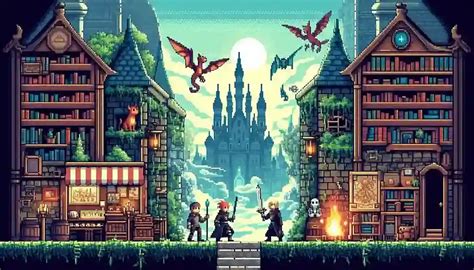
In a world saturated with hyper-realistic graphics, an indie game’s visual identity becomes a powerful calling card. Whether it’s the hand-drawn beauty of Cuphead, the pixelated charm of Stardew Valley, or the minimalist dread of Limbo, a unique and consistent art style can instantly differentiate a game. It’s not about being ‘better’ graphically, but about being distinct and evocative.
Complementing striking visuals is compelling sound design. A memorable soundtrack, impactful sound effects, and atmospheric audio cues can deepen immersion, enhance emotional resonance, and even become iconic elements in their own right. The combination of visual and auditory artistry creates a cohesive, unforgettable aesthetic that lingers long after the game is turned off.

Engaging Narrative and Rich World-Building
While not every successful indie game is story-driven, those that excel often boast narratives that resonate deeply or worlds that beg to be explored. Whether it’s a poignant personal story, a sprawling mystery, or lore woven intricately into every environmental detail, a strong narrative backbone or a captivating setting can hook players. Games like Outer Wilds with its emergent storytelling or Undertale with its heartfelt characters demonstrate how narrative depth can create a powerful, lasting connection.
Polished Gameplay and Player Experience
Even the most innovative concepts or beautiful aesthetics can fall flat without a solid foundation of polished gameplay. Bugs, clunky controls, or unintuitive interfaces are immediate turn-offs. A successful indie title respects the player’s time and intelligence, offering intuitive controls, clear objectives, satisfying feedback loops, and a relatively bug-free experience. This commitment to quality ensures that players can fully engage with the game’s unique aspects without frustration, fostering a sense of trust and enjoyment.

Strategic Community Engagement and Marketing
Beyond the game itself, the development team’s approach to its community and marketing plays a crucial role. Transparency through dev blogs, active engagement on social media, listening to early access feedback, and participating in gaming events can build a passionate fanbase even before launch. Games like Minecraft and Factorio owe much of their initial success to their commitment to community-driven development and open communication.
Effective communication and a genuine connection with potential players can transform a good game into a beloved one, ensuring word-of-mouth spreads like wildfire. Understanding the market and positioning the game effectively, without overpromising, is a subtle but vital trait.

The Elusive “X-Factor” and Streamer Appeal
Sometimes, a game possesses an intangible “X-factor” – something that makes it inherently shareable, streamable, or prone to viral moments. This could be a quirky humor, unexpected twists, or mechanics that are simply fun to watch others play. Games like Among Us or Fall Guys perfectly illustrate how being ‘streamer-friendly’ can exponentially amplify a game’s reach, turning niche titles into global phenomena. This often ties into the game’s unique mechanics or its potential for emergent, unscripted fun.
Ultimately, securing a gaming spotlight for an indie title is rarely about a single trait, but rather a potent cocktail of several. It’s the fusion of genuine innovation, distinctive artistic vision, robust execution, a compelling world, and smart community cultivation that elevates a game from a hidden gem to a shining star in the indie firmament. Passion, persistence, and a dash of luck always help, but these core traits provide the strongest foundation for success.