What specific info helps indie devs get their game into an Indie Spotlight & boost visibility?
Beyond the Algorithm: Capturing Attention for Your Indie Game
In the crowded landscape of independent game development, merely releasing a great game isn’t always enough to guarantee visibility. To stand out and truly capture the attention of curators, platforms, and media for an ‘Indie Spotlight,’ developers need to go beyond surface-level information. It’s about presenting a compelling narrative, backed by concrete details, that highlights your game’s unique appeal and your team’s passion.
Crafting Your Game’s Unique Narrative and Core Identity
The first and most critical piece of information is a crystal-clear understanding and articulation of your game’s identity. This isn’t just about genre; it’s about its soul.
1. The Core Game Concept & Unique Selling Proposition (USP)
- Concise Pitch: Can you describe your game in one or two sentences? This elevator pitch should immediately convey the genre, core mechanics, and what makes it special.
- Innovation and Twist: What unique mechanics, narrative choices, or artistic style differentiate your game from others in its genre? Curators are always looking for fresh perspectives.
- Target Audience: Who is this game for? Demonstrating you understand your audience helps curators envision where your game fits.
2. The Development Story: Passion, Process, and Persistence
People connect with stories. Sharing aspects of your development journey can add significant emotional weight and authenticity.
- Team & Vision: Who are you? What inspired this project? Highlighting a compelling personal story, a unique team dynamic, or overcoming specific development challenges can be very engaging.
- Key Milestones & Achievements: Have you won any awards? Been featured in smaller showcases? Received positive feedback from early playtesters or community builds? Quantifiable achievements add credibility.
Visuals That Speak Volumes: First Impressions Matter
Before anyone reads a word, they’ll see your game. High-quality visual assets are non-negotiable.
1. The Power of a Great Trailer
Your game’s trailer is its most potent marketing tool. It needs to be short, punchy, and representative.
- Gameplay Focus: Showcase actual gameplay, not just cinematics. The trailer should clearly communicate what it feels like to play your game.
- Pacing & Music: A well-edited trailer with fitting music can elevate the experience. Build tension, excitement, and resolve.
- Call to Action/Key Info: Include your game’s title, developer, and release window/platforms clearly at the end.
2. Striking Screenshots & Consistent Art Style
Static images are vital for conveying mood, art direction, and key gameplay moments.
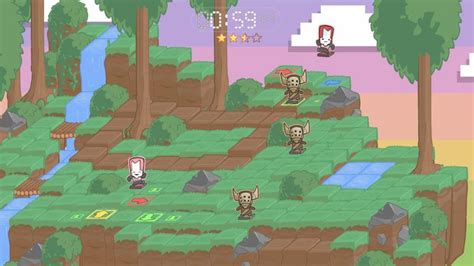
- High Resolution & Diversity: Provide a variety of screenshots showcasing different environments, characters, and gameplay scenarios, all in high resolution.
- Art Style Explanation: If your art style is particularly unique or significant, provide a brief explanation of its inspiration or how it enhances the gameplay/narrative.
The Essential Press Kit: Your Professional Calling Card
A well-organized, comprehensive press kit makes it easy for curators and journalists to cover your game.
1. What to Include
- Game Synopsis: A 1-2 paragraph summary of the game.
- Fact Sheet: Key information (genre, platform, release date, price, developer, publisher, features, contact).
- Developer Bio(s): Short bios of the key team members.
- Key Art & Logos: High-res versions of your game’s logo, box art, and promotional artwork.
- Screenshots & Trailer: Downloadable links to high-quality images and your trailer.
- Press Quotes/Awards: Any notable accolades or positive feedback.
- Contact Information: Clear and responsive contact details.
2. Accessibility and Organization
Host your press kit on a dedicated page on your website or a cloud storage service, ensuring all assets are easily downloadable and clearly labeled.
Demonstrating Traction and Community Engagement
Evidence that your game is already resonating with players can be a huge differentiator.
- Wishlist Numbers: If your game is on Steam or other platforms, impressive wishlist numbers indicate significant player interest.
- Community Presence: Highlight your activity on social media (Twitter, Discord, TikTok), follower counts, and engagement rates. Show that you’re building a community around your game.
- Demo Performance: If you’ve released a demo, share data on downloads, playtime, and player feedback.
- Previous Coverage: Mention any previous articles, videos, or streams by notable influencers or publications.

The Pitch Itself: Conciseness and Clarity
When you finally send that email or submit your game, the pitch itself needs to be impeccable.
- Personalized Approach: Address the curator by name and demonstrate you understand their platform or publication’s focus.
- Brevity: Get to the point quickly. Curators are busy, so respect their time with a compelling, concise pitch that includes a link to your press kit and ideally a private build or demo.
- Respectful Follow-Up: A polite follow-up after a reasonable time is acceptable, but avoid spamming.
Conclusion
Getting your game into an Indie Spotlight requires more than just a good game; it demands strategic communication and a comprehensive presentation of your project. By providing clear, compelling, and accessible information about your game’s concept, visuals, development journey, and existing traction, you significantly increase your chances of cutting through the noise and shining brightly in the indie game world.