What specific mental strategies do top esports pros use to overcome tilt & maintain focus?

The Unseen Battle: Mental Fortitude in Esports
In the high-stakes world of professional esports, raw mechanical skill is only one piece of the puzzle. The true differentiator among the elite often lies in their mental game—the ability to overcome ’tilt’ (a state of frustration or anger leading to poor play) and maintain unwavering focus amidst intense pressure. This unseen battle for mental fortitude is meticulously trained and honed, utilizing specific psychological strategies that rival those found in traditional sports.
Pre-Game Rituals and Mindset Setting
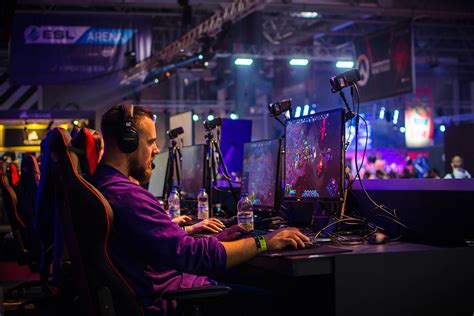
Before a single key is pressed, top pros engage in routines designed to mentally prepare them for the challenges ahead. This isn’t just about warming up physically; it’s about entering a peak performance state. Many use visualization techniques, mentally rehearsing successful plays, clutch moments, and even how they’ll react to potential setbacks. Others engage in mindfulness exercises or meditation to clear their minds, reduce anxiety, and set a positive, determined intention. Some have specific music playlists, breathing exercises, or even simple stretches that signal to their brain: it’s game time.
In-Game Resilience: The Art of the ‘Mental Reset’
Mistakes are inevitable in esports. What separates the best is their ability to ‘mental reset’ almost instantly. When a play goes wrong, a teammate makes an error, or the opponent gains a significant advantage, tilt can quickly set in. Pros combat this with:
- Immediate Self-Correction: Acknowledge the mistake, learn from it quickly, and move on. Dwelling on it wastes valuable mental energy.
- Positive Self-Talk: Replacing negative thoughts like “I’m terrible” with constructive ones such as “Okay, I messed up, what’s next? I can still make a difference.”
- Compartmentalization: Mentally isolating the bad play or bad round, treating each subsequent moment as a fresh start, independent of what just happened.
- Trigger Words/Actions: Some players have a personal trigger—a quick glance away from the screen, a deep breath, or a specific word—to signal a mental reset to themselves.

Sustaining Laser Focus Under Pressure
Maintaining focus for hours, often in chaotic team fights or crucial clutch scenarios, requires deliberate practice. Pros employ several techniques:
- Controlled Breathing: Deep, slow breaths can regulate heart rate and calm the nervous system, preventing tunnel vision or panic.
- Present Moment Awareness: Actively bringing their attention back to the current game state, rather than getting distracted by past mistakes or future outcomes.
- Minimizing External Distractions: While gaming setups help, the mental effort to block out crowd noise, team chatter (unless relevant), or personal anxieties is key.
- Goal-Oriented Thinking: Instead of focusing on winning the entire game, breaking it down into smaller, achievable objectives (e.g., “win this next skirmish,” “secure this objective”) helps maintain manageable focus.
Post-Match Analysis and Emotional Processing
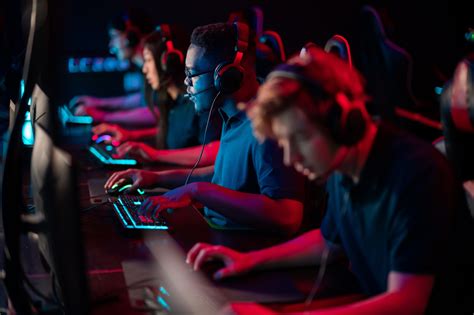
The mental game doesn’t end with the final score. After a match, whether a win or a loss, top pros engage in structured review. This includes:
- Objective Debriefing: Analyzing gameplay VODs to identify specific errors and successes, separating performance from emotion.
- Emotional Regulation: Allowing for a period of emotional release (if needed) but then intentionally shifting to a constructive, learning mindset. This prevents residual tilt from impacting future sessions.
- Seeking Feedback: Discussing performance with coaches and teammates to gain external perspectives and reinforce positive behaviors.
The Role of Team Dynamics and Communication
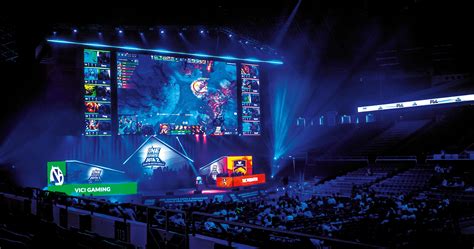
For team-based esports, mental strategies extend beyond the individual. Effective communication is a powerful tool to prevent and overcome tilt. Pros learn to:
- Communicate Positively: Offering encouragement and constructive criticism, rather than blame.
- Share the Mental Load: When one player is struggling, teammates step up to provide support, callouts, or even just a reassuring word.
- Develop Shared Mental Models: Understanding how teammates think and react allows for better anticipation and mutual support, reducing frustration when things go awry.
Conclusion: A Holistic Approach to Mental Mastery
Ultimately, the mental strategies employed by top esports pros are not isolated techniques but a holistic framework for peak performance. They combine proactive preparation, reactive resilience, sustained focus, and collaborative support. By treating their minds as critically as their mechanics, these athletes elevate their game, turning potential setbacks into opportunities for growth and consistently performing at the highest level even when the stakes are at their absolute highest.