What specific training routines boost aim consistency in competitive FPS games?
The Crucial Role of Aim Consistency in FPS Esports
In the high-stakes world of competitive First-Person Shooter (FPS) games, precise and consistent aim is not just an advantage—it’s a prerequisite for success. While game sense, strategy, and team communication are vital, the ability to reliably hit your shots under pressure often dictates the outcome of critical engagements. Developing this consistency requires more than just playing the game; it demands structured, targeted training routines designed to hone various aspects of aiming.
Building the Foundation: Core Aim Mechanics
Before diving into specific drills, it’s essential to understand the fundamental components of aim. These typically include:
- Tracking: Maintaining your crosshair on a moving target.
- Flicking/Snapping: Quickly moving your crosshair from a starting point to a target and clicking.
- Click-Timing: Precisely clicking on a stationary or slow-moving target at the exact moment.
- Target Switching: Rapidly acquiring and engaging multiple targets.
Crosshair Placement & Movement Integration
Beyond raw mouse control, superior aim consistency begins with excellent crosshair placement. This involves pre-aiming at common enemy positions and headshot levels, minimizing the distance your mouse needs to travel to acquire a target. Integrating movement (strafing, peeking) with your aim is equally critical, as it allows you to refine your micro-adjustments and engage opponents while simultaneously making yourself harder to hit.
Dedicated Aim Trainers: Your Virtual Shooting Range
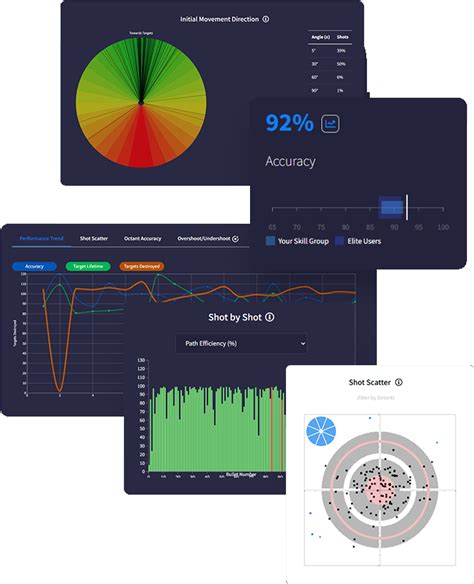
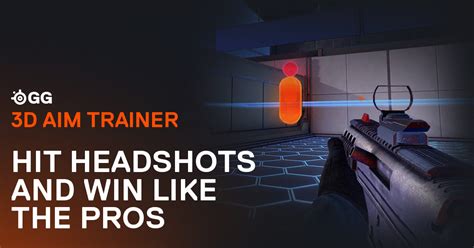
Specialized aim trainers like KovaaK’s FPS Aim Trainer or Aim Lab offer unparalleled opportunities to isolate and improve specific aiming skills. These platforms provide thousands of customizable scenarios designed to target every facet of your aim.
Specific Drills for Targeted Improvement
A well-rounded aim training routine in these tools often includes:
- Tracking Scenarios: Drills like ‘Sphere Track,’ ‘Popcorn,’ or ‘Pinch Tunnel’ challenge your ability to follow unpredictable movements, improving smoothness and prediction.
- Flicking/Click-Timing Scenarios: ‘Tile Frenzy,’ ‘1wall 6targets,’ or ‘PatTS’ enhance speed, precision, and reaction time for quick target acquisition.
- Target Switching Scenarios: ‘Bounce 180’ or ‘Air Dot’ help in rapidly transitioning between multiple threats, crucial for clutch moments.
Regular practice (20-30 minutes daily) with a varied selection of these drills can dramatically improve muscle memory and reaction speed.
In-Game Practice: Translating Skills to the Battlefield
While aim trainers build foundational mechanics, translating these skills to the dynamic and unpredictable environment of an actual game is paramount. In-game practice bridges this gap.
Deathmatch and Custom Map Routines
Frequent Deathmatch (DM) sessions are invaluable. They provide constant engagements, allowing you to practice flicking, tracking, and crosshair placement against human opponents without the pressure of a full competitive match. For games like Counter-Strike 2 or Valorant, utilizing custom aim maps (e.g., Aim Botz, Aimb_CSGO) or range practice can help warm up and drill specific angles or movement patterns relevant to the game’s mechanics.
Beyond Raw Aim: Complementary Skills for Consistency
Aim consistency isn’t solely about mouse control; it’s also influenced by mental and physical states.
Warm-up and Cool-down Routines
A proper warm-up routine (5-10 minutes of light aim trainer drills, then 10-15 minutes of in-game DM) prepares your mind and body for peak performance. A cool-down can involve reviewing a short clip or simply taking a break to prevent burnout.
VOD Review and Analysis
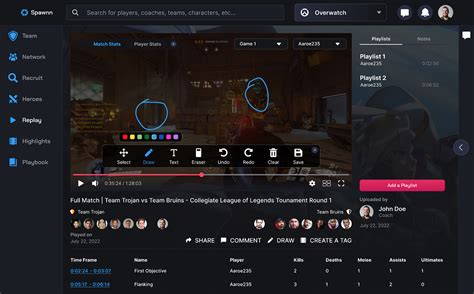
Reviewing your own gameplay (Video on Demand, or VOD review) is crucial. Pay attention to:
- Where your crosshair is positioned before engagements.
- Whether you are over-flicking or under-flicking.
- Your reaction time to unexpected threats.
- How your movement affects your aim.
Identifying patterns in your misses allows for targeted adjustments in your training.
Consistency is Key: Structuring Your Training
The most effective training routines are consistent and adaptive. Aim for daily, focused sessions rather than sporadic marathon practices. Keep a log of your scores in aim trainers to track progress and identify areas needing more attention. As you improve, don’t be afraid to increase difficulty or introduce new scenarios.
Tracking Progress and Adapting Routines
Utilize the statistics provided by aim trainers and reflect on your in-game performance. Are you still struggling with vertical tracking? Focus more on those specific scenarios. Are you missing initial flicks? Dedicate time to rapid target acquisition drills. Periodically reassess your weaknesses and adjust your routine accordingly.
Conclusion: The Path to Elite Aim
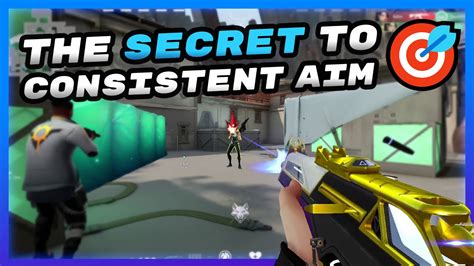
Boosting aim consistency in competitive FPS games is a journey that combines dedicated mechanical training, strategic in-game application, and critical self-analysis. By integrating aim trainer drills, regular Deathmatch, disciplined crosshair placement, and insightful VOD review into a consistent routine, players can develop the precise, reliable aim needed to excel at the highest levels of esports. Remember, consistency compounds over time, transforming diligent practice into dominant performance.