What specific training routines boost competitive game sense for aspiring esports pros?
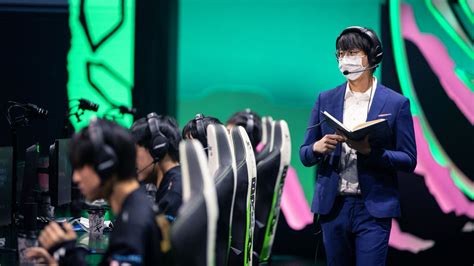
Game sense, often described as a player’s intuitive understanding of a game’s flow, strategy, and decision-making capabilities, is paramount for success in esports. It’s the difference between a good player and a great one, enabling pros to anticipate opponents, make optimal plays under pressure, and read the battlefield with uncanny accuracy. While some may consider it an innate talent, game sense is a skill that can be meticulously honed through specific, disciplined training routines.
The Cornerstone: In-Depth VOD Review and Self-Analysis
One of the most effective ways to cultivate game sense is through rigorous Video-On-Demand (VOD) review. This isn’t just watching your gameplay; it’s an analytical dissection. Pros should record all their competitive matches and dedicate significant time to reviewing them, not just for mechanical mistakes, but for strategic and decision-making errors.
- Identify Decision Points: Pause at critical moments where multiple actions were possible. Analyze why a particular decision was made and what the alternatives were. Could a different choice have led to a better outcome?
- Opponent Analysis: Study enemy patterns, common rotations, ability usage, and preferred engagements. Look for tells or habits that can be exploited.
- Map Awareness Check: During review, mentally pause and ask: “What information did I have at this exact moment? Where were my teammates? Where were the enemies?” This helps in understanding information processing gaps.
- Team Synergy Evaluation: If part of a team, review teamfights and objective plays to assess communication effectiveness, role execution, and collective decision-making.
Targeted Scrims and Scenario-Based Drills
General matchmaking offers limited opportunities for focused learning. Aspiring pros need structured practice environments. Targeted scrims and custom drills are essential for refining specific aspects of game sense.
- Role-Specific Scenarios: Create custom game scenarios that force players into challenging situations relevant to their role. For a support player, this might be practicing peeling under specific threat conditions. For a duelist, it could be isolated 1vX clutch scenarios.
- Objective Control Drills: Practice taking and defending key map objectives with varying team compositions and tactical approaches. Focus on timing, positioning, and resource management during these engagements.
- Early Game & Late Game Simulation: Run scrims specifically to practice optimal early-game setups or complex late-game rotations and win conditions.

Prediction and Information Processing Exercises
Superior game sense often boils down to excellent prediction and rapid information processing. Training these aspects can significantly elevate a player’s understanding of the game.
- Minimap Drills: Consciously practice scanning the minimap at regular intervals and interpreting the information presented. Try to predict enemy movements based on what’s visible (or absent) on the map.
- Sound Cue Recognition: In games with rich audio, actively listen for specific sound cues that indicate enemy positions, ability usage, or impending actions. Practice reacting to these sounds before visual confirmation.
- ‘What If’ Scenarios: During downtime or loading screens, mentally run through ‘what if’ scenarios. “If the enemy pushes here, what’s my best counterplay?” “If I use this ability now, what are the potential repercussions?”
Communication and Team Synergy Training
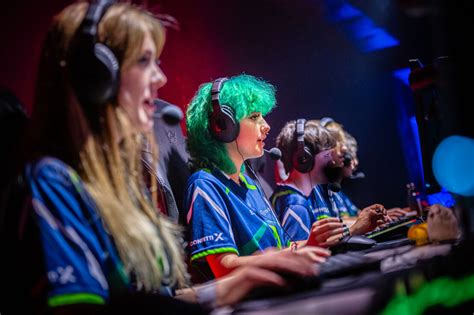
In team-based esports, individual game sense is amplified or hindered by team communication and synergy. Training these aspects is crucial for collective game sense.
- Structured Callouts: Develop and consistently use precise, concise callouts for enemy positions, ability cooldowns, and intentions. Practice making these calls under pressure.
- Shot-Calling Practice: If you are a shot-caller, practice making rapid, clear strategic decisions based on incoming information. If you’re not, practice listening and executing calls without hesitation.
- Post-Match Debriefs: Beyond VOD review, engage in open team discussions after every match (win or loss) to analyze collective decisions, communication breakdowns, and strategic missteps.
Mental Fortitude and Adaptability Drills
Game sense isn’t static; it requires adaptability. Training your mind to stay calm and make sound decisions under pressure is key.
- Pressure Simulations: Intentionally put yourself in high-pressure situations during practice. Play ranked games with the sole focus of maintaining composure regardless of the score.
- Loss Condition Training: Practice playing from a disadvantage. How do you adapt your strategy when behind? Can you identify small win conditions or comeback mechanics?
- Mindfulness and Focus Exercises: Techniques like meditation can improve focus, reduce tilt, and help maintain a clear head, all of which contribute to better game sense and decision-making.
Boosting competitive game sense for aspiring esports pros is a marathon, not a sprint. It requires a multifaceted approach that combines deep analytical review, targeted practice, mental conditioning, and effective team collaboration. By integrating these specific training routines consistently, players can transform their intuitive understanding into a formidable, consistent competitive advantage, paving their way to professional success.