What specific VOD review techniques maximize individual skill improvement for competitive gamers?
The Power of the Playback: Why VOD Review is Non-Negotiable
In the relentless world of competitive gaming, raw talent can only take a player so far. To truly ascend the ranks and consistently outperform opponents, dedicated practice must be supplemented by intelligent self-analysis. This is where Video On Demand (VOD) review becomes an indispensable tool. Far from merely re-watching gameplay, effective VOD review employs specific techniques designed to dissect performance, identify weaknesses, and forge a clear path to improvement. It transforms passive viewing into an active learning process, turning every match into a valuable lesson.
Pre-Review Preparation: Setting the Stage for Insight
Before diving into a VOD, establishing a clear objective is crucial. Avoid aimless watching; instead, ask yourself: What specifically do I want to improve today? Is it my laning phase, late-game decision-making, clutch mechanics, or specific ability usage? Having a focused question guides your review and prevents information overload.
Essential Setup:
- Select Relevant VODs: Don’t just pick your best games. Losses, close calls, and games where you felt particularly challenged often offer the most learning opportunities.
- Comfortable Environment: Minimize distractions. Treat your review session like a serious study period.
- Tools Ready: Have a notepad (physical or digital), pen, and a stopwatch/timestamping tool at hand.
Active Review Techniques: Dissecting Every Moment
This is where the magic happens. Passive viewing yields minimal results. True improvement comes from an active, critical approach.
1. Targeted Perspective Switching:
Initial watch-throughs can be done from your perspective. However, for deeper insight, switch perspectives:
- Your Own Perspective: Focus on your crosshair placement, movement, ability usage, and decision-making. Pause before key moments and ask: “What was I thinking here? What were my options?”
- Opponent’s Perspective: If available, watch from your opponent’s view. How did they react to your plays? What tells did you give away? How did they exploit your weaknesses?
- Team Perspective (if applicable): Understand how your individual actions impacted the broader team strategy and vice versa. Were you out of sync? Did you miss opportunities to support?

2. Slow Motion & Frame-by-Frame Analysis:
Many critical moments happen in a fraction of a second. Slow down playback to 0.5x or even 0.25x speed. This allows you to observe:
- Precise timings of ability casts or weapon shots.
- Subtle movement errors or positioning mistakes.
- Information you missed in real-time.
Go frame-by-frame on crucial engagements or decision points. What was the exact moment you committed, or misplayed? What information was available to you at that precise frame?
3. The Power of Pausing & Questioning:
The pause button is your most potent weapon. Pause frequently, especially at:
- Decision Points: Before you make a crucial choice (e.g., engage, retreat, rotate), pause and list all possible options and their potential outcomes. Compare them to what you actually did.
- Mistake Identification: When you die, lose an objective, or make a clear error, pause immediately. Rewind a few seconds. What led to this? Was it a mechanical error, lack of information, or poor decision?
- Opponent Success: When an opponent outplays you, pause and analyze why. What did they do correctly? How can you counter that next time?
4. Meticulous Note-Taking and Timestamping:
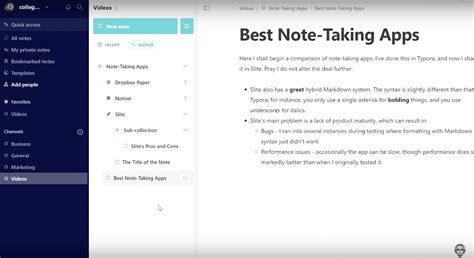
Don’t rely on memory. Every insight, every mistake, every missed opportunity should be logged. Use timestamps to quickly revisit specific moments.
- Categorize Findings: Group mistakes by type (e.g., “positioning error,” “mechanical miss,” “poor resource management,” “missed information”).
- Actionable Insights: For every mistake, formulate a specific, actionable takeaway. Instead of “I died,” write “At 12:34, I pushed without vision, leading to a gank. Next time, check mini-map/ward before pushing.”
- Identify Patterns: After reviewing several VODs, look for recurring mistakes. These are your biggest areas for improvement.
Post-Review Strategy: From Insight to Improvement
A VOD review is incomplete without a plan to implement your findings.
1. Prioritize and Create Actionable Goals:
You’ll likely find many areas for improvement. Don’t try to fix everything at once. Pick 1-3 high-priority, specific, measurable, achievable, relevant, and time-bound (SMART) goals for your next few practice sessions or games.
- Example: “For the next 5 games, I will focus on always placing a ward at mid-lane bush by 1:30” instead of “I need to ward more.”

2. Implement and Track Progress:
Actively focus on your chosen goals in live games. After each game, briefly reflect: Did I achieve my VOD review goal? Track your progress over time. Seeing tangible improvement reinforces the value of VOD review.
3. Comparative Analysis:
Periodically review a VOD of a professional player in your role or a previous VOD of your own. Compare their decision-making, movement, and resource management to yours. What are the key differences? This can highlight advanced techniques or concepts you hadn’t considered.

Conclusion: The Continuous Cycle of Mastery
Effective VOD review is not a one-time activity but a continuous cycle of analysis, goal-setting, implementation, and re-evaluation. By employing these specific techniques—from targeted self-analysis and slow-motion breakdowns to meticulous note-taking and actionable goal setting—competitive gamers can unlock their full potential. It’s the difference between merely playing the game and actively mastering it, transforming every match into a stepping stone towards elite-level performance.