



What strategies foster positive modding communities & combat toxicity?
Building Bridges, Not Walls: The Core of a Thriving Modding Community
Modding communities are vibrant hubs of creativity, innovation, and shared passion. They empower players to reshape their favorite games, extending their lifespan and enjoyment. However, like any online space, they are susceptible to negativity and toxicity, which can quickly erode morale and drive away valuable contributors. Cultivating a positive environment isn’t just about preventing bad behavior; it’s about actively fostering a culture of respect, collaboration, and mutual support. This requires a multi-faceted approach, blending proactive strategies with responsive moderation.

Clear Guidelines and Strong Leadership
The bedrock of any successful community is a well-defined set of rules and expectations. These guidelines must be clear, concise, and easily accessible, outlining what constitutes acceptable and unacceptable behavior. Beyond rules, strong leadership from mod developers, community managers, and platform administrators is crucial. Leaders must embody the values they wish to see in their community, actively participate, and be approachable. Their presence sets the tone and demonstrates commitment to a healthy environment.
Consistent enforcement of these rules is equally important. Inconsistency breeds resentment and undermines authority. While flexibility is sometimes necessary, core principles should remain steadfast. Transparency in moderation decisions, where appropriate, can also build trust, showing that actions are taken fairly and without bias.
Proactive Moderation and Conflict Resolution
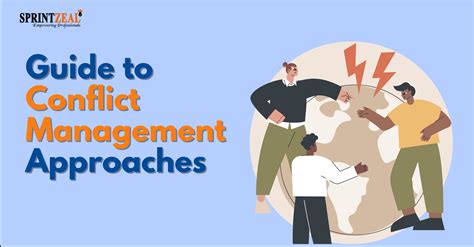
Effective moderation goes beyond simply reacting to rule-breaking. It involves proactive engagement, identifying potential issues before they escalate. This includes monitoring discussions, offering assistance, and mediating minor disagreements. When conflicts do arise, a structured conflict resolution process is vital. This might involve private messaging, temporary bans, or in severe cases, permanent removal. The goal is to de-escalate, educate, and protect the community.
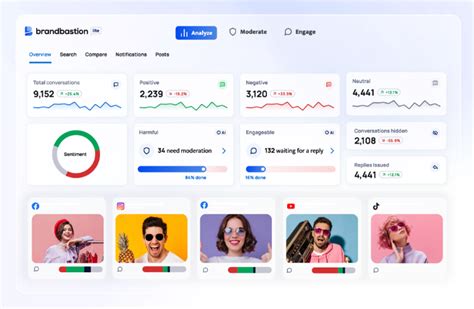
Empowering community members to report issues is also critical. An easy-to-use and clearly visible reporting system ensures that moderators are quickly alerted to problematic content or behavior. Users need to feel confident that their reports will be taken seriously and acted upon.
Fostering Engagement and Recognition
Positive communities thrive on active participation and a sense of belonging. Strategies to foster this include organizing community events, challenges, and contests. Highlighting exceptional modders and their creations through spotlights, interviews, or “mod of the week” features not only encourages quality work but also celebrates individual contributions, reinforcing a culture of appreciation.
Creating dedicated channels for constructive feedback, collaboration, and even off-topic discussion can also build stronger bonds. When members feel heard and valued, they are more likely to invest positively in the community’s success and less likely to engage in disruptive behavior.

Educating and Empowering Users
Sometimes, toxicity stems from misunderstanding or lack of awareness. Educating users on netiquette, the impact of their words, and the shared responsibility of maintaining a positive space can be highly effective. Providing resources for new modders, offering technical support, and clearly outlining contribution guidelines can reduce frustration and foster a more collaborative atmosphere.
Empowering trusted community members to act as ‘community helpers’ or ‘mentors’ can also distribute the burden of support and provide peer-to-peer guidance, strengthening the community’s internal support network.
Adapting and Evolving
A modding community is a living entity, constantly evolving with new members, new mods, and new challenges. Strategies for fostering positivity must also adapt. Regular review of rules, moderation practices, and community feedback is essential. Openly discussing changes with the community, seeking their input, and demonstrating flexibility where appropriate shows respect and builds collective ownership.
Ultimately, creating and maintaining a positive modding community is an ongoing journey, not a destination. It requires vigilance, empathy, and a genuine commitment from all stakeholders to cultivate an environment where creativity flourishes, collaboration thrives, and every member feels respected and valued.