What strategies prevent toxicity in gaming mod communities without stifling feedback?

Navigating the Delicate Balance: Moderation and Open Dialogue
Gaming mod communities are vibrant hubs of creativity, collaboration, and passion. They extend the life and possibilities of our favorite games, often introducing features and content far beyond what developers initially envisioned. However, like any online community, they are susceptible to toxicity. The challenge lies in cultivating an environment free from harassment, personal attacks, and unconstructive negativity, without simultaneously shutting down legitimate criticism, creative disagreements, or vital bug reports – essential components of any thriving modding scene. Achieving this delicate balance requires a multi-faceted, proactive, and transparent approach.
Establishing Clear and Visible Community Guidelines
The foundation of any healthy community is a well-defined and easily accessible set of rules. A comprehensive Code of Conduct should clearly articulate what constitutes acceptable and unacceptable behavior. This isn’t just about listing prohibitions; it’s about setting a positive tone and defining the community’s values. These guidelines must be prominently displayed – on community forums, Discord servers, mod pages, and any other relevant platforms – ensuring new and existing members alike are aware of them. Regular reminders and perhaps even a ‘community ethos’ statement can reinforce these values.
Beyond broad rules, specific expectations for feedback should be outlined. Encourage constructive criticism by suggesting how to phrase bug reports, feature requests, or general opinions respectfully and effectively. For instance, instead of “This mod sucks!”, guide users towards “I encountered an issue where X happened when I did Y. Could this be a bug?”
Empowering and Supporting Community Moderators
Moderators are the frontline defense against toxicity and the facilitators of constructive dialogue. They need robust tools, clear protocols, and ongoing support. This includes providing them with guidelines on how to handle various situations, from simple warnings to temporary bans, and when to escalate issues. Crucially, moderators should also be trained on how to distinguish between genuine, albeit critical, feedback and outright toxic behavior. Establishing a transparent reporting system allows users to flag problematic content, and moderators should strive for consistency in applying rules to build trust within the community.
Creating Dedicated Channels for Constructive Feedback
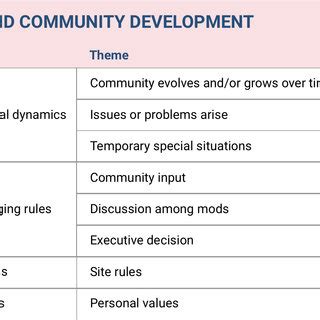
One common reason feedback can turn toxic is a lack of proper channels. When users feel their voices aren’t being heard, frustration can boil over into unproductive rants. Combat this by creating specific, well-managed spaces for different types of feedback:
- Bug Report Forms/Threads: Structured templates that guide users to provide necessary information (reproduction steps, game version, mod version, error logs).
- Feature Request Boards: Allowing users to suggest and vote on new ideas, giving mod authors insight into community desires.
- General Discussion Forums: For broader conversations, but still with moderation oversight.
- Private Feedback Options: An anonymous or direct message option for sensitive issues or concerns about moderator behavior.
Transparent Moderation and Conflict Resolution
When moderation actions are taken, transparency (where appropriate) can significantly reduce resentment and build trust. This doesn’t mean airing all dirty laundry, but acknowledging that action was taken and, when possible, explaining the basis for it (e.g., “This comment was removed for violating rule X regarding personal attacks”). Offering an appeal process for moderation decisions further demonstrates fairness and a willingness to listen, even to those who have broken rules.
For escalating conflicts, having a defined conflict resolution process can de-escalate tensions. This might involve a ‘cooling-off’ period, mediation by a senior moderator or community leader, or private discussions to understand grievances and find common ground. The goal is to resolve issues before they fester and spread toxicity.
Fostering a Culture of Appreciation and Positive Reinforcement
While prevention and reactive measures are vital, actively nurturing a positive community culture is equally important. Celebrate mod authors’ achievements, highlight helpful community members, and encourage constructive engagement. Regular showcases of new mods, ‘modder interviews,’ or community-driven events can foster a sense of shared purpose and camaraderie. Positive reinforcement for respectful interactions and helpful feedback encourages more of the same, creating a self-sustaining cycle of good behavior. Leaders and senior members should consistently model the desired behavior, setting the tone for the entire community.

Conclusion: A Continuous Effort for Healthy Growth
Preventing toxicity in gaming mod communities while preserving essential feedback is an ongoing process, not a one-time fix. It requires a commitment to clear communication, consistent moderation, dedicated feedback channels, and a proactive approach to community building. By prioritizing both safety and voice, mod communities can continue to flourish as innovative, welcoming spaces where creativity thrives and players feel truly connected and heard.