What tools & strategies help new modders navigate complex game files & community guidelines?
Decoding the Digital Maze: Tackling Complex Game Files
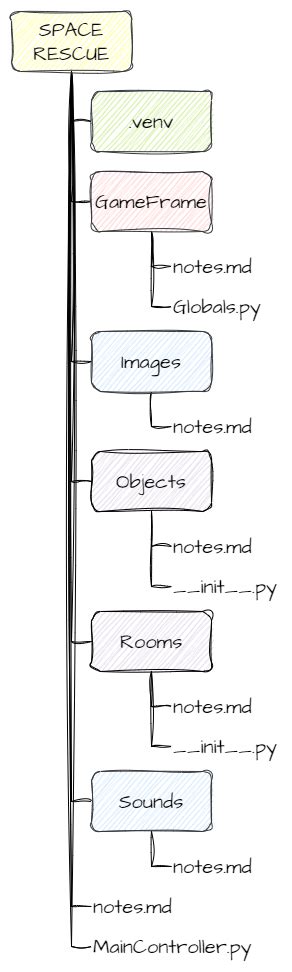
For aspiring game modders, the initial excitement of creating custom content can quickly turn into a challenge when faced with a game’s intricate file structure. Modern games are vast ecosystems of data, comprising assets, scripts, configurations, and more, often stored in proprietary formats. Understanding how these pieces fit together is the first hurdle in any modding journey.
The complexity stems from several factors: games aren’t designed to be easily modified, developers use various engines and file compression techniques, and documentation for modding can be scarce or outdated. However, with the right approach and a few key tools, this digital maze becomes much more navigable.
Essential Tools for File Exploration and Manipulation
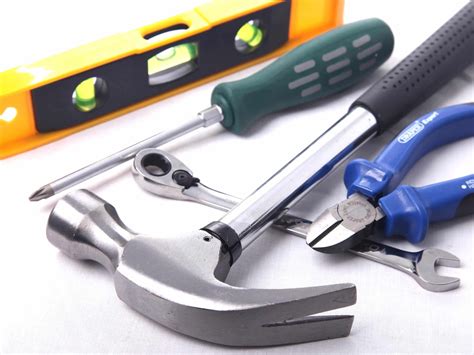
Before diving deep, equip yourself with the right toolkit. These general-purpose and game-specific utilities are indispensable:
- Text Editors (e.g., Notepad++, VS Code): Indispensable for editing plain text configuration files, script files, and various data formats. They offer syntax highlighting, code folding, and powerful search-and-replace functions.
- Hex Editors (e.g., HxD): For when files aren’t plain text. Hex editors allow you to view and modify the raw binary data of any file, useful for identifying patterns or making small, precise changes in proprietary formats.
- Asset Extractors/Packers: Many games have community-developed tools to extract game assets (models, textures, sounds) from their archive files (e.g., BSA/BA2 for Bethesda games, UModel for Unreal Engine). Conversely, packers help you compile your custom assets into a format the game can read.
- Game-Specific Editors (e.g., Creation Kit, SSEEdit, G.E.C.K.): These are often official or heavily-supported community tools designed to work directly with a game’s engine and data. They provide a high-level interface for creating quests, items, and world spaces, significantly simplifying complex tasks.
- Version Control Systems (e.g., Git/GitHub): Crucial for tracking changes, experimenting safely, and collaborating with others. It allows you to revert to previous versions if something goes wrong, saving countless headaches.

Strategic Approaches to Game File Navigation
Tools are only as good as the strategy behind them. Employ these tactics to make your file navigation more efficient:
- Start Small and Simple: Don’t try to overhaul the entire game at once. Begin with minor modifications, like changing a text string, altering a single item’s stats, or recoloring a texture. This builds confidence and understanding.
- Backup Everything: Before making any changes, *always* back up the original files. This golden rule ensures you can always revert to a working state if your mod breaks the game.
- Utilize Existing Documentation and Tutorials: Most popular moddable games have extensive community wikis, forum tutorials, and video guides. These resources often explain file structures, common modding practices, and tool usage.
- Ethical Reverse Engineering: Study how existing mods achieve their effects. Decompile (if legal and ethical) or simply observe how others have modified files. This can provide invaluable insights into the game’s inner workings.
- Learn Basic Scripting/Programming: Even a rudimentary understanding of scripting languages (like Python, Lua, or game-specific scripting languages) can open up vast possibilities for complex modifications and help you decipher game logic.
Navigating the Social Landscape: Understanding Community Guidelines
Modding isn’t just about code and assets; it’s also about community. Every modding hub, from Nexus Mods to Discord servers, has guidelines to ensure a respectful and productive environment. Ignoring these can lead to your work being removed or even a ban.
Key aspects of community guidelines typically include:
- Respecting Intellectual Property: Do not upload content you don’t have permission to use or modify. This includes assets from other games, copyrighted music, or other modders’ unique creations without explicit consent.
- Giving Proper Credit: If you use resources or ideas from another modder, always credit them clearly. This fosters good relationships and acknowledges the work of others.
- Content Restrictions: Be aware of what types of content are allowed (e.g., no hate speech, sexually explicit content unless specifically permitted and tagged, etc.). Each platform has its own rules regarding mature content.
- Constructive Communication: When seeking help or providing feedback, be polite and clear. Avoid inflammatory language or personal attacks.
- Adherence to Platform Rules: Each modding site or forum has a terms of service and specific rules for uploading, endorsing, and commenting on mods. Read them carefully.
Leveraging the Community for Support and Growth
The modding community is often your greatest asset. It’s a vast network of experienced creators, helpful troubleshooters, and enthusiastic players. Don’t hesitate to engage:
- Join Forums and Discord Servers: These are real-time hubs for discussion, problem-solving, and sharing. Many games have dedicated modding communities where you can ask questions and learn from others.
- Read and Contribute to Wikis: Community-driven wikis are treasure troves of information, often detailing file formats, common issues, and best practices.
- Seek Mentorship: If you find an experienced modder whose work you admire, consider reaching out (respectfully) for guidance. Many are willing to help newcomers.
- Share Your Work (Responsibly): Getting feedback on your creations, even small ones, can be incredibly motivating and provide valuable insights for improvement.

Conclusion: A Journey of Learning and Contribution
Navigating complex game files and community guidelines as a new modder is undeniably challenging, but it’s also a deeply rewarding journey. By arming yourself with the right tools, adopting smart strategies, and actively engaging with the vibrant modding community, you can transform daunting obstacles into exciting learning opportunities. Remember, every veteran modder started as a novice. Patience, persistence, and a willingness to learn are your most powerful assets in creating unique experiences for yourself and others.