





What’s key to writing concise, efficient gaming guides players actually use?
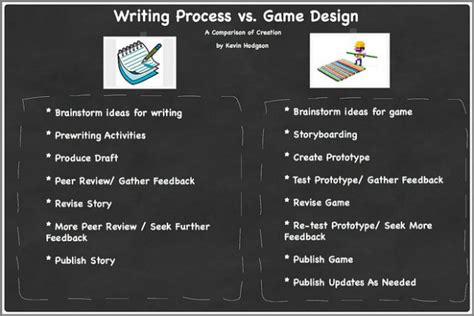
In the vast, ever-evolving landscape of modern video games, players frequently encounter challenges that prompt them to seek external help. From intricate boss mechanics and hidden collectibles to complex questlines and optimal character builds, the need for reliable guidance is constant. However, not all guides are created equal. Many drown the player in superfluous detail or are poorly organized, rendering them ineffective. The true challenge for guide writers lies in delivering information so efficiently and precisely that players immediately grasp and apply it.
The Player’s Perspective: What Do They Really Need?
The fundamental principle of an effective gaming guide is understanding the player’s immediate need. When a player seeks a guide, they’re typically stuck, confused, or looking to optimize. They aren’t usually seeking a literary masterpiece or a deep dive into game lore. They need a solution to a specific problem, and they need it *now*. Your guide should function as a quick-reference tool, not a comprehensive encyclopedia.
Consider the context: a player might be mid-combat, on a tight timer, or just frustrated. Their patience for sifting through irrelevant information is minimal. Every word, every sentence, and every section must contribute directly to solving their problem.

Brevity and Clarity: Cut the Fluff
The most critical aspect of an efficient guide is its brevity. Eliminate any details that don’t directly assist the player in overcoming their current hurdle. This means foregoing lengthy introductions, personal anecdotes, or excessive game lore unless it is absolutely integral to the solution. Get straight to the point.
Clarity goes hand-in-hand with brevity. Use simple, direct language. Avoid overly complex sentence structures or jargon where a simpler term will suffice. If technical terms are unavoidable, briefly explain them. The goal is to ensure the player understands the instructions without needing to reread them multiple times or consult another source for definitions.
Structure and Scannability: Easy to Digest
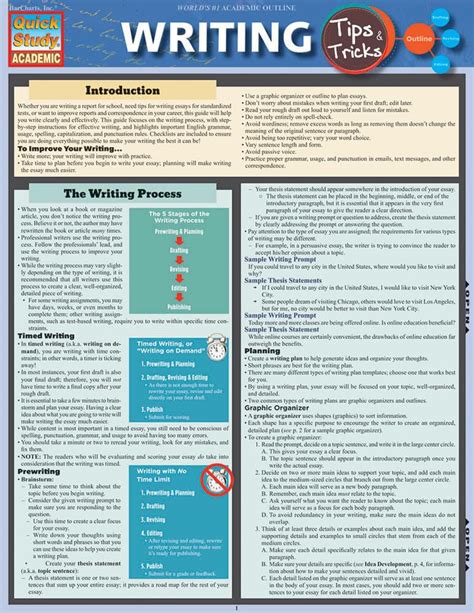
Even the most accurate and concise information is useless if it’s buried or hard to find. Effective guides are highly scannable. Utilize clear headings and subheadings (e.g., H2, H3) to break down the content into logical, digestible sections. Employ bullet points or numbered lists for steps, items, or options. Bold key terms, actions, or crucial warnings to draw the reader’s eye to vital information.
A player should be able to glance at your guide and quickly locate the exact piece of information they need. This means thinking about visual hierarchy and making intelligent use of white space to prevent information overload.
Accuracy and Specificity: Trustworthy Information
Outdated or incorrect information is not just unhelpful; it can actively mislead and frustrate players, eroding trust in your guide. Always double-check facts, numerical values, item names, character abilities, and quest steps. Game patches and updates can quickly render old information obsolete, so regular verification is essential.
Beyond accuracy, be specific. Instead of saying “go to the forest,” specify “navigate to the Whisperwood Forest, located north-east of Eldoria, at coordinates X:123 Y:456.” Provide exact item names, ability descriptions, and enemy weaknesses. Vague instructions lead to confusion and wasted time.

Actionable Steps and Visual Aids: Show, Don’t Just Tell
Finally, a guide must provide actionable steps. Break down complex tasks into a series of simple, sequential instructions. Instead of describing a boss fight in prose, list the phases and the player’s required actions for each. Use verbs that clearly indicate what the player needs to do.
While not explicitly part of written text, effective guides often integrate visual aids (screenshots, maps, short video clips). When writing, anticipate where a visual would be most helpful and craft your text to complement it, perhaps by describing a specific landmark or visual cue. Even without images, describing an action with clear, sequential steps acts as a mental ‘visual’ for the player.
Conclusion: The Ultimate Goal
Writing concise, efficient gaming guides that players actually use boils down to a deep empathy for the player’s experience. By prioritizing their immediate needs, eliminating extraneous detail, structuring information for easy digestion, ensuring absolute accuracy, and providing clear, actionable steps, you transform a mere collection of words into an indispensable tool. A truly effective guide doesn’t just inform; it empowers the player to overcome challenges and enjoy their game more fully, becoming a silent partner in their in-game victories.



