What’s the #1 GPU optimization for smoother game FPS?

Unlocking Smoother FPS: The Quest for Peak GPU Performance
Every gamer understands the frustration of choppy framerates. The desire for a smooth, immersive experience often leads to a deep dive into optimization guides, tweaking settings, and hoping for that magical boost. While countless tips and tricks exist, one fundamental optimization stands head and shoulders above the rest in its immediate and profound impact on game performance.
The Undisputed Champion: Adjusting In-Game Graphics Settings
Without a doubt, the single most effective GPU optimization for smoother game FPS is meticulously adjusting and lowering your in-game graphics settings. This isn’t just about turning everything down; it’s about understanding which settings demand the most from your GPU and finding the sweet spot between visual fidelity and performance.
Why In-Game Settings Matter Most
Your GPU’s primary job is to render the game world – calculating polygons, lighting, shadows, textures, and post-processing effects. Each graphic setting directly translates to a certain amount of computational work. By reducing these demands, you free up your GPU to render more frames per second. Unlike driver updates or background process management, which offer marginal gains, directly reducing the rendering workload provides the most significant performance uplift.
Prioritizing Key Settings for Maximum Impact
While every setting plays a role, some are far more taxing than others. Here’s where to focus your efforts for the biggest FPS gains:
- Resolution: This is by far the biggest FPS killer. Rendering a game at 4K requires four times the pixels of 1080p. Dropping from 4K to 1440p, or 1440p to 1080p, will yield massive performance increases. Consider using technologies like NVIDIA DLSS or AMD FSR if available, which render at a lower internal resolution and then upscale.
- Shadows: Realistic shadows are incredibly demanding. Reducing shadow quality, resolution, or even disabling them (if tolerable) can provide a substantial FPS boost.
- Anti-Aliasing (AA): Techniques like MSAA or TAA are designed to smooth jagged edges but come at a high performance cost. Experiment with lower AA settings or use post-processing AA like FXAA if available, which is less demanding.
- Volumetric Effects & Global Illumination: These add incredible realism but are often very intensive. Lowering their quality can recover precious frames.
- View Distance/Draw Distance: How far the game renders detailed objects can significantly impact performance, especially in open-world games.
- Texture Quality: While less impactful on FPS itself (more on VRAM usage), very high-resolution textures can occasionally bottleneck a GPU if VRAM is saturated.

The Trial-and-Error Approach to Optimization
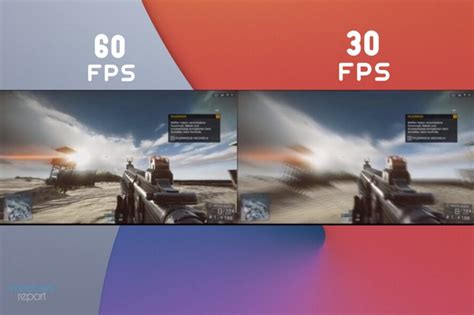
Optimizing isn’t a one-size-fits-all solution. Start by identifying your target FPS (e.g., 60 FPS, 144 FPS). Begin by making significant cuts to the most demanding settings (resolution, shadows, AA). Test the game, note the FPS, and then incrementally increase settings until you find the perfect balance between visual quality and your desired performance. Always monitor your FPS using an in-game overlay to see the immediate effect of each change.
Beyond In-Game Settings (Secondary Optimizations)
While the focus is on in-game settings, it’s worth a quick mention that other factors contribute to overall system health and can offer minor gains:
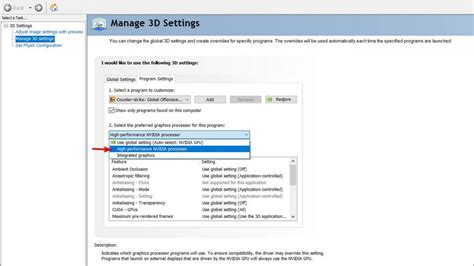
- Keep Drivers Updated: GPU drivers often include performance optimizations for new games.
- Close Background Applications: Free up CPU and RAM resources by shutting down unnecessary programs.
- Overclocking (Advanced): For experienced users, a stable GPU overclock can offer a few extra frames, but it’s not without risks.
- Ensure Proper Cooling: Prevent thermal throttling by keeping your GPU cool.
Conclusion: Empowering Your Gaming Experience
For most users, the quickest, safest, and most effective way to achieve smoother game FPS is by strategically adjusting in-game graphics settings. By understanding which settings tax your GPU the most and adopting a methodical approach to optimization, you can transform a stuttering mess into a fluid, enjoyable gaming experience without needing to immediately upgrade your hardware. Dive into those settings menus, experiment, and reclaim your framerates!