What’s the best budget GPU for 1080p high refresh rate gaming?
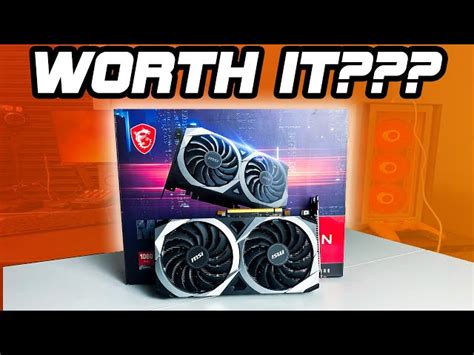
For many PC gamers, 1080p remains the sweet spot, offering a great visual experience without the hefty price tag of 4K monitors and ultra-high-end GPUs. However, achieving a high refresh rate (think 120Hz, 144Hz, or even 240Hz) at 1080p, especially in modern AAA titles, still requires a capable graphics card. The challenge intensifies when you add the word ‘budget’ to the equation.
Understanding 1080p High Refresh Rate Gaming Needs
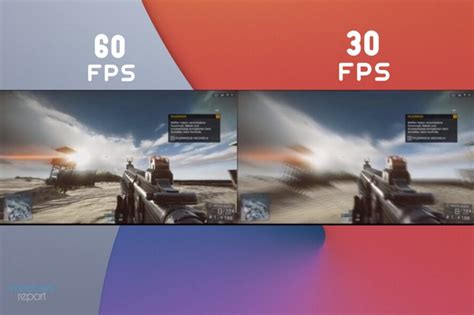
High refresh rate gaming isn’t just about faster frames; it’s about smoother gameplay, reduced input lag, and a more immersive experience. To truly benefit from a 144Hz monitor, for instance, you’ll want your GPU to consistently push frames well above 100 FPS. While competitive esports titles like CS:GO or Valorant are relatively easy to drive, graphically intensive games like Cyberpunk 2077 or Alan Wake 2 demand significantly more power.
When selecting a budget GPU, it’s crucial to manage expectations. ‘Budget’ typically means under $300-$350, though prices can fluctuate. At this price point, you’re looking for the best performance-per-dollar, often focusing on previous-generation cards or entry-level current-gen options that have seen price drops.
Key Factors for Budget GPUs
Several factors come into play when evaluating a budget GPU for high refresh rate 1080p gaming:
- Performance: Can it consistently hit 100+ FPS in your favorite games on medium-to-high settings?
- VRAM: 8GB of VRAM is increasingly becoming the minimum recommended for modern titles, even at 1080p, to prevent stuttering and texture issues.
- Power Efficiency: A more efficient card means lower power bills and less strain on your power supply.
- Driver Support: Mature and consistently updated drivers are vital for stability and optimal performance.
- Features: While ray tracing might be out of reach for high refresh rates on budget cards, features like DLSS, FSR, or XeSS can significantly boost performance.
Top Contenders for Budget 1080p High Refresh Rate
Considering the current market, here are the GPUs that stand out for delivering excellent 1080p high refresh rate gaming on a budget:
AMD Radeon RX 6600 Series
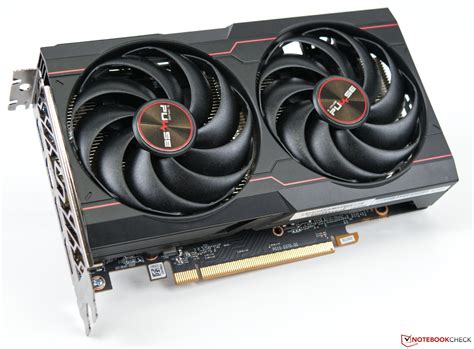
The AMD Radeon RX 6600 and RX 6600 XT (or the slightly newer RX 6650 XT) have been fantastic value propositions. The RX 6600, in particular, often drops below $200 and offers superb 1080p performance. It typically delivers well over 60 FPS in most AAA titles on high settings and can easily push 100+ FPS in esports games. With 8GB of GDDR6 VRAM, it’s well-equipped for current and near-future titles. The RX 6650 XT offers a noticeable performance bump for a slightly higher price, often competing with the RTX 3060.
NVIDIA GeForce RTX 3050 / RTX 4060
![[Official] FineShare FineCam | AI-Powered Virtual Camera Software for ...](/images/aHR0cHM6Ly90czIubW0uYmluZy5uZXQvdGg/aWQ9T0lQLk1ON050b2RBRXlkTEYtY1ZrQ1ZzWGdBQUFBJnBpZD0xNS4x.webp)
NVIDIA’s options are a bit trickier in the budget segment. The RTX 3050, while offering access to DLSS and decent 1080p performance, is often criticized for its price-to-performance ratio compared to AMD’s offerings. However, if you find it at a significant discount (below $250), its 8GB VRAM and DLSS capabilities make it a contender. The RTX 4060, while a newer generation, generally sits at a higher price point (around $299-$329) but offers better performance and DLSS 3.0. If your budget can stretch, the 4060 provides a more future-proof option with excellent power efficiency.
Intel Arc A750
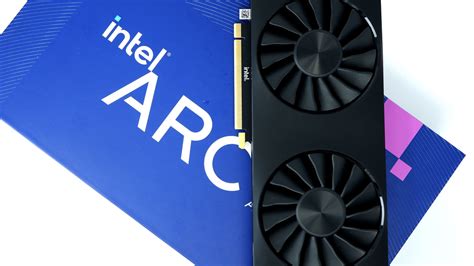
Intel’s entry into the discrete GPU market, the Arc A750, has proven to be a surprisingly strong budget contender, especially after numerous driver updates. Often priced competitively with or below the RX 6600, it offers comparable rasterization performance and excellent ray tracing capabilities for its price point. With 8GB of VRAM and support for XeSS (Intel’s upscaling tech), it’s a solid choice, though it tends to perform better on more modern APIs like DirectX 12 and Vulkan. Older DirectX 11 titles might see varied performance.
Benchmarks and Real-World Performance Expectations
For modern AAA games at 1080p on high settings, you can expect the following average FPS figures from these cards:
- AMD RX 6600: 60-80 FPS (easily over 100 FPS in esports titles)
- AMD RX 6650 XT: 80-100 FPS+
- NVIDIA RTX 3050: 50-70 FPS (higher with DLSS)
- NVIDIA RTX 4060: 70-90 FPS+ (higher with DLSS 3)
- Intel Arc A750: 60-85 FPS (variable depending on API, higher with XeSS)
Remember that specific game benchmarks, CPU pairing, and RAM speed will influence these numbers. For consistent high refresh rates, especially in demanding games, you’ll likely need to tweak settings down to medium-high or utilize upscaling technologies like FSR, DLSS, or XeSS.
The Verdict: Making Your Choice
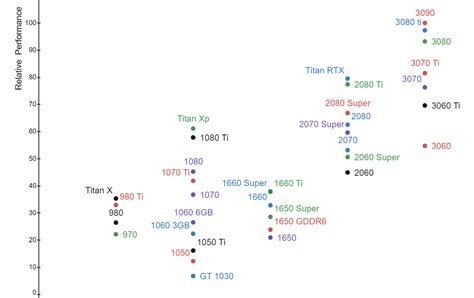
For the absolute best performance-per-dollar for 1080p high refresh rate gaming, especially if you prioritize rasterization performance over advanced features like strong ray tracing, the AMD Radeon RX 6600 or RX 6650 XT typically reigns supreme. They offer excellent raw power for their price and have 8GB of VRAM to keep you going.
If you value NVIDIA’s ecosystem, DLSS technology, and slightly better power efficiency, and can find it close to $300, the RTX 4060 is a strong option. The Intel Arc A750 is a compelling choice for those willing to embrace a newer platform, especially if playing modern, DX12-optimized games and taking advantage of XeSS.
Ultimately, the ‘best’ budget GPU depends on current market prices and your specific game library. Keep an eye out for sales and bundle deals, as these can significantly alter the value proposition of each card.