What’s the best guide structure for boss fights: minimal spoilers, maximum strategy?
The Art of the Strategic, Spoiler-Light Boss Guide
Creating an effective boss fight guide is a delicate dance. On one hand, players seek concrete advice to overcome challenging encounters; on the other, they often want to experience the narrative and the boss’s design surprises firsthand. The ideal guide structure delivers maximum strategic utility while minimizing narrative or experiential spoilers, empowering players without robbing them of discovery.

Understanding the Core Dilemma: Spoilers vs. Strategy
The tension between providing comprehensive strategy and avoiding spoilers is central to guide writing. Spoilers can range from revealing a boss’s true form or phase transitions to disclosing lore connections. A truly helpful guide must discern what information is critical for strategy versus what diminishes the player’s intrinsic reward of encountering the unknown. The goal is to provide enough foresight to prepare and adapt, but not so much that the fight feels prescribed rather than earned.
Prioritizing Player Discovery
A good guide respects the player’s journey. This often means reserving specific lore details or cinematic reveals for after the fight, or segmenting them clearly with explicit spoiler warnings. Focus instead on mechanics, attack patterns, and environmental interactions. The player should still feel the thrill of facing a new challenge, even with strategic advice at their fingertips.
Key Elements of a Minimal Spoiler, Maximum Strategy Structure
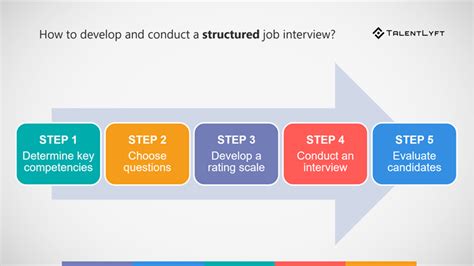
To achieve this balance, a guide should be organized logically, escalating in detail as the player opts to delve deeper. Think of it as a series of progressively less opaque layers.
1. Spoiler-Free Overview (The “Need to Know”)
Start with a high-level summary. This includes the boss’s general difficulty, recommended character level/power, and essential pre-fight preparations (e.g., “Bring elemental resistance potions,” “Ensure your weapon is upgraded”). Avoid naming specific attacks or story details here. This section is for players who want a quick readiness check.
2. Preparations and Loadouts (The “How to Equip”)
Detail ideal gear, abilities, and consumables without revealing why they are effective based on boss mechanics. For instance, “Equip a weapon with X damage type” or “Allocate skill points into Y defense.” Offer alternatives for different playstyles or resource availability. This empowers players to customize their approach.
3. Understanding Boss Mechanics (The “How to React”)
This is where the strategic meat lies. Structure this section with clear headings or bullet points for attack patterns, tells, and environmental hazards. Use neutral, descriptive language rather than lore-heavy names for attacks. For multi-phase bosses, clearly label phases, perhaps using generic terms like “Phase 1: Initial Assault” or “Phase 2: Enhanced Abilities.”
- Attack Identification: Describe visual or auditory cues for incoming attacks.
- Weaknesses and Resistances: List vulnerabilities and immunities without excessive explanation of their source.
- Movement and Positioning: Advise on optimal positioning, dodging, and parrying.
- Environmental Interactions: Highlight interactive elements of the arena.
4. Advanced Tactics and Common Pitfalls (The “How to Master”)
Offer more nuanced strategies, counter-strategies for specific attacks, and common mistakes to avoid. This might include optimal damage windows, crowd control opportunities, or specific combos to execute. This section can also house alternative strategies for different builds or playstyles.
5. Optional Spoiler Section (The “For Complete Clarity”)
For players who genuinely struggle or want every detail, provide a clearly marked, collapsible, or linked section that *does* include spoilers. This might cover lore implications, specific cinematic triggers, or unique narrative details that unfold during the fight. This gives players the choice to engage with this content.
Structuring for Readability and Utility
Beyond content, presentation is key. Use clear headings, bullet points, and bold text to break up information. Employ a “quick reference” section at the beginning for experienced players, and more detailed explanations for those who need them. The guide should be easy to navigate, allowing players to find specific information without sifting through unrelated text.
Conclusion: Empowering the Player’s Journey
The best boss fight guide doesn’t just tell a player how to win; it teaches them how to win, fostering understanding of game mechanics and enhancing their skills. By meticulously structuring content to layer strategy over minimal spoilers, guide writers can significantly enrich the player’s experience, providing a valuable resource that respects both the game’s design and the player’s desire for discovery.