What’s the best pitch strategy for indie devs aiming for an Indie Spotlight feature?

For independent game developers, securing an “Indie Spotlight” feature can be a game-changer, providing invaluable exposure to a passionate audience. But with countless incredible titles vying for attention, how do you craft a pitch that truly stands out? It’s not just about having a great game; it’s about effectively communicating its brilliance.
Understanding the “Spotlight” Mindset
Before you even begin writing, put yourself in the shoes of the editor or curator. They are looking for compelling stories, innovative gameplay, unique aesthetics, and ultimately, games that will resonate with their readership. Research past Indie Spotlight features – what kind of games do they highlight? What aspects do they focus on? This intelligence is crucial for tailoring your message.
The Irresistible Hook: Your Game’s Unique Selling Proposition (USP)
Every successful pitch starts with a strong hook. What makes your game truly different? Is it a novel gameplay mechanic, a deeply emotional story, a strikingly original art style, or a clever genre mashup? Identify your game’s core uniqueness and articulate it clearly and concisely. This isn’t just a bullet point list of features; it’s the heart of what makes your game special.
Think about the “elevator pitch”: If you had 30 seconds to describe your game and make someone interested, what would you say? Practice this until it’s sharp and memorable. This forms the backbone of your initial email.
Visuals That Speak Volumes
A picture is worth a thousand words, and a compelling video is worth a million. Your pitch must include high-quality, curated visuals. This means:
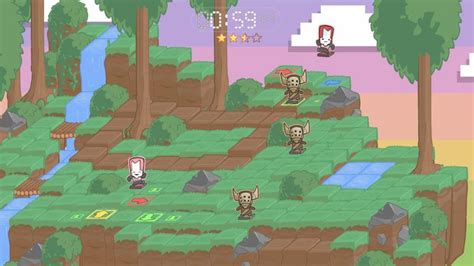
- Striking Screenshots: Showcase your best moments, diverse environments, and key characters. Avoid cluttered UI or developer debug elements.
- Engaging Gameplay Trailer: A short (1-2 minutes max), polished trailer that captures the essence of your game, its mechanics, and its mood. Make sure it has good pacing and music.
- Concept Art/GIFs (Optional but Recommended): If you have exceptional concept art or short, looping GIFs of cool mechanics, include them. They add personality.
Crafting the Perfect Press Kit
A professional, organized press kit is non-negotiable. This isn’t just for large publications; it demonstrates your professionalism and makes the editor’s job infinitely easier. Your press kit should be easily accessible (e.g., a dedicated page on your website or a well-structured Google Drive folder) and include:
- A concise game description and synopsis.
- Key features and unique selling points.
- High-resolution screenshots and official art.
- Your latest gameplay trailer (embedded and downloadable).
- Developer bio and studio information.
- Contact information.
- Links to your website, social media, and storefronts.

The Art of the Email Pitch
Your email subject line needs to grab attention. Be specific but intriguing. For example: “Indie Spotlight Pitch: [Your Game Name] – A [Genre] with [Unique Mechanic/Theme]”.
The body of the email should be:
- Personalized: Address the editor by name and reference their previous work if appropriate.
- Concise: Get straight to the point. Introduce your game, its USP, and why it’s a good fit for their spotlight.
- Compelling: Use enthusiastic but professional language.
- Accessible: Include direct links to your trailer, a few stunning screenshots, and most importantly, your full press kit. Don’t attach large files directly.
- Call to Action: Offer a review key, an interview, or a demo.

Timing, Patience, and Follow-Up
Timing can be crucial. If your game is nearing release or has just launched, that’s often a good window. However, don’t overlook early access or significant update milestones. Be patient; editors are busy. If you don’t hear back within a week or two, a polite, single follow-up email is acceptable. Anything more risks being seen as spammy.
Conclusion
Landing an Indie Spotlight feature is a significant achievement that requires more than just a great game; it demands a great pitch. By focusing on your game’s unique appeal, presenting it with professional visuals and a well-prepared press kit, and crafting a concise, personalized email, you significantly increase your chances of shining in the crowded indie landscape. Good luck, developers – make your game’s story heard!