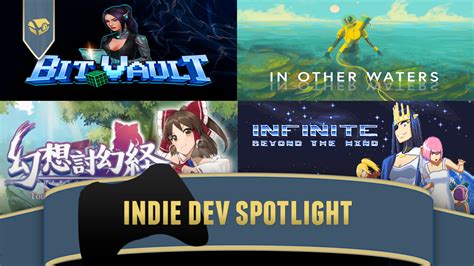




What’s the best strategy for finding hidden indie gems and creating engaging spotlights?

Unearthing the Obscure: Strategies for Indie Game Discovery
In the vast ocean of digital entertainment, thousands of independent games are released annually, many of which are innovative, artistic, and deeply engaging, yet struggle to find their audience. For content creators, curators, or simply passionate players, the quest for these ‘hidden indie gems’ is a rewarding challenge. The best strategy isn’t a single trick, but a multi-faceted approach combining active searching, community engagement, and a keen eye for unique potential.
One fundamental aspect of discovery is knowing where to look beyond the mainstream storefronts. While Steam does offer powerful tag filtering and discovery queues, venturing into more curated or developer-centric platforms often yields richer results. Websites like Itch.io are goldmines for experimental titles, game jam entries, and early access projects, often showcasing raw creativity before commercial polish. Following specific indie game publishers or communities on platforms like Reddit (r/indiegames, r/patientgamers, r/gamemaking) can also alert you to upcoming or underexposed titles recommended by fellow enthusiasts or developers themselves.

The Art of Vetting and Understanding Potential
Once you’ve identified potential candidates, the next step is a rigorous vetting process. It’s not enough to simply find a game; you need to understand its core appeal and potential. Look for unique mechanics, compelling art styles, innovative storytelling, or a fresh take on established genres. Developer blogs, social media presence, and even their past projects can offer valuable insights into their vision and dedication. Demos, often available during Steam festivals or on Itch.io, are invaluable for hands-on experience and assessing gameplay loops, technical stability, and overall user experience.
Engaging directly with developers, even through a simple tweet or forum post, can provide a deeper understanding of the game’s journey and inspirations. This direct interaction not only helps you grasp the nuances of the game but also builds a relationship that can be beneficial when it comes to creating your spotlight content. Remember, an indie game often comes with a passionate creator story, which can be just as compelling as the game itself.

Crafting Captivating Spotlights: Beyond the Review
Finding a gem is only half the battle; the other half is showcasing it in a way that truly captures an audience’s attention. An engaging spotlight goes beyond a simple review; it tells a story. Start by identifying the game’s unique selling proposition (USP). Is it the innovative combat, the breathtaking pixel art, the emotionally resonant narrative, or a quirky premise? Focus your content around this core appeal.
Use evocative language and high-quality visuals. Screenshots should be carefully curated to highlight key moments or beautiful environments. Short, punchy gameplay clips or GIFs can be far more effective than long, unedited footage. If you’re creating a video, consider a narrative structure that introduces the game, demonstrates its mechanics, showcases its best features, and perhaps includes a brief interview or developer quote. For written articles, break down information into digestible chunks with clear headings and bullet points.
Telling the Developer’s Story and Building Community
A truly engaging spotlight often weaves in the human element behind the game. Discuss the developer’s journey, the challenges they faced, their inspirations, and their passion. This personal touch fosters empathy and connection with your audience, making the game feel more significant than just another title. Many indie games are labors of love, and highlighting that dedication resonates strongly with players who appreciate craftsmanship.
Furthermore, actively encourage discussion and community engagement around the game. Ask your audience what they think, share their fan art or theories, and even host interactive events like “play-alongs” or Q&A sessions with the developers if possible. Promoting the game through multiple channels — articles, videos, livestreams, social media posts — ensures a wider reach and caters to different audience preferences. The goal is not just to present the game, but to build a micro-community around its unique appeal.

Measuring Impact and Sustaining the Hunt
After launching your spotlight, monitor its performance. Which aspects resonated most with your audience? What kind of engagement did it generate? This feedback is crucial for refining future discovery and spotlighting strategies. The landscape of indie gaming is constantly evolving, with new developers and innovative ideas emerging daily. Sustaining your hunt involves staying curious, exploring new platforms, and continuously refining your criteria for what constitutes a true ‘gem’.
Ultimately, the best strategy for finding hidden indie gems and creating engaging spotlights is a blend of diligent exploration, critical evaluation, creative storytelling, and genuine passion. By consistently applying these principles, you not only help fantastic games find their deserved audience but also enrich the gaming community with diverse and unforgettable experiences.