




What’s the best strategy for keeping complex game guides accurate after major game updates?

Video games evolve constantly, with major updates often reshaping mechanics, adding content, or rebalancing systems. For creators of complex game guides, this dynamic environment presents a significant challenge: how to keep detailed instructions and strategies accurate and relevant for players. The best approach isn’t a single silver bullet, but rather a combination of proactive strategies and efficient workflows designed to adapt to continuous change.
Embrace Proactive Monitoring and Patch Note Scrutiny
The first line of defense against outdated information is diligent monitoring. Guide creators should subscribe to official developer announcements, follow relevant social media channels, and, most importantly, thoroughly dissect every patch note released. Many developers provide detailed change logs, but sometimes crucial, subtle shifts are omitted or glossed over. It’s essential to not just read, but to understand the implications of each change on existing game mechanics, item statistics, or quest lines. Prioritize updates that impact core gameplay loops or fundamental systems covered by the guide.

Cultivate a Strong Community Feedback Loop
Your guide’s users are an invaluable asset. Encourage players to report inaccuracies or outdated information they encounter. This can be facilitated through dedicated feedback sections, forums, or even direct messaging channels. Establishing a clear process for reporting and verifying these reports is crucial. Quick verification and swift updates not only improve guide accuracy but also build trust and engagement within your community. Community members often discover subtle changes or emergent strategies before official patch notes catch up.

Implement a Modular Guide Design
A monolithic guide is a nightmare to update efficiently. Instead, design guides with modularity in mind. Break down complex information into smaller, self-contained sections that can be updated independently without affecting the entire guide. For example, separate sections for “character builds,” “boss mechanics,” “item descriptions,” and “quest walkthroughs” allow for targeted revisions. If a boss’s attack pattern changes, you only need to update that specific module, not the entire walkthrough. This also makes version tracking much simpler and minimizes the risk of introducing new errors during updates.
Utilize Version Control and Archiving
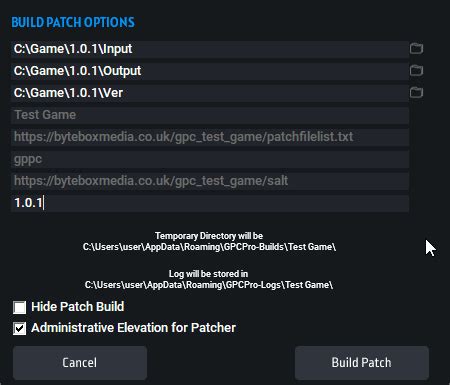
Treat your game guides like software documentation. Implement a robust version control system, even if it’s as simple as dated folders or dedicated Git repositories for more technically inclined teams. Always archive previous versions of sections or entire guides. This is invaluable for tracking changes, understanding what was accurate at a specific game version, and even for restoring information if a new update reverts a previous change. Clearly indicating the game version a guide or a section of it pertains to is critical for user clarity.
Establish a Dedicated Update Workflow and Team
For truly complex or large-scale guides, consider dedicating specific resources or individuals to “update duty.” This means having someone responsible for monitoring updates, analyzing changes, and coordinating the necessary revisions. Developing a clear workflow is paramount:
- Monitor: Track official sources for updates.
- Assess: Determine the impact of changes on guide sections.
- Prioritize: Identify critical updates that need immediate attention.
- Update: Implement changes in the guide.
- Verify: Test or cross-reference changes in-game or with community input.
- Publish: Release the updated guide with clear versioning.

Automate Where Possible
While full automation is rare for complex game logic, certain aspects can be automated to streamline the process. For instance, if item data, skill trees, or statistical values are available via an official API or parseable data files, tools can be developed to pull and cross-reference this data. This can automatically flag discrepancies between the guide and the live game, reducing manual effort for data-intensive sections. This level of automation is more applicable to games with transparent data access and for teams with programming resources.

Keeping game guides accurate in an ever-changing digital landscape is an ongoing commitment. By combining proactive monitoring, leveraging community insights, employing smart structural design, utilizing robust version control, and establishing clear update workflows, guide creators can ensure their resources remain valuable and reliable tools for players, significantly extending their lifespan and utility.