What’s the best strategy for updating game guides to reflect new patches/DLC without full rewrites?

Keeping Guides Fresh: The Challenge of Constant Change
In the fast-paced world of video games, a guide can become outdated almost as soon as a new patch drops or a DLC expands the universe. Full rewrites for every update are impractical, time-consuming, and often unnecessary. The key lies in strategic, efficient updates that maintain accuracy and user experience without overhauling existing, valuable content.
Strategic Approaches to Efficient Guide Updates
The goal is to integrate new information seamlessly while clearly demarcating changes, allowing both new and returning users to find what they need.
1. Implement Dedicated ‘Patch Notes’ or ‘Version History’ Sections
One of the most straightforward methods is to add a specific section, often at the beginning or end of a relevant guide, detailing changes made by specific patches or DLCs. This section can list what changed, where the change affects the guide, and the patch version. For major updates, link directly to updated sections within the guide.
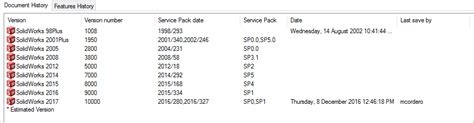
Benefits: Provides a clear changelog for readers, reduces the need to alter core text extensively, and helps track guide evolution.
2. Modular Content Design
Design your guides with modularity in mind from the outset. Break down sections into independent, self-contained blocks. For example, have separate sections for ‘Character Builds’, ‘Item Locations’, ‘Quest Walkthroughs’. When an update changes a specific item or quest, you only need to update that particular module, rather than re-evaluating the entire guide’s flow.
Benefits: Simplifies identifying and isolating areas for updates, making the process much faster and less error-prone.
3. Conditional Content & Collapsible Sections
Utilize interactive elements like collapsible sections or tabs for content that varies significantly between game versions or for DLC-specific information. You can have a section for ‘Pre-Patch X’ and another for ‘Post-Patch X’ or ‘Base Game’ vs. ‘DLC Y Content’. Users can then toggle to see the relevant information for their game state.
Benefits: Keeps the guide concise by hiding less relevant information, offers a clean way to present divergent data, and allows users to self-select the information they need.
4. Highlighted Changes and Annotations
For smaller changes within existing paragraphs, use subtle visual cues like colored text, strikethroughs for deprecated information, or small ‘NEW’ or ‘UPDATED’ tags. Brief annotations explaining the change can be incredibly helpful. Ensure these visual cues are consistent and explained in a legend if necessary.
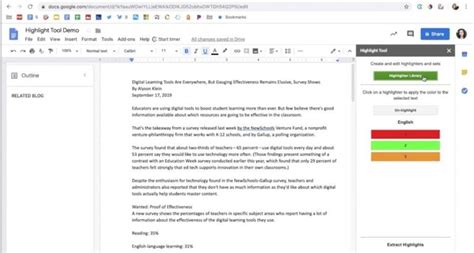
Benefits: Immediately draws attention to new or altered information, saving readers time from having to re-read entire sections.
5. Appendices for DLC and Major Expansions
When a large DLC introduces entirely new mechanics, areas, or items, consider creating a dedicated appendix or a linked supplementary guide rather than trying to weave all that new content into the original guide’s main body. The original guide remains a robust resource for the base game, with the appendix serving as an extension.
Benefits: Prevents the original guide from becoming bloated, maintains its original scope, and provides clear separation for new content.
6. Leverage External Links & Community Resources
For very minor, frequently changing data points (e.g., fluctuating market prices in an MMO), consider linking out to reliable, community-maintained databases or wikis. This offloads the constant updating burden for specific, granular data points that might not warrant a full guide revision.
7. Consistent Tagging and Indexing
Ensure that all new or updated content is properly tagged and indexed within your guide’s internal search or navigation system. If you’ve updated a specific character build, make sure its associated tags reflect the new patch version, allowing users to search for ‘Patch 1.2 builds’.

Benefits: Improves discoverability of updated content, making the entire guide more user-friendly and functional.
Best Practices for Implementation
- Regular Review Schedule: Establish a routine for checking official patch notes and reviewing relevant guide sections.
- Clear Communication: Inform your readers about the date of the last update for each guide section.
- Backup Strategies: Always keep backups of your guides before implementing major changes.
Conclusion
Updating game guides for new patches and DLC doesn’t have to be a daunting task. By adopting strategic approaches like modular design, dedicated update sections, and clear visual indicators, content creators can efficiently maintain guide accuracy and relevance, ensuring their resources remain valuable for the gaming community without the constant burden of full rewrites.