What’s the best strategy for updating old gaming guides to stay relevant and boost SEO?

In the fast-evolving world of video games, even the most meticulously crafted guides can quickly become outdated. Game patches, expansions, new strategies, and community discoveries all contribute to making once-essential information obsolete. For content creators and gaming websites, letting these guides languish means missed opportunities for traffic, authority, and engagement. The key to maintaining a vibrant content library and ensuring sustained SEO performance lies in a proactive and strategic approach to updating old gaming guides.

The Foundation: Content Audit & Prioritization
Before diving into updates, a comprehensive audit is crucial. You can’t improve what you don’t measure.
Identifying Underperforming Assets
- Traffic Analysis: Use tools like Google Analytics to identify guides with declining organic traffic or high bounce rates.
- Keyword Rankings: Check Search Console for guides that have slipped in rankings for their target keywords.
- User Feedback: Monitor comments, forums, or social media for mentions of outdated information.
- In-game Changes: Stay abreast of major game updates, patches, or DLCs that directly impact your guide’s content.
Prioritizing for Impact
Not all guides need immediate attention. Focus on those that:
- Once performed exceptionally well but have declined significantly.
- Cover evergreen topics that have high search potential if updated.
- Are foundational to your site’s authority in a specific game or genre.
Strategic Content Refresh
Once you’ve identified the guides, the real work begins: bringing them back to life.
Accuracy and Depth
The most critical step is updating all factual information. This includes item stats, quest steps, character builds, boss strategies, and game mechanics. Don’t just correct; expand. Add new insights, alternative strategies, or advanced tips that weren’t available when the guide was first published. Aim for completeness and authority.
Integrating New Game Elements
If the game has received significant updates (expansions, new characters, zones), ensure these are seamlessly integrated into relevant guides. Create new sections or update existing ones to reflect these additions. This adds value and demonstrates that your content is current.
Multimedia Enhancement
Text-only guides can be a slog. Incorporate new screenshots, short gameplay clips, or even embedded YouTube videos (if you produce them) to illustrate complex mechanics or visual elements. Visual aids significantly improve user engagement and comprehension.
Technical SEO Optimization
Relevance isn’t just about content; it’s about how search engines perceive and rank that content.
Keyword Research and Integration
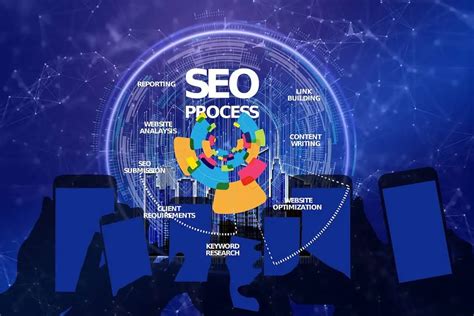
Revisit your keyword strategy. Are there new long-tail keywords or related terms that have emerged since the guide was published? Update title tags, meta descriptions, headings, and body text with relevant, high-performing keywords. Ensure natural language over keyword stuffing.
Internal Linking Structure
Link to your newly updated guide from other relevant pages on your site. Similarly, update your guide to link out to newer, related content. This strengthens your site’s overall link profile and helps search engines understand the relationships between your pages.
Schema Markup for Guides
Implement or update schema markup (e.g., HowTo schema, FAQ schema) to help search engines better understand the content’s purpose and potentially display rich snippets in search results. This can significantly boost click-through rates.
Mobile-Friendliness and Page Speed
Ensure your updated guide is fully responsive and loads quickly on all devices. Google prioritizes mobile-first indexing, and slow pages lead to higher bounce rates and lower rankings.

Enhancing User Experience (UX)
Even with great content and SEO, a poor user experience will deter visitors.
Readability and Formatting
Break up large blocks of text with headings, subheadings, bullet points, and bolded key information. Use a clean, legible font. A well-structured guide is easier to scan and digest, keeping users on the page longer.
Visuals and Interactivity
Beyond static images, consider interactive elements like collapsible sections for FAQs, tables of contents with jump links, or comparison tables. These not only improve UX but can also extend session duration.
Clear Calls to Action
Encourage engagement. Ask readers to comment with their own tips, share the guide, or check out related content. This fosters community and keeps users within your ecosystem.

Promotion and Monitoring
An updated guide is only effective if people know about it and you track its performance.
Re-promotion Channels
Don’t just hit “publish.” Share your updated guide across all your relevant channels: social media, newsletters, gaming forums, and community hubs. Frame it as a “revised and improved” or “definitive” edition.
Performance Tracking
Continuously monitor the guide’s performance using analytics tools. Look for improvements in organic traffic, keyword rankings, dwell time, and conversions. Be prepared to make further tweaks based on this data.

Conclusion
Updating old gaming guides is not a one-time task but an ongoing commitment to quality and relevance. By systematically auditing your content, strategically refreshing its information, optimizing for technical SEO, and prioritizing user experience, you can transform dormant assets into powerful traffic drivers. This continuous cycle of improvement not only boosts your SEO but also solidifies your reputation as a reliable and authoritative source in the ever-changing gaming landscape.