What’s the best strategy to update gaming guides post-patch effectively?

Navigating the Dynamic World of Game Updates
In the fast-paced realm of video games, a guide’s shelf life can be fleeting. Patches, hotfixes, and expansions frequently introduce changes that can render even the most meticulously crafted strategy guides obsolete overnight. For content creators and guide writers, the challenge isn’t just creating comprehensive guides, but maintaining their accuracy and relevance. An effective post-patch update strategy is crucial not only for a guide’s utility but also for establishing trust with your audience.
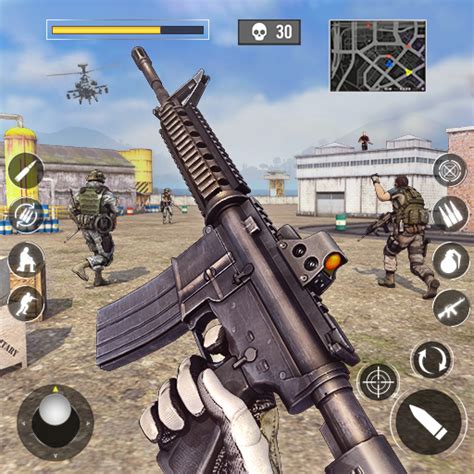
Key Strategies for Effective Post-Patch Guide Updates
1. Proactive Monitoring of Patch Notes and Developer Announcements
The first line of defense is vigilance. Subscribe to official developer channels, follow community managers, and join official game forums or Discord servers. Being among the first to see patch notes allows for immediate assessment of potential impacts on your guides. Look for keywords related to character abilities, item statistics, map layouts, quest flows, and economy changes.
2. Prioritize Critical and Meta-Shifting Changes
Not all changes are created equal. Focus your initial efforts on updates that fundamentally alter gameplay, character viability (meta shifts), or make existing strategies completely unworkable. These are the changes that will most immediately impact players and for which they will seek updated information. Minor bug fixes or cosmetic alterations can often wait.
For instance, if a core mechanic of a class is reworked, or an item essential to a popular build is nerfed or buffed significantly, those sections of your guide should be flagged for urgent revision. Quickly identifying these high-impact changes saves time and directs your efforts to where they matter most.
![[FREE GUIDE] Setting Priorities](/images/aHR0cHM6Ly90czEubW0uYmluZy5uZXQvdGg/aWQ9T0lQLjE1OVFiU3JNMnljdDFTUnd1b2ZYV0FIYUtHJnBpZD0xNS4x.webp)
3. Employ a Modular Guide Structure
A well-structured guide, broken down into distinct sections (e.g., “Classes,” “Builds,” “Items,” “Quests,” “Maps”), makes updates far more manageable. Instead of sifting through a monolithic document, you can pinpoint the exact sections affected by a patch. This modular approach allows for targeted edits, reducing the risk of introducing new errors while speeding up the revision process.
Consider using internal links or a table of contents that can be easily updated or flagged. When a patch drops, you can go directly to the ‘Character Abilities’ section if a class rework occurs, or ‘Item Builds’ if gear stats change, without needing to review the entire guide.
4. Implement Clear Version Control and Change Logs
Maintain a system, whether simple or complex, to track changes. This could be a “Last Updated” timestamp, a detailed changelog at the beginning or end of the guide, or even a more sophisticated version control system if collaborating. Clearly indicating what was changed, when, and by whom, builds transparency and helps readers quickly grasp the new information.
A dedicated “Patch Notes Summary” section within your guide that links to the specific updated sections can be incredibly helpful for returning readers. This also serves as an archive of how the game and your guide have evolved over time.
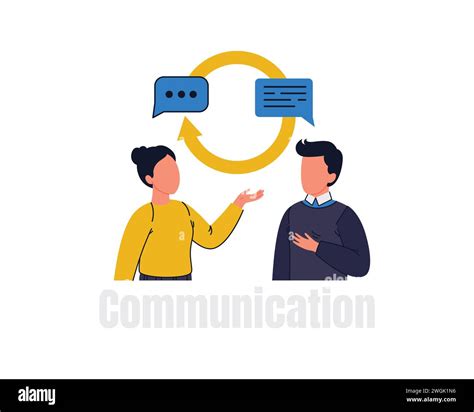
5. Communicate Changes Clearly to Your Audience
Once updates are made, don’t just silently publish them. Use clear markers within the guide (e.g., “[UPDATED – Patch 1.2]“) or a dedicated “What’s New” section to highlight revised information. Announce updates on your platform, social media, or community channels. Explaining why certain strategies changed due to a patch adds valuable context and reinforces your expertise.
Engage with your community. Encourage feedback on the updated guide. Players often discover nuances or new optimal strategies quickly, and their input can be invaluable for further refinement. A dedicated comment section or forum thread for your guide can facilitate this.

Leveraging Tools and Best Practices
Content Management Systems (CMS) with revision history features are immensely helpful. Platforms like WordPress allow you to save drafts and compare versions. For more technical writers, Git can be used for text-based guides to track every single change. Utilizing a dedicated testing environment or a secondary character in-game to verify changes before publishing can prevent misinformation.
Furthermore, building a network of trusted players or fellow guide writers can provide immediate insights and peer review for your updates. Sharing the workload or discussing interpretations of patch notes can lead to more accurate and comprehensive revisions.
Conclusion
Maintaining up-to-date gaming guides in a dynamic game environment is an ongoing commitment. By adopting a proactive approach to monitoring changes, prioritizing critical updates, structuring guides modularly, implementing clear version control, and communicating effectively with your audience, you can ensure your guides remain a valuable and trusted resource for players navigating the ever-evolving landscape of their favorite games. An effective update strategy transforms a static document into a living, breathing companion for any gamer.