What’s the best way for competitive gamers to analyze replays for strategic improvement?
The Untapped Potential of Replay Analysis
In the high-stakes world of competitive gaming, raw talent can only take you so far. The true titans of esports are not just mechanically gifted; they are masters of strategy, adapting and evolving with every match. One of the most powerful, yet often underutilized, tools in their arsenal is replay analysis. It’s the digital equivalent of a sports team reviewing game footage – a deep dive into past performances to uncover weaknesses, exploit opportunities, and refine strategy. But simply watching a replay isn’t enough; the key lies in a structured, analytical approach.
Setting the Stage: Preparation and Mindset
Before you even hit play, prepare for your analysis session. Choose replays strategically – don’t just pick your best wins or worst losses. Analyze a mix: close games, matches against skilled opponents, and situations where you felt particularly lost or outmaneuvered. Ensure you’re in a focused environment, free from distractions. Have a notepad or a digital document ready to jot down observations and questions. Your mindset should be objective and critical, not emotional. The goal isn’t to blame, but to understand and learn.
The Multi-Pass Approach: A Deep Dive
Effective replay analysis often involves multiple passes, each with a different focus:
Pass 1: The Overview – Flow and General Impressions
Watch the replay from your perspective at normal speed. Pay attention to the overall flow of the game. What were the major turning points? When did you feel you had an advantage or disadvantage? Don’t pause or rewind during this pass; simply get a feel for the match as it unfolded. This helps you identify broad patterns and areas that warrant closer inspection.
Pass 2: The Specifics – Your Perspective, Slowed Down
Now, slow down the replay (or use frame-by-frame controls) and switch to your perspective. Focus on your individual actions and decisions. Ask yourself:
- Positioning: Was I in the optimal place at all times? Where could I have been safer or more impactful?
- Decision-Making: Why did I make that specific call? Was it based on accurate information? What were the alternatives, and were they better?
- Mechanics: Did I execute my abilities or shots cleanly? Were there moments of hesitation or misinput?
- Resource Management: Did I use my cooldowns, money, or other resources efficiently?
- Awareness: Was I tracking enemy cooldowns, map movements, and objectives effectively?
Pause frequently, rewind small sections, and take detailed notes. This is where the bulk of individual improvement comes from.
Pass 3: The Team and Opponent – Broader Strategy
Switch perspectives to your teammates’ or even the enemy’s (if the game allows). This pass is crucial for understanding the bigger strategic picture:
- Team Coordination: How well did our team execute objectives, rotations, and engages? Were there miscommunications or missed synergies?
- Opponent Analysis: What strategies did the enemy employ? How did they react to our plays? Were there predictable patterns we could exploit in future matches? Identify their key players and their tendencies.
This pass helps identify areas for team improvement and allows you to prepare better for specific opponents.
Translating Insights into Actionable Strategies
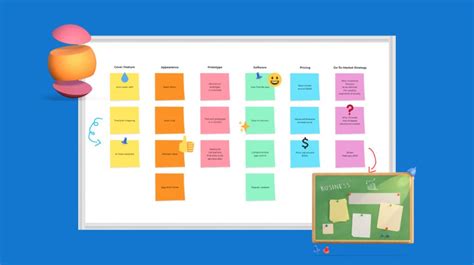
The notes you’ve taken are valuable, but only if they lead to action. Categorize your observations into:
- Individual Mechanical Fixes: (e.g., “Practice last-hitting under pressure,” “Improve aim consistency.”)
- Individual Strategic Adjustments: (e.g., “Don’t push without vision,” “Prioritize X objective in Y situation.”)
- Team-wide Improvements: (e.g., “Coordinate ultimate usage,” “Improve communication for dives.”)
Choose 1-3 key areas to focus on for your next few practice sessions or games. Don’t try to fix everything at once. Prioritize the issues that had the biggest impact on the game’s outcome. For team issues, discuss them openly and constructively with your teammates, using the replay footage as objective evidence.

Continuous Improvement Cycle
Replay analysis isn’t a one-off event; it’s a continuous cycle. After implementing your new strategies, play more games, and then analyze those replays. See if the adjustments you made had the desired effect. This iterative process of review, practice, and re-review is what separates good players from truly great ones. It fosters a deep understanding of the game, sharpens critical thinking, and provides a clear path for consistent strategic improvement in the competitive arena.