What’s the best way to make specific info easily findable in long gaming guides?
Optimizing Long Gaming Guides for Instant Information Access
In the vast landscapes of modern video games, players often seek precise information to overcome challenges, find hidden secrets, or optimize their gameplay. Long, comprehensive guides, while invaluable, can quickly become overwhelming if not structured for easy navigation. The challenge for guide creators is to anticipate player needs and design content that makes specific details not just present, but effortlessly findable. This requires a thoughtful approach to information architecture and user experience.
Foundational Strategies for Enhanced Findability
Masterful Table of Contents (TOC)
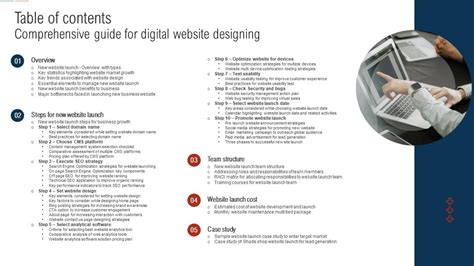
An interactive and well-structured Table of Contents is perhaps the most critical element for long guides. It acts as a guide’s roadmap, allowing players to jump directly to relevant sections. Ensure your TOC is clearly visible, preferably at the top or in a sticky sidebar, and includes granular sub-sections rather than just broad topics. Each entry should be a clickable link, taking the user instantly to the corresponding content.
Clear and Consistent Headings and Subheadings
Beyond the TOC, the internal hierarchy of your guide is paramount. Use HTML heading tags (<h2>, <h3>, <h4>) logically to break down information. <h2> for major sections (e.g., “Main Quests,” “Side Activities”), <h3> for sub-topics within those sections (e.g., “Chapter 1: The Beginning,” “Boss Battle: Shadow Lord”), and <h4> for specific details (e.g., “Phase 2 Tactics,” “Item Location”). Headings should be descriptive, keyword-rich, and consistent in style.
Strategic Internal Linking
Throughout your guide, identify opportunities to link related information. If you mention an item in a quest walkthrough that’s detailed in an “Items” section, link to it. If a strategy for a boss fight relies on a specific character build, link to that build guide. This creates a web of interconnected content, allowing players to seamlessly navigate between interdependent topics without losing their place or needing to search again.
Visual Cues and Formatting
Don’t underestimate the power of visual aids. Use bold text, italics, bullet points, and numbered lists to highlight key information, steps, or important notes. Color coding can also be effective for specific types of information (e.g., red for warnings, green for optimal choices). Small icons can denote different types of content, such as a star for collectibles or a sword for combat tips. This breaks up long blocks of text and guides the eye to crucial details.

Advanced Tools and Techniques for Superior Navigation
Quick Reference Sections and Summaries
For complex mechanics or boss fights, consider including a “Quick Reference” or “TL;DR” (Too Long; Didn’t Read) summary at the beginning or end of a section. These concise bullet-point lists offer immediate answers for players who just need the gist, while the main body provides the comprehensive details. This caters to both casual browsers and deep divers.
Integrating Maps and Screenshots with Annotations
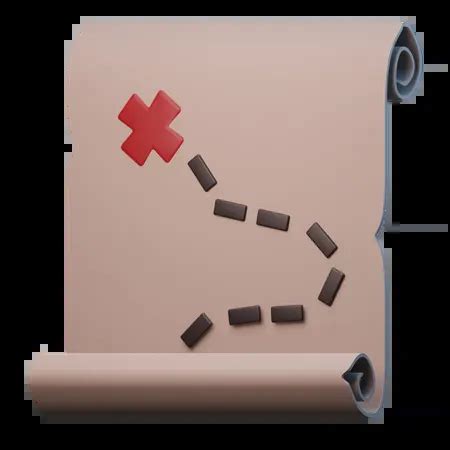
Visual content is often faster to process than text. Include annotated maps for locations, collectibles, or puzzle solutions. Screenshots demonstrating specific in-game actions, menu navigation, or item placements can clarify instructions instantly. Ensure these visuals are clearly labeled and placed near the relevant text.
User-Centric Design and Feedback
The best guides are iterative. Solicit feedback from your audience: are they finding what they need? Are there confusing sections? Tools like internal search analytics (if your platform supports it) can reveal what players are looking for. Regularly review and update your guides based on game patches, new content, and user feedback to ensure accuracy and continuous improvement in findability.

The Imperative of Consistency and Clarity
Ultimately, a gaming guide’s usability hinges on consistency. Use the same terminology for items, characters, and locations throughout. Maintain a consistent tone and writing style. Ensure that your formatting choices are applied uniformly. A clear, predictable structure reduces cognitive load and allows players to intuitively understand how to navigate your content, making their journey through your guide as smooth as their journey through the game itself. By focusing on these principles, guide creators can transform sprawling information into accessible, player-friendly resources.