What’s the best way to report game-breaking mods or malicious users effectively?
Maintaining a Healthy Gaming Environment
The integrity of online gaming communities relies heavily on the collective effort to identify and report disruptive elements. Game-breaking mods and malicious users can severely degrade the experience for everyone, leading to frustration, unfair play, and even driving players away from a game they love. Knowing the best practices for reporting these issues is crucial for moderators to take swift and appropriate action.

Understanding the Different Types of Disruptions
Before reporting, it’s important to differentiate between various issues. Game-breaking mods typically refer to unauthorized modifications that give players an unfair advantage (e.g., aimbots, wallhacks, speed hacks) or cause server instability and crashes. Malicious users encompass a broader category, including cheaters, harassers, toxic players, scammers, or those exploiting bugs for personal gain. Effective reporting requires you to accurately categorize the problem.
Knowing Your Reporting Channels
Most games and platforms offer multiple avenues for reporting. It’s vital to use the correct one for your specific issue:
- In-Game Reporting Tools: This is often the quickest and most direct method for live incidents like cheating or harassment. These tools usually send immediate data (player ID, game instance, time) to moderators.
- Official Forums & Websites: Many developers have dedicated sections on their forums or support websites for reporting exploits, bugs, or detailing incidents with multiple users or ongoing issues.
- Support Tickets/Email: For more complex issues, account-related problems, or when extensive evidence needs to be submitted, a direct support ticket or email to the game’s customer service is often the best approach.
- Platform-Specific Reporting: For console platforms (e.g., Xbox, PlayStation, Nintendo) or PC storefronts (e.g., Steam, Epic Games Store), there are additional layers of reporting for user behavior that violates their terms of service.
What to Include in Your Report for Maximum Effectiveness
The more detailed and accurate your report, the easier it is for moderators to investigate and act. Always strive to provide the following:
- User ID/Gamertag: The exact in-game name or ID of the problematic player. Be careful with spelling.
- Server/Region/Match ID: If applicable, specify the server you were on, your region, or the unique identifier for the match/game session.
- Date and Time: Provide the exact date and time (including timezone) the incident occurred.
- Detailed Description: Clearly explain what happened. What did the user do? How did the mod affect gameplay? Be objective and stick to facts.
- Evidence: This is often the most critical component. Include screenshots, video clips, or chat logs. Ensure evidence clearly shows the offense and the offender’s ID.
- Context: Briefly explain any preceding events that led to the incident, if relevant.
Best Practices for Reporting
Beyond the content of your report, how you behave during and after an incident also matters:
- Stay Calm and Objective: Avoid emotional language, threats, or personal attacks in your report. Stick to the facts.
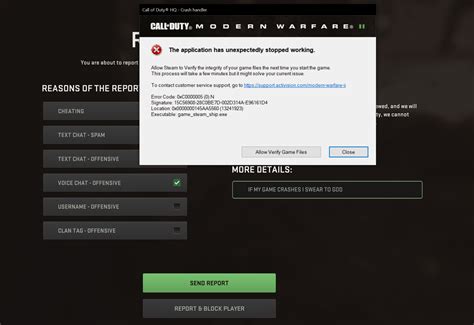
- Do Not Engage: If a user is harassing or provoking, do not engage in chat. Mute them if possible and focus on gathering evidence. Engaging can complicate the situation and potentially make you look like a participant in the misconduct.
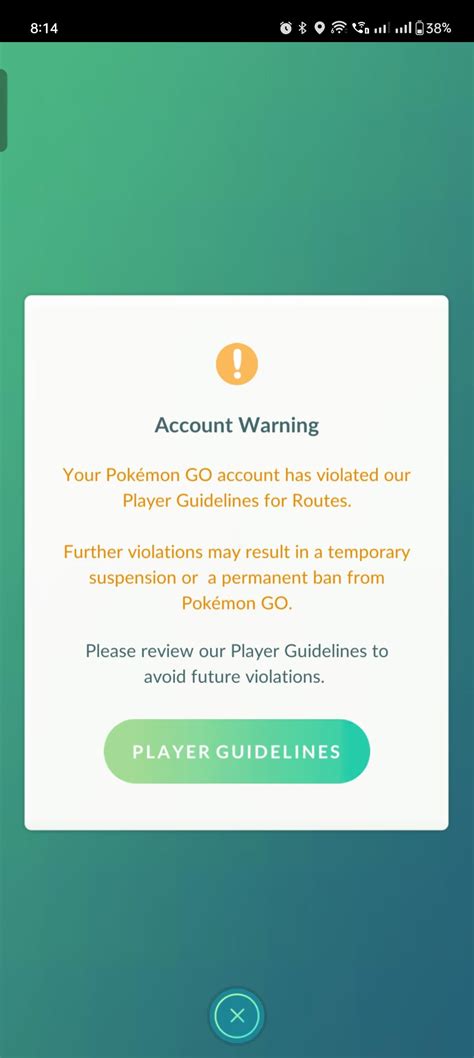
- Follow Guidelines: Always adhere to the specific reporting guidelines of the game or platform. Misusing reporting tools can lead to penalties for you.
- Be Patient: Investigations take time. Once you’ve submitted your report, trust the moderation team to handle it. Repeatedly contacting them about the same report won’t speed up the process.
The Community’s Role in Upholding Standards
Effective reporting isn’t just about individual incidents; it’s about fostering a culture of accountability within the gaming community. When players consistently report issues properly, it helps developers and moderators understand common problems, improve their detection systems, and ultimately create a more fair and enjoyable environment for everyone. Your commitment to reporting responsibly contributes significantly to the health and longevity of your favorite games.
Conclusion
Reporting game-breaking mods and malicious users effectively is a vital part of being a responsible gamer. By understanding the problem, utilizing the correct channels, providing detailed evidence, and adhering to best practices, you empower moderation teams to act decisively. This collective effort ensures that online games remain fun, fair, and welcoming spaces for all players.