What’s the best way to review live-service games fairly as they evolve?

The Shifting Sands of Live-Service Gaming
Live-service games, with their continuous updates, evolving content, and dynamic communities, present a unique conundrum for traditional game review methodologies. Unlike their static, single-release counterparts, these titles are never truly “finished,” posing a significant challenge for reviewers aiming to deliver a fair and accurate assessment.
The core question is how to evaluate a product that is constantly changing. An initial review, often published at or shortly after launch, can quickly become outdated as developers introduce new features, balance changes, bug fixes, or even fundamentally alter core mechanics. This disparity can lead to reviews that no longer reflect the current state of the game, potentially misleading consumers and unfairly judging the developers’ ongoing efforts.
Challenges in Traditional Review Paradigms
The conventional review model typically offers a snapshot of a game at a specific moment in time. For live-service titles, this approach is inherently problematic. A game might launch in a rough state, only to blossom into an excellent experience months or even years later, or vice-versa. Relying solely on a day-one review fails to capture this journey.
Continuous updates, from minor patches to massive content expansions, can drastically alter player experience, game balance, and even a game’s underlying business model. Monetization strategies can shift, new classes or characters can be introduced, and entire storylines can unfold. A single, static score or critique cannot adequately encompass this fluidity.
Furthermore, player sentiment plays a crucial role in live-service games. While not the sole arbiter of quality, the health of a game’s community and its ongoing engagement are vital indicators of its success and longevity. Traditional reviews often struggle to factor in this evolving, community-driven aspect effectively.
Towards a Dynamic Review Framework
Embracing the “Review-in-Progress” Model
One promising approach is to adopt a “review-in-progress” model. This involves publishing an initial assessment at launch, clearly identifying it as a preliminary look, and then updating it periodically. These updates could coincide with major content drops, significant patches, or seasonal resets. Each update would offer new insights, re-evaluate existing scores where necessary, and highlight the changes that have occurred since the last assessment.
Iterative Score and Update Log
For publications willing to commit the resources, maintaining an evolving score coupled with a detailed update log could be ideal. The core review would feature a dynamic score that can be adjusted over time, alongside an easily accessible record of all changes made to the review and the game itself. This transparency allows readers to trace the game’s evolution and understand the rationale behind score adjustments.

Focusing on Core Mechanics and Long-Term Potential
Reviewers should place a strong emphasis on evaluating the foundational elements of a live-service game: its core gameplay loop, technical stability, art direction, and initial narrative hooks. These are the elements that are less likely to change drastically and represent the bedrock upon which future content is built. Assessing the developer’s vision, communication, and commitment to the game’s future also becomes paramount.
Player Community Integration
While a review should never simply echo popular sentiment, understanding the prevailing mood of a game’s community offers valuable context. Reviewers can monitor player forums, social media, and official channels to gauge how updates are being received, identify recurring issues, and assess the overall health of the player base. This provides a qualitative layer to the review, acknowledging the symbiotic relationship between developers and their players in the live-service space.
The Role of Reviewers and Publications
For this dynamic review model to succeed, reviewers need to commit to an ongoing relationship with these games, revisiting them consistently. Publications, in turn, must allocate the necessary resources and clearly communicate their evolving review policies to their audience. Transparency is key; readers need to understand that the review they are reading reflects a specific point in the game’s lifespan and that updates will follow.
Educating the audience about the “living” nature of these reviews is just as important as the reviews themselves. Clear labeling, accessible update histories, and consistent editorial policies will help readers navigate the evolving landscape of live-service game criticism.
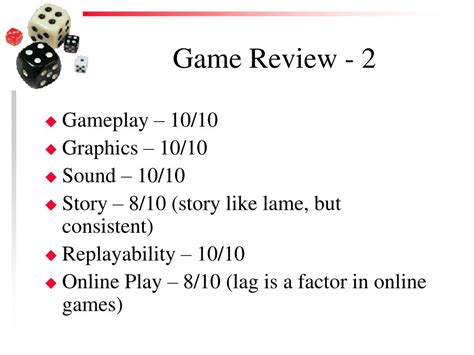
Conclusion: A Living Critique for Living Games
Ultimately, fairly reviewing live-service games requires a departure from traditional, static evaluation methods. It demands a more fluid, iterative, and transparent approach that acknowledges the continuous evolution inherent to these titles. By embracing “reviews-in-progress,” maintaining update logs, focusing on core design, and integrating community sentiment, reviewers can provide more accurate, long-lasting, and valuable assessments. This ensures fairness not only to the hard work of developers but also to the players who invest their time and money into these ever-changing virtual worlds.