What’s the best way to track specific game updates and release date changes?
Navigating the Volatile World of Game Release Dates and Updates
The gaming industry is a dynamic beast, constantly evolving with new announcements, patches, and, most notably, ever-shifting release dates. For dedicated players, keeping tabs on specific titles can feel like a full-time job. Whether you’re eagerly awaiting a highly anticipated AAA title or tracking the ongoing development of an indie gem, staying informed is key. But with so many sources, what’s the most effective way to track specific game updates and release date changes without getting overwhelmed?

Official Channels: Your First and Most Reliable Stop
When it comes to definitive information, always prioritize official sources. Developers and publishers are the ultimate arbiters of their game’s status. Following them directly cuts out the middleman and reduces the chance of misinformation.
Developer and Publisher Websites & Social Media
- Official Websites: Most games have a dedicated website where major announcements, blog posts, and news updates are published first. Bookmark these for your most anticipated titles.
- Social Media (Twitter, Facebook, Instagram, Discord): Developers frequently use platforms like Twitter to provide real-time updates, sneak peeks, and direct announcements regarding release dates, patches, and server status. Joining official Discord servers can also provide direct access to developers and community managers who often share news and engage in Q&A sessions.
Digital Storefronts and Console Ecosystems
- Steam, Epic Games Store, GOG, etc.: Add games to your wishlist on these platforms. Digital storefronts often send email notifications about price changes, release date announcements, and major updates for games you’ve wishlisted or followed. The news sections on a game’s store page are also frequently updated.
- PlayStation Store, Xbox Store, Nintendo eShop: Similar to PC storefronts, following games or adding them to your wishlist within your console’s ecosystem can trigger notifications for significant updates and release schedule adjustments.

Dedicated Gaming News Sites and Aggregators
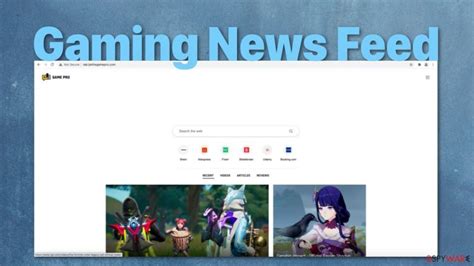
While official channels are crucial, manually checking dozens of sources is inefficient. Gaming news websites and aggregators provide a centralized hub for information across the industry.
- Major Gaming Publications (IGN, GameSpot, PC Gamer, Eurogamer, Polygon): These sites employ journalists who cover a vast array of games, often breaking news and summarizing updates from various official sources. Many offer customizable news feeds or email newsletters.
- Gaming News Apps and RSS Feeds: There are mobile applications designed to aggregate gaming news from multiple sources. Setting up RSS feeds from your favorite news sites or specific game categories can also deliver headlines directly to your preferred reader.

Community-Driven Resources and Content Creators
The gaming community itself is a powerful force for information dissemination, often catching minor updates or discussing implications that official channels might not elaborate on.
- Reddit Subreddits: For almost every major game or gaming genre, there’s a dedicated subreddit. Communities often post and discuss official news, analyze patch notes, and track small updates. r/Games and r/GamingNews are good general sources.
- YouTube and Twitch Content Creators: Many content creators specialize in game news, analysis, and update breakdowns. Subscribing to channels focused on your favorite games or genres can provide timely and often in-depth explanations of changes.

Tools and Best Practices for Efficient Tracking
Beyond individual sources, integrating a few tools and habits can streamline your tracking process.
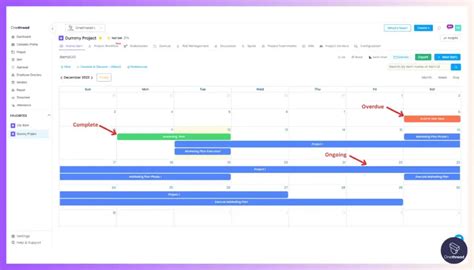
- Personal Calendar Integration: For highly anticipated release dates, add them to your digital calendar (Google Calendar, Outlook Calendar) with reminders. This helps manage personal expectations and planning.
- Notification Management: Enable notifications judiciously for key social media accounts, Discord servers, and game apps. Avoid notification overload by being selective.
- Cross-Referencing: If you hear news from an unofficial source, always cross-reference it with at least one official channel before considering it definitive.
- Dedicated Game Tracking Websites/Apps: While less common for real-time updates, sites like HowLongToBeat or IGDB (Internet Game Database) often list release dates and can be good for an initial lookup, though direct developer news remains supreme for changes.

The Multi-Pronged Approach
Ultimately, the “best” way to track game updates and release date changes isn’t a single solution but a combination of methods. By prioritizing official developer channels, supplementing with reliable news aggregators, engaging with dedicated communities, and employing smart personal tracking tools, you can build a robust system to stay informed and ahead of the curve in the ever-evolving world of gaming. Embrace a multi-pronged approach, and you’ll minimize the chances of being surprised by that sudden delay or unexpected patch.