What’s the core criteria for our Indie Spotlight to maximize game discoverability?

Unlocking Indie Game Potential: Defining Spotlight Success
The indie game market is a vibrant, bustling ecosystem, yet for every breakthrough title, countless others struggle to find their audience. For an “Indie Spotlight” initiative to truly make an impact and maximize game discoverability, it must be built upon a clear, robust set of criteria. These aren’t just about identifying a ‘good’ game; they’re about pinpointing titles with the highest potential to resonate, generate buzz, and ultimately, connect with players who will love them.
Innovation and Unique Selling Proposition (USP)
At the heart of any successful indie game lies a distinct identity. Our primary criterion must be the game’s innovation and its unique selling proposition. Does it offer a novel gameplay mechanic, a never-before-seen art style, a compelling narrative twist, or a fresh take on an existing genre? Games that break molds or execute familiar concepts with exceptional originality are inherently more memorable and shareable. The spotlight should prioritize titles that demonstrate a clear vision and a willingness to push boundaries, providing something genuinely new for players to experience.
This includes assessing not just the initial concept, but how well that unique idea is implemented. A brilliant concept poorly executed will not achieve discoverability. We seek games where the innovation is palpable and contributes meaningfully to the player’s experience.
Polish and Player Experience Readiness
While innovation draws initial attention, polish ensures sustained engagement. A game selected for an Indie Spotlight must demonstrate a high level of technical and experiential polish. This means minimal bugs, intuitive user interfaces, responsive controls, and a cohesive aesthetic. Early access titles might be considered if they show exceptional promise and a clear development roadmap, but generally, the spotlight should highlight games that feel ready for a wider audience.
A frustrating user experience, no matter how innovative the core idea, will quickly deter potential players and critics alike. Our criteria must therefore rigorously evaluate the game’s stability, performance, and overall readiness for public consumption, ensuring that the spotlighted game provides a positive first impression that encourages word-of-mouth promotion.
Engagement Potential and Community Appeal
Discoverability isn’t just about initial exposure; it’s about building a community. We should look for games that possess inherent engagement potential. Does the game encourage discussion, foster creative play, or lend itself to streaming and content creation? Multiplayer elements, strong narrative threads that invite speculation, or highly customizable experiences can significantly boost a game’s long-term discoverability by turning players into advocates.

Furthermore, an active and responsive development team that engages with its community pre- and post-launch can be a massive asset. Games that show evidence of a developing community, whether through Discord servers, social media activity, or successful demo releases, often have a stronger foundation for sustained discoverability.
Marketing Preparedness and Asset Quality
Even the best game needs effective presentation. A key criterion for our Indie Spotlight must be the game’s marketing preparedness. This includes the quality of its trailer, screenshots, store page description, and press kit. Are these assets compelling, professional, and accurately reflective of the game? Do they clearly communicate the game’s USP and appeal?
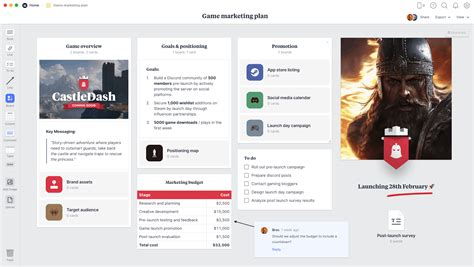
A game might be brilliant, but if its public-facing materials fail to capture that brilliance, its discoverability will be severely hampered. The spotlight should favor games whose developers have invested in strong visual and textual marketing materials that can immediately grab attention and convey value.
Passion, Vision, and Developer Story
Finally, and perhaps most subtly, the passion and vision of the development team itself play a crucial role. While harder to quantify, a clear, articulate vision for the game’s future and a compelling developer story can resonate deeply with both players and the media. This isn’t about sob stories, but about genuine enthusiasm, commitment, and a unique perspective that shines through the game and its creators.
Highlighting games from developers with a strong, authentic voice can add a human element to the spotlight, making the featured games more relatable and their journey more compelling to follow. This often translates into better media coverage and stronger community bonds.
Conclusion: A Holistic Approach to Visibility
Maximizing game discoverability through our Indie Spotlight requires a holistic evaluation, moving beyond mere surface-level appeal. By focusing on innovation, polish, engagement potential, marketing preparedness, and the genuine passion of developers, we can identify titles that not only deserve attention but are also best positioned to leverage that attention into lasting success. These core criteria ensure that our spotlight truly illuminates games with the greatest potential to capture hearts, minds, and market share in the bustling world of indie gaming.