What’s the most effective daily training routine for aspiring esports pros?

The Multifaceted Path to Esports Stardom
Aspiring esports professionals often envision endless hours of competitive gaming, but the reality of a truly effective training routine is far more structured and holistic. To reach the pinnacle of competitive play, raw talent must be honed by discipline, strategic development, and a strong foundation of physical and mental well-being. It’s not just about playing; it’s about deliberate practice.
Core In-Game Practice: Sharpening Skills and Strategy
The bulk of an esports pro’s day is dedicated to in-game activity, but even this is broken down into specific segments.
1. Warm-up and Mechanical Drills
Just like traditional athletes, esports players need to warm up. This includes aim trainers (for FPS games), micro-management drills (for RTS), or specific combo practice (for fighting games). These sessions are crucial for muscle memory, reaction time, and hand-eye coordination.
2. Scrims and Team Practice
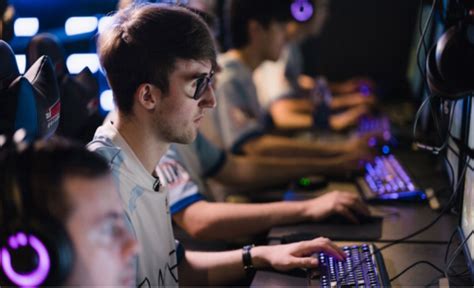
This is where strategic play, communication, and team synergy are developed. Scrims (scrimmages) against other high-level teams provide real-time competitive scenarios, allowing teams to test strategies, learn from mistakes, and adapt to different playstyles. Each scrim is followed by a discussion or debrief.
3. Ranked Play / Solo Queue
While often less structured than scrims, ranked play allows pros to maintain individual mechanical skill, experiment with new champions or tactics in a live environment, and keep their competitive edge sharp. It’s a test of individual performance under pressure.
The Analytical Edge: VOD Review and Game Study
The difference between good and great often lies in the ability to learn from past performance. Video-on-demand (VOD) review is non-negotiable.
1. Self-Review
Players meticulously review their own gameplay to identify personal misplays, positioning errors, missed opportunities, and areas for improvement. This self-critical analysis is vital for individual growth.
2. Team VOD Review
Teams gather to analyze scrims or tournament matches. This focuses on team-wide strategy, objective control, communication breakdowns, and how to counter opponents effectively. It’s a collective learning process that strengthens team cohesion and understanding.
3. Meta Analysis & Patch Study
Staying current with game updates, patch notes, and the evolving competitive meta is crucial. Pros spend time researching new strategies, item builds, and character changes to ensure they are always ahead of the curve.
Beyond the Screen: Physical and Mental Well-being
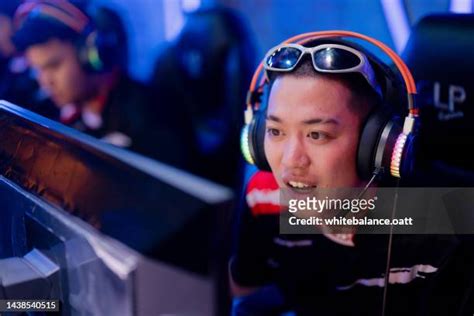
Neglecting physical and mental health is a common pitfall that leads to burnout and decreased performance. A pro’s routine must integrate these elements.
1. Physical Exercise
Regular physical activity (cardio, strength training) improves focus, reduces stress, and enhances overall stamina, which is critical during long tournaments. Even short breaks for stretching or a quick walk can be highly beneficial.
2. Nutrition and Hydration
A balanced diet rich in essential nutrients fuels the brain and body. Proper hydration is also key for maintaining cognitive function and reaction times throughout extended training sessions.
3. Adequate Sleep
Quality sleep is paramount for cognitive function, decision-making, and emotional regulation. Aspiring pros should aim for 7-9 hours of uninterrupted sleep nightly to ensure peak performance.
4. Mental Health and Breaks
Scheduled breaks are essential to prevent mental fatigue. Activities like mindfulness, meditation, or simply engaging in hobbies outside of gaming can help refresh the mind and manage stress.
A Sample Daily Schedule Outline
While variations exist, a typical day might look like this:
- Morning (2-3 hours): Warm-up, mechanical drills, solo queue/ranked play.
- Late Morning/Lunch (1-2 hours): Physical exercise, healthy meal, short break.
- Afternoon (3-4 hours): Team scrims, focused team practice.
- Late Afternoon (1-2 hours): Team VOD review, individual VOD review, game study.
- Evening (2-3 hours): More solo queue, personal practice, social time, winding down.
- Night: Healthy dinner, relaxation, 7-9 hours of sleep.
This structure emphasizes deliberate practice, analytical review, and holistic well-being, ensuring that every hour contributes to growth and sustained performance.
Conclusion: Consistency, Discipline, and Adaptability
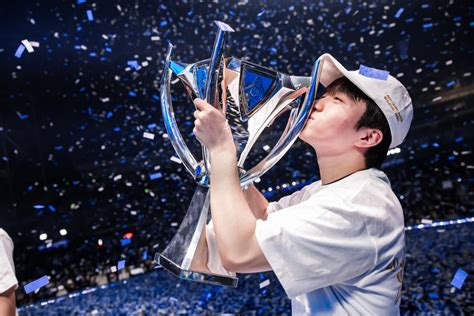
The most effective daily training routine for aspiring esports pros is not static; it requires consistency, unwavering discipline, and the ability to adapt. It’s a demanding schedule that tests not just gaming skill but also mental fortitude and commitment to a healthy lifestyle. By embracing this comprehensive approach, aspiring professionals can build the foundation necessary to not only compete but also to excel and sustain a career at the highest levels of esports.