What’s the most efficient daily practice routine for rapidly improving competitive esports skill?
In the high-stakes world of competitive esports, natural talent alone is rarely enough to ascend to the top. Sustained success and rapid improvement hinge on a meticulously structured daily practice routine. This isn’t just about logging hours; it’s about intelligent, focused, and holistic training that targets every facet of a player’s performance. So, what does an truly efficient routine look like for aspiring esports pros?
The Pillars of Peak Esports Performance
Before designing a schedule, it’s crucial to understand the core components of elite esports skill. Improvement isn’t linear, and it demands attention to multiple areas simultaneously.
Mechanical Skill and Aim Training
This is often the most emphasized aspect – raw dexterity, reaction time, and precision. Whether it’s last-hitting in a MOBA, hitting headshots in an FPS, or executing complex combos in a fighting game, consistent mechanical drills are non-negotiable. Dedicated aim trainers (like Aim Lab or KovaaK’s), custom game drills, and specific hero/champion practice fall into this category.
Strategic Understanding and Game Sense
Beyond clicks and presses, understanding the game at a deeper level is vital. This includes map awareness, resource management, rotation timings, ultimate economy, counter-picking, and adapting to opponent strategies. Game sense is often cultivated through experience, but it can be accelerated through deliberate study.
VOD Review and Learning
One of the most powerful tools for improvement is reviewing your own gameplay (VODs – Video On Demand) and analyzing professional matches. This objective look reveals mistakes you missed in the heat of the moment, identifies recurring bad habits, and highlights optimal play from top-tier players. Learning from both personal errors and pro strategies is a shortcut to understanding.
Crafting Your Daily Practice Schedule
An efficient routine balances these pillars across your training day. Here’s a template for rapid skill acquisition:
1. Warm-Up (15-30 minutes)
Just like any athlete, esports players need to warm up. This isn’t just about getting your hands ready, but also your mind. Start with some light stretches, a quick mental activation exercise (like a puzzle or brain game), followed by mechanical warm-up drills in your game or an aim trainer. Focus on consistency and smooth execution, not just speed.
2. Dedicated Practice Blocks (2-4 hours, broken into sessions)
This is your core training time. Break it into focused blocks rather than one long grind.
- Mechanical Drills (30-60 mins): Targeted practice on specific mechanics – aim, movement, spell casting, specific hero/champion mechanics. Use custom games or training modes.
- Intentional Ranked Play (1-2 hours): Don’t just queue up. Go into ranked games with a specific goal in mind (e.g., improve vision control, perfect a specific flank, track opponent ultimates). Focus on execution, not just winning.
- Team Scrims (if applicable, 1-2 hours): For team-based games, structured scrims against other competitive teams are invaluable for practicing coordination and strategy.

3. Strategic & VOD Review (1-2 hours)
After your practice blocks, step away from live gameplay and analyze. Review your own VODs from the day’s games, focusing on one or two specific areas for improvement. Watch pro player VODs or educational content related to your game. Take notes, identify patterns, and formulate actionable insights for your next session.
4. Cool-Down & Reflection (15-30 minutes)
Wind down your gaming session. This could involve light stretching, a brief walk, or journaling about your practice session – what went well, what didn’t, and what you need to focus on tomorrow. Disconnect from the screen to prevent burnout.
Beyond the Game: Holistic Improvement
True efficiency extends beyond screen time. Your physical and mental state profoundly impacts in-game performance.
Physical Wellness
- Sleep: 7-9 hours of quality sleep is non-negotiable for reaction time, focus, and cognitive function.
- Nutrition: A balanced diet fuels your brain and body, sustaining energy and concentration. Avoid sugary drinks and excessive caffeine.
- Exercise: Regular physical activity improves blood flow to the brain, reduces stress, and enhances overall endurance, preventing fatigue during long sessions.
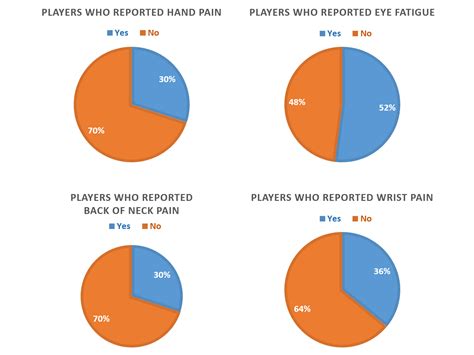
- Ergonomics: A proper setup prevents injury and discomfort, allowing for longer, more comfortable practice sessions.
Mental Fortitude
- Mindset: Cultivate a growth mindset. View losses as learning opportunities, not failures.
- Stress Management: Techniques like deep breathing, meditation, or short breaks can prevent tilt and maintain composure.
- Focus: Practice mindfulness and eliminate distractions during dedicated practice times.
Consistency, Adaptation, and Analytics
The most efficient routine is one you can consistently stick to. Be realistic about your available time and energy. Track your progress using in-game statistics, personal notes, or specialized coaching tools. This data helps you identify areas of improvement and areas that need more attention. As the game meta changes, or as your weaknesses evolve, be prepared to adapt your routine. The journey to esports mastery is continuous learning and refinement.
Conclusion: Your Path to Esports Mastery
Rapid improvement in competitive esports is not about mindless grinding, but about intelligent, disciplined, and holistic practice. By integrating structured warm-ups, focused mechanical and strategic practice, thorough VOD reviews, and prioritizing physical and mental well-being, players can create a daily routine that consistently pushes their skill ceiling. Commit to consistency, adapt as you learn, and watch your competitive edge sharpen with every deliberate practice session.