What’s the optimal daily training routine for aspiring esports pros?

The path to becoming an esports professional is rigorous, demanding more than just raw talent. It requires a disciplined, multifaceted daily routine that optimizes both in-game skills and overall well-being. This guide outlines the key components of an optimal training schedule designed to elevate aspiring pros to the next level.

The Pillars of Pro Training: In-Game Excellence
At the core of any esports professional’s day is intense, focused in-game practice. This isn’t merely casual play; it’s structured, goal-oriented training.
- Structured Scrims (4-6 hours): Dedicated time for team practice against other high-level teams is invaluable. Scrims are where strategies are tested, communication is refined, and roles are solidified under pressure. Every loss and win provides critical data.
- VOD Review & Analysis (1-2 hours): Post-scrim, teams and individuals must analyze gameplay footage (VODs). This crucial step identifies mistakes, exposes opponent tendencies, and clarifies areas for improvement. Self-correction and learning from past performances are paramount.
- Targeted Solo Queue/Drills (2-3 hours): Beyond team play, individual mechanics and specific skill sets need constant refinement. This might involve high-elo solo queue games to maintain sharp individual performance, or custom game drills focusing on aim, last-hitting, or movement techniques. The key is purposeful practice, not aimless grinding.
Beyond the Game: Physical and Mental Conditioning
What happens away from the screen is just as important as what happens on it. Physical and mental health directly impact reaction time, focus, and endurance.
- Physical Exercise (1 hour): Regular physical activity, whether it’s cardio, strength training, or even a brisk walk, is essential. It improves blood flow to the brain, reduces the risk of repetitive strain injuries, and boosts overall energy levels.
- Nutrition and Hydration: A balanced diet rich in whole foods and consistent hydration are non-negotiable. Proper fuel sustains cognitive function, prevents energy crashes, and maintains alertness during long sessions.
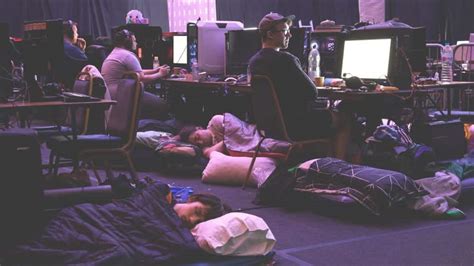
- Adequate Sleep (7-9 hours): This is perhaps the most critical component. Quality sleep directly impacts reaction time, memory consolidation, decision-making, and emotional regulation. A consistent sleep schedule is vital.

Cultivating Mental Fortitude and Strategic Acumen
Esports is as much a mental game as it is a mechanical one. Pros must be resilient, focused, and adaptable.
- Mindfulness & Stress Management (30-60 minutes): Techniques like meditation, deep breathing exercises, or simply quiet reflection can significantly improve focus, reduce tilt, and manage the high-pressure environment of competitive play.
- Strategic Study & Meta Analysis (1 hour): Dedicate time to staying ahead of the curve. This involves researching game updates, analyzing new patches, understanding hero/champion changes, and studying the current professional meta to identify emerging strategies.
- Communication & Teamwork Drills: If part of a team, specific exercises to improve callouts, non-verbal cues, and conflict resolution are crucial for cohesive play.

The Importance of Balance and Recovery
Burnout is a significant threat in esports. An optimal routine incorporates time for rest, hobbies, and social interaction to prevent mental and physical exhaustion.
- Scheduled Breaks: Integrate short breaks (5-10 minutes every hour) during intense gaming sessions and longer breaks (30-60 minutes) between major blocks of training. Step away from the screen, stretch, or do something non-game related.
- Hobbies & Social Interaction: Pursuing interests outside of gaming and maintaining a healthy social life are vital for mental well-being and preventing isolation. This helps reset the mind and offers perspective.
- Coaching & Mentorship: Regularly seeking feedback from a coach or mentor provides an objective perspective on performance and helps identify areas for growth that might be missed during self-analysis.
Conclusion
An optimal daily training routine for an aspiring esports pro is a carefully calibrated balance of intense in-game practice, rigorous physical and mental conditioning, and strategic development. It’s not just about the sheer number of hours played, but the quality, purpose, and diversity of those hours. By adhering to a structured schedule that prioritizes holistic development, aspiring pros can significantly increase their chances of reaching and maintaining peak performance in the demanding world of competitive esports.