What’s the optimal daily training routine for competitive gaming skill improvement?

Building Your Competitive Edge: A Structured Approach
In the high-stakes world of competitive gaming, raw talent alone is rarely enough to reach the pinnacle. Sustainable improvement and consistent performance are forged through discipline, dedication, and, most importantly, a meticulously crafted daily training routine. Unlike traditional sports, the ‘gym’ for an esports athlete is multifaceted, encompassing not just in-game hours but also mental conditioning, physical health, and analytical review. The optimal routine is a balanced blend, designed to sharpen reflexes, deepen strategic understanding, and foster an unwavering competitive mindset.
The Pillars of a Productive Training Day
An effective daily routine doesn’t just involve logging hours; it’s about making every minute count. It typically begins with a crucial warm-up, both physical and mental, to prime the body and mind for intense focus. This might include light stretches, hand exercises, and cognitive warm-up drills in-game or through external aim trainers.
Following the warm-up, dedicated practice is paramount. This phase focuses on isolated skill development. For an FPS player, it could be an hour of aim training; for an MOBA player, practicing last-hitting or specific jungle routes. The goal is deliberate practice, targeting weaknesses identified in previous sessions or VOD reviews.
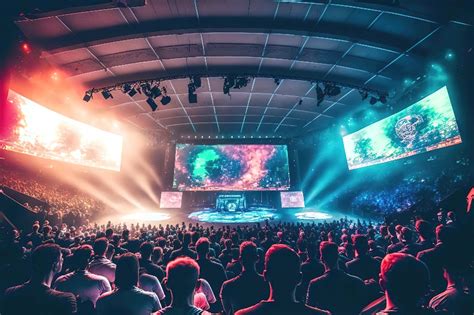
After individual drills, the routine transitions into structured in-game sessions, such as scrims with teammates or high-level ranked play. This is where individual skills are integrated into teamplay and put to the test under pressure. The emphasis here is on execution, communication, and adapting to real-time scenarios.
Beyond the Game: Holistic Performance Enhancement
True optimization extends beyond the game client. A critical component of any elite esports routine is VOD (Video On Demand) review. This analytical phase involves dissecting past gameplay, identifying mistakes, understanding decision-making processes, and learning from both victories and defeats. This often happens individually or as a team, with a coach providing guidance.

Physical fitness and nutrition are often overlooked but are foundational to peak mental performance. Regular exercise improves blood flow to the brain, reduces stress, and enhances stamina for long gaming sessions. A balanced diet provides the necessary fuel, while proper hydration prevents fatigue and maintains cognitive function.
Mental fortitude and regular breaks are equally vital. Competitive gaming is mentally taxing; burnout is a real threat. Integrating short, active breaks (e.g., walking away from the screen, light stretching) and longer periods of downtime helps prevent mental fatigue, maintain focus, and manage stress. Mindfulness and meditation practices can also enhance concentration and emotional regulation.
Crafting Your Ideal Schedule
While specific timings will vary based on individual and team schedules, a general framework might look like this:
- Morning (1-2 hours): Physical workout, healthy breakfast, mental warm-up, individual drills/aim training.
- Late Morning/Early Afternoon (3-4 hours): Team scrims, ranked play, or dedicated practice sessions.
- Mid-Afternoon (1-2 hours): Lunch, active break (e.g., walk, hobby), VOD review (individual or team).
- Late Afternoon/Evening (3-4 hours): More team scrims, strategic discussions, or advanced practice.
- Evening: Dinner, cool-down, light stretching, social time, winding down for sleep.
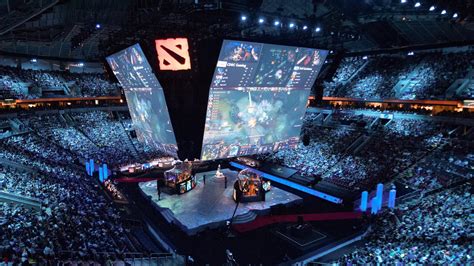
This structure ensures a blend of intense focus, analytical work, physical well-being, and necessary recovery. It’s crucial to remain flexible; a routine should serve the player, not enslave them. Adapting to tournament schedules, team requirements, and personal energy levels is key to long-term success.

Consistency is Key to Long-Term Improvement
The optimal daily training routine for competitive gaming isn’t a one-size-fits-all solution, but its core principles remain constant: structured practice, analytical feedback, physical health, and mental resilience. By consistently adhering to a well-rounded routine, aspiring and professional esports athletes can systematically refine their skills, mitigate weaknesses, and cultivate the sustained performance needed to triumph on the competitive stage.