



What’s the optimal monitor setup for competitive FPS gaming (Hz, resolution)?

In the high-stakes world of competitive FPS gaming, every millisecond counts. Your monitor is a critical component that can significantly impact your reaction time, target acquisition, and overall game performance. Optimizing your monitor setup involves a careful balance of specifications, with refresh rate (Hz) and resolution being paramount.
The Crucial Role of Refresh Rate (Hz)
Refresh rate, measured in Hertz (Hz), dictates how many times your monitor updates the image on screen per second. For competitive FPS gaming, a higher refresh rate is almost universally superior. It results in a smoother, more fluid visual experience, allowing you to see enemy movements more clearly and react faster. The jump from 60Hz to 144Hz is a game-changer, providing a noticeable competitive advantage by reducing motion blur and input lag.
While 144Hz is widely considered the minimum for serious competitive play, many pros are now gravitating towards 240Hz monitors. The difference between 144Hz and 240Hz is less dramatic than 60Hz to 144Hz but still offers a perceptible improvement in responsiveness and visual clarity during rapid camera movements. For the absolute elite, 360Hz+ monitors exist, pushing the boundaries of what’s visually possible, though the diminishing returns become quite significant.

Resolution: Clarity vs. Performance
Resolution refers to the number of pixels displayed on your screen. Common resolutions include 1920×1080 (1080p) and 2560×1440 (1440p). While a higher resolution offers a sharper, more detailed image, it also demands more processing power from your graphics card (GPU). For competitive FPS, performance and frame rate stability often take precedence over visual fidelity.
Most professional FPS players opt for 1080p monitors. This resolution allows their powerful GPUs to consistently push extremely high frame rates (e.g., 240 FPS or more) that can fully utilize their high refresh rate monitors. Running a game at 1080p ensures maximum frames per second, which translates directly to lower input lag and a smoother experience.
While 1440p offers a visually superior experience, maintaining consistently high frame rates (240+ FPS) at this resolution requires an extremely powerful and often costly system. If your primary goal is competitive advantage and you’re not streaming or creating content, 1080p remains the gold standard.

Panel Type and Response Time
Beyond refresh rate and resolution, panel type and response time are critical. The three main panel types are TN (Twisted Nematic), IPS (In-Plane Switching), and VA (Vertical Alignment).
- TN Panels: Historically known for the fastest response times and highest refresh rates, making them a favorite for competitive gamers. However, they typically have poorer color accuracy and viewing angles.
- IPS Panels: Offer excellent color accuracy and wide viewing angles, making them great for general use and content creation. Modern IPS panels have significantly improved response times, with many competitive gaming monitors now using fast IPS technology.
- VA Panels: Provide superior contrast ratios, leading to deep blacks. Their response times are generally slower than TN or fast IPS, making them less ideal for hardcore competitive FPS where ghosting can be an issue.
Response time, usually measured in milliseconds (ms), indicates how quickly pixels can change color. A lower GtG (Grey-to-Grey) response time (1ms or less) is crucial to minimize motion blur and ghosting, ensuring that fast-moving objects appear clear on screen.

Other Essential Considerations
- Input Lag: Separate from response time, input lag is the delay between your input (mouse click, keyboard press) and the action appearing on screen. Monitors with low input lag are paramount.
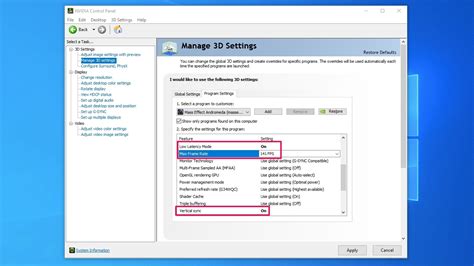
- Adaptive Sync (G-Sync/FreeSync): These technologies synchronize your monitor’s refresh rate with your GPU’s frame rate, eliminating screen tearing and stuttering. While beneficial, some competitive players disable them to ensure the absolute lowest possible input lag, preferring to manage tearing through high frame rates.
- Screen Size: For competitive play, 24-inch or 25-inch monitors are most common. This size allows your eyes to take in the entire screen without excessive head movement, keeping all critical information within your central vision.
- Aspect Ratio: 16:9 is the standard and recommended aspect ratio for competitive FPS.
Balancing Performance and Budget
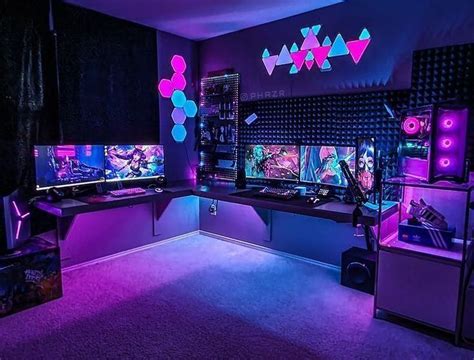
For the optimal competitive FPS monitor setup, aim for a 24-inch or 25-inch 1080p monitor with a refresh rate of at least 144Hz (preferably 240Hz) and a 1ms GtG response time, ideally with a fast IPS or TN panel. Ensure your GPU can consistently deliver frame rates that match or exceed your monitor’s refresh rate.
While the top-tier 360Hz+ monitors exist, the sweet spot for performance-to-price ratio currently lies with high-quality 240Hz 1080p monitors. This setup provides a significant competitive advantage without breaking the bank and allows your system to perform at its peak.
Conclusion: Your Competitive Edge
The optimal monitor setup for competitive FPS gaming prioritizes speed and responsiveness above all else. A high refresh rate (144Hz to 240Hz+), 1080p resolution for maximum frame rates, and a rapid 1ms response time are non-negotiable. Combined with a suitable panel type and minimal input lag, these specifications will give you the visual clarity and reaction time needed to consistently outperform your opponents and climb the ranks.