What’s the optimal training split for competitive players: solo queue vs. team scrims?

The Perpetual Dilemma: Individual Brilliance vs. Coordinated Might
For aspiring and established competitive esports players, the question of how to best allocate precious training time is a constant source of debate. Should you immerse yourself in the chaotic yet skill-testing environment of solo queue, or dedicate every available hour to the structured, strategic battlefield of team scrims? Both have undeniable merits, contributing uniquely to a player’s growth, but an optimal training split requires understanding their distinct advantages and disadvantages.
Ultimately, a successful competitive player needs both sharp individual mechanics and seamless team cohesion. The challenge lies in finding the synergy between these two seemingly disparate training methods to maximize overall performance.
Solo Queue: The Crucible of Individual Skill
Solo queue is often perceived as the grindstone of individual talent. It forces players into diverse, unpredictable scenarios, demanding adaptability, quick decision-making, and robust mechanical execution. In this environment, every player is largely responsible for their own success, fostering a strong sense of accountability and the ability to carry games through sheer individual prowess.
Advantages of Solo Queue:
- Mechanical Skill Refinement: Constant direct engagement hones reaction time, aiming, spell execution, and movement.
- Adaptability and Problem Solving: Players learn to adjust to varied team compositions, playstyles, and unexpected in-game situations without pre-planned strategies.
- Deepening Game Knowledge: Exposure to a wider range of matchups and meta trends helps players understand the nuances of their role and the game at large.
- Individual Responsibility: It builds confidence in carrying games and making impactful plays independently.
Disadvantages of Solo Queue:
- Lack of Coordinated Practice: While good for individual skill, it doesn’t adequately prepare players for synchronized team movements, objective control, or intricate strategic execution.
- Potential for Bad Habits: The absence of consistent communication and structured play can lead to developing habits that are detrimental in a team setting.
- Toxicity and Frustration: The often-unpredictable nature of teammates can lead to mental fatigue and a less productive learning environment.

Team Scrims: The Laboratory of Strategy
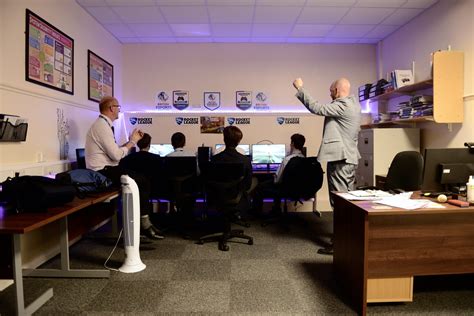
Team scrims are where individual skills are woven into the fabric of a cohesive unit. This is where strategies are tested, communication protocols are refined, and players learn to operate as a single, interdependent entity. Scrims are essential for building the muscle memory of coordinated play that is critical for high-level competitive success.
Advantages of Team Scrims:
- Strategic Execution and Coordination: Players practice team rotations, objective calls, engage timings, and intricate team fight strategies.
- Communication Refinement: It’s the primary environment for developing clear, concise, and effective in-game communication.
- Role Specialization and Synergy: Players learn to understand their specific role within the team’s overall strategy and how to best synergize with their teammates.
- VOD Review Integration: Scrims provide structured replay data that can be meticulously reviewed to identify mistakes, improve execution, and develop new tactics.
Disadvantages of Team Scrims:
- Limited Individual Practice: Less focus on raw individual mechanics as the emphasis shifts to team play.
- Reliance on Team Availability: Scheduling can be challenging, potentially limiting the frequency of practice.
- Specific Meta Bubble: Teams might get too comfortable playing against similar strategies or within a specific meta, potentially reducing adaptability.
Finding the Optimal Split: A Dynamic Approach
There is no one-size-fits-all answer, as the optimal split depends heavily on the player’s current skill level, role, the team’s current phase (e.g., pre-season vs. mid-tournament), and the specific game being played. However, a balanced and dynamic approach is generally recommended.
General Guidelines:
- Early Season/Individual Focus: When a team is new or individual players need to polish their mechanics, a 60-40 split favoring solo queue might be beneficial. This allows players to sharpen their personal toolkit before integrating it into team play.
- Mid-Season/Team Focus: As a tournament approaches or team synergy is paramount, shifting to a 70-30 or even 80-20 split favoring scrims is often ideal. This maximizes coordinated practice, strategic development, and communication refinement.
- Role-Specific Adjustments: Roles that require higher mechanical prowess (e.g., ADC in MOBAs, Duelist in FPS) might lean slightly more into solo queue, while strategic roles (e.g., Shot-caller, Support) might prioritize scrims for macro understanding.
- Breaks and Mental Health: Don’t underestimate the importance of breaks. Both solo queue and scrims can be mentally draining. Incorporate downtime or fun, low-stakes gaming sessions.
Crucially, both forms of training should be complemented by rigorous VOD (Video on Demand) review. Solo queue VODs help identify individual mechanical errors and decision-making flaws, while scrim VODs are invaluable for dissecting team strategies, communication breakdowns, and overall execution.
Conclusion: The Synergy of Practice
The optimal training split for competitive players isn’t a rigid formula but a fluid strategy that evolves with the player and team’s needs. Solo queue provides the raw individual skill and adaptability, forging a player’s personal prowess. Team scrims, on the other hand, mold these individual talents into a cohesive, strategic force, essential for success at the highest levels of competition. By understanding the strengths and weaknesses of each and consciously adjusting the balance, competitive players can build a comprehensive training regimen that maximizes both individual potential and collective triumph.