When scoring game reviews, how to best factor in microtransactions & mandatory DLC?
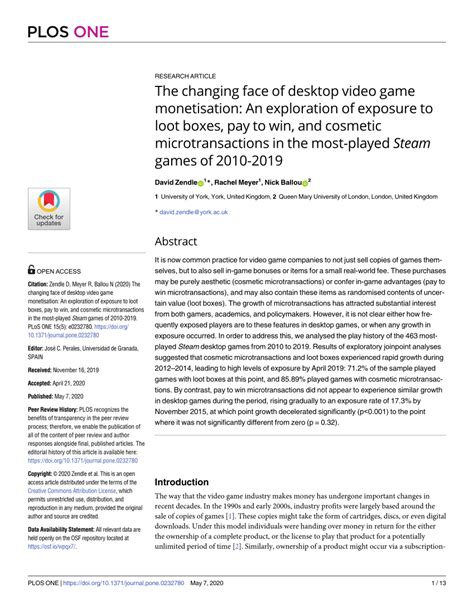
The Evolving Challenge of Modern Game Monetization
The gaming industry has profoundly shifted, with microtransactions (MTX) and downloadable content (DLC) becoming ubiquitous elements in many titles. For game reviewers, this presents a unique dilemma: how do you accurately assess a game’s value, quality, and overall experience when significant portions of content or quality-of-life improvements are locked behind additional paywalls, or when the core experience is intentionally designed to push players towards further spending? This isn’t just about a game’s initial price tag; it’s about the long-term cost, ethical implications, and impact on player enjoyment.
Integrating these factors into a review score is crucial for maintaining journalistic integrity and serving the audience. Reviewers are often seen as consumer advocates, and ignoring predatory monetization practices or mandatory content expansions would be a disservice. However, finding a standardized, fair, and consistent method remains a hot topic of debate within the industry.
Understanding the Different Forms of Monetization
Before deciding how to factor them in, it’s essential to differentiate between the various types of MTX and DLC, as their impact on a game’s value can vary wildly:
- Cosmetic Microtransactions: Purely aesthetic items (skins, emotes) that don’t affect gameplay. Often seen as benign, especially in free-to-play titles.
- Convenience Microtransactions: Items that speed up progress or remove grind (XP boosters, resource packs). Can be problematic if the base game is deliberately tedious without them.
- Pay-to-Win Microtransactions: Items or upgrades that give players a distinct competitive advantage. Generally considered the most egregious form, heavily impacting fairness and competitive balance.
- Story Expansions (DLC): Substantial new content, characters, and storylines. Can be excellent value if well-made, but contentious if essential story elements are carved out of the base game.
- Cosmetic DLC Packs: Similar to cosmetic MTX but often bundled and released post-launch.
- Mandatory or Day-One DLC: Content that feels like it should have been part of the base game, either released immediately or shortly after launch, sometimes even on the disc. This raises questions about the completeness of the initial purchase.
Each of these categories requires a different lens through which to evaluate its influence on the overall game experience and, consequently, the review score.

Strategies for Incorporating Monetization into Reviews
1. Direct Score Deduction
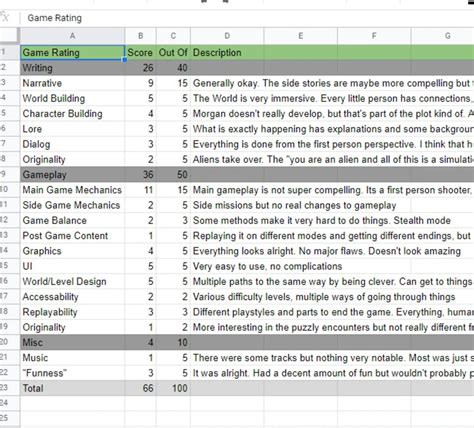
One straightforward approach is to directly deduct points from the overall score based on the severity and impact of MTX/DLC. For example, egregious pay-to-win mechanics might warrant a significant deduction, while minor cosmetic options in a full-price game might lead to a smaller penalty. The challenge here is establishing a consistent rubric: how many points for a battle pass, versus a crucial story expansion sold separately?
2. Dedicated Section or Sub-Score
Many reviewers opt for a dedicated section within the review discussing the monetization strategy. Some even include a separate sub-score for ‘Value’ or ‘Monetization Practices.’ This allows readers to see how these elements were assessed independently of gameplay or graphics, providing transparency without necessarily skewing the primary gameplay score too heavily.
3. Emphasizing Impact on Overall Experience
Rather than a direct point deduction, reviewers can focus on how MTX/DLC impact the overall player experience, integrating this discussion throughout the review. For instance, if a game’s progression feels artificially slowed to encourage purchases, that would naturally lower the ‘Gameplay’ or ‘Longevity’ score. If a story feels incomplete without paid expansions, it impacts the ‘Narrative’ score.
Key Considerations for Reviewers
- Context is King: A free-to-play game with cosmetic MTX is different from a full-price AAA title with predatory loot boxes. The initial purchase price and genre significantly influence how monetization should be judged.
- Transparency: Reviewers should clearly state what monetization exists, its cost, and its impact. Readers need to understand the full financial commitment.
- Ethical Implications: Does the monetization exploit addictive behaviors? Is it targeting vulnerable players? These ethical considerations should be weighed heavily.
- Value Proposition: Does the game offer sufficient content and enjoyment for its initial price, even with optional purchases? Or does it feel like a demo for a much larger, more expensive experience?
- Future-Proofing: How likely are these monetization practices to affect the game’s long-term health and community?

Striking a Balance for Fair Assessment
Ultimately, there’s no single perfect formula for factoring microtransactions and mandatory DLC into game reviews. The most effective approach often involves a combination of strategies: a clear, qualitative discussion within the review body, addressing the ethical and experiential impact, coupled with a transparent statement on how these elements influenced the final score. Whether it’s a direct deduction, a separate category, or an integrated critique, the goal remains the same: to provide a comprehensive, honest assessment that empowers consumers to make informed purchasing decisions.
The discourse around game monetization continues to evolve, and so too must the methodologies of game critics. Adaptability, transparency, and a steadfast focus on the consumer’s best interest will remain paramount in navigating this complex landscape.