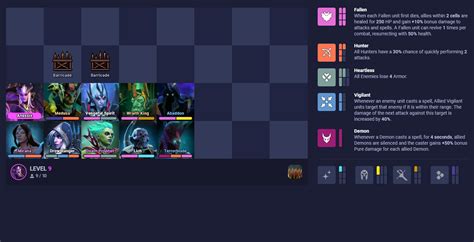
When should I pivot from a top-tier meta build to an off-meta counter in PvP?

The Eternal PvP Dilemma: Meta vs. Counterplay
In the fiercely competitive world of player-versus-player (PvP) gaming, the choice of your build can often dictate the outcome of a match. Most players gravitate towards “top-tier meta builds” – configurations that are widely recognized as powerful, efficient, and statistically strong against a broad spectrum of opponents. These builds offer reliability and a high baseline of performance, making them the default choice for anyone serious about climbing the ranks.
However, the meta is a double-edged sword. While it provides a strong foundation, it also fosters predictability. Opponents learn to play against common meta builds, developing strategies and even specific builds designed to exploit their weaknesses. This is where the concept of the “off-meta counter” emerges: a specialized build designed not for general strength, but to specifically dismantle a popular meta strategy.

The Power and Pitfalls of Top-Tier Meta Builds
Meta builds achieve their status for good reason. They often combine optimal gear, abilities, and stats to create a synergistic powerhouse. They are battle-tested, refined by countless players, and typically have a high win rate across the board. Sticking to a meta build allows you to focus on execution and game sense, rather than constantly second-guessing your setup.
Yet, no build is truly invincible. Every meta build has its inherent weaknesses or specific matchups it struggles against. These vulnerabilities, while minor against a diverse field, can be catastrophic when exploited by a dedicated counter. The more dominant a meta build becomes, the more players will invest time into finding and perfecting its foil. Your reliable meta build can become a predictable target if you’re not aware of its inherent vulnerabilities.
When to Consider the Off-Meta Shift
Pivoting to an off-meta counter isn’t about abandoning a good build; it’s about strategic adaptation. Here are key indicators that suggest it might be time to consider a pivot:
- Consistent Losses to Specific Archetypes: If you find yourself repeatedly losing to a particular build or playstyle that your meta build struggles against, it’s a clear signal. For instance, if your melee-focused meta build consistently gets kited and defeated by ranged spellcasters, a pivot might be necessary.
- Opponent’s Adaptive Play: Are your opponents seemingly always one step ahead, countering your predictable rotations or attack patterns? This indicates they’ve learned how your meta build operates and are actively exploiting its weaknesses.
- Hard-Counter Match-ups Become Prevalent: As you climb the ranks, certain hard-counter matchups for your meta build might become more common. When your win rate against a specific build drops significantly, an off-meta counter designed for that matchup becomes invaluable.
- Specific Game Mode or Map Advantages: Sometimes, the environment itself can dictate a pivot. Certain maps or game modes might heavily favor ranged combat, high mobility, or specific utility that your meta build lacks, making an off-meta option more suitable.
Analyzing the Battlefield and Opponent
Effective pivoting requires more than just reacting to losses; it demands proactive analysis. Utilize pre-game scouting tools, if available, to identify your opponent’s primary build or strategy. During the match, pay close attention to their opening moves, their core damage type, crowd control abilities, and defensive cooldowns. This real-time information can confirm whether an off-meta counter is indeed the optimal choice.
For example, if your meta build excels against burst damage but you notice your opponent is stacking damage-over-time effects and heavy healing, a pivot to an off-meta build focused on sustain and cleanse might turn the tide. The key is to quickly identify the opponent’s win condition and select a build that directly disrupts it.

Mastering the Off-Meta Counter
Successfully pivoting isn’t just about selecting a new build; it’s about mastering it. Off-meta counters often require a deeper understanding of game mechanics, precise execution, and a willingness to operate outside of typical play patterns. They might be less forgiving than meta builds, demanding more skill and knowledge to extract their full value.
Before deploying an off-meta counter in a crucial match, dedicate time to practice. Understand its core synergies, its win conditions, and its own weaknesses. A poorly executed counter build can be worse than a well-played meta build. Furthermore, remember that off-meta doesn’t mean universally good. A build that counters one meta strategy might be extremely vulnerable to another, so context is always crucial.

Conclusion: The Art of Adaptation
Knowing when to pivot from a top-tier meta build to an off-meta counter is a hallmark of a truly skilled PvP player. It moves beyond simply following the crowd and embraces dynamic, intelligent decision-making. It requires deep game knowledge, critical self-assessment of your own build’s performance, and an acute ability to read your opponents.
Embracing this adaptive mindset not only improves your win rate but also deepens your understanding of the game. It transforms you from a player who relies on the meta into a player who shapes it, capable of exploiting its predictability and pioneering new ways to achieve victory in the ever-evolving landscape of PvP combat.