Which gaming headset offers best positional audio for competitive FPS?

In the high-stakes world of competitive First-Person Shooters (FPS), every advantage counts. While aim, reflexes, and map knowledge are paramount, an often-underestimated factor is audio. Specifically, exceptional positional audio can mean the difference between anticipating an enemy’s move and being caught off guard. Hearing footsteps, reloads, and abilities with pinpoint accuracy allows players to react faster, gain crucial information, and ultimately climb the ranks.
The Crucial Role of Positional Audio
Positional audio refers to a headset’s ability to accurately convey the direction and distance of sounds within a virtual 3D space. For FPS games like CS:GO, Valorant, Warzone, or Apex Legends, this means clearly discerning whether an opponent is above or below you, to your left or right, and how far away they are. A headset that excels in this area provides a significant tactical edge, transforming subtle audio cues into actionable intelligence.

Key Factors Influencing Positional Audio Excellence
Several elements contribute to a headset’s ability to deliver superior positional audio:
- Driver Quality and Tuning: High-quality drivers with precise tuning are essential for reproducing distinct sound frequencies accurately. A balanced sound profile, without overly boosted bass or treble, ensures that critical mid-range sounds (like footsteps) aren’t masked.
- Soundstage: This refers to the perceived spaciousness and “width” of the sound. A wider soundstage allows for better separation of sounds, making it easier to distinguish individual audio sources and their positions. Open-back headsets generally offer a wider soundstage than closed-back ones.
- Imaging: Imaging is the headset’s ability to precisely place individual sounds within that soundstage. Good imaging means you can clearly identify the exact location of a sound source.
- Software and Virtual Surround Sound: While some headsets boast virtual 7.1 surround sound, its effectiveness for competitive FPS is debated. Pure stereo often offers better, more accurate positional audio as game engines are designed to output stereo with spatial cues. High-quality virtual surround can sometimes enhance immersion, but for competitive accuracy, a well-tuned stereo profile is often preferred.
Top Contenders for Superior Positional Audio
When searching for a headset that delivers an elite auditory experience for competitive FPS, certain models consistently rise to the top:
EPOS | Sennheiser PC38X / H6PRO (Open & Closed)
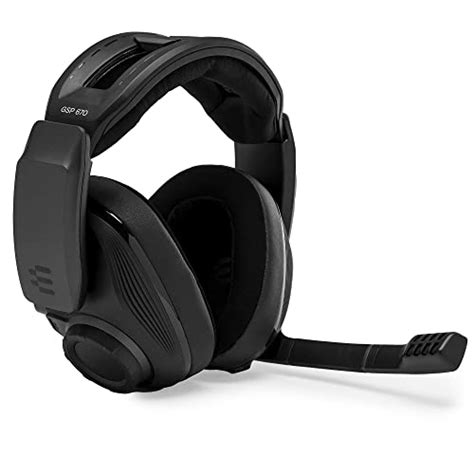
The EPOS | Sennheiser lineage is legendary for its open-back designs, and the PC38X is a prime example. Its expansive soundstage and incredibly accurate imaging make it a favorite among pros. Sounds are crisp, clear, and perfectly placed. The H6PRO offers both open and closed-back versions, providing flexibility for different environments while maintaining EPOS’s audio fidelity.
Beyerdynamic DT 990 Pro / DT 770 Pro (with Amp/DAC)
Though not strictly “gaming” headsets, Beyerdynamic’s studio headphones, particularly the open-back DT 990 Pro (for soundstage) and closed-back DT 770 Pro (for isolation), are revered for their analytical sound and excellent imaging. They require an external DAC/amp, but the investment often pays off in unparalleled audio clarity and positional accuracy.
Audeze Maxwell
A relatively newer but highly acclaimed entry, the Audeze Maxwell uses planar magnetic drivers, known for their incredible detail, clarity, and fast transient response. This translates to exceptional positional audio, allowing players to hear even the most subtle cues with precision. It offers both wired and wireless options, making it versatile.
SteelSeries Arctis Nova Pro Wireless / Wired
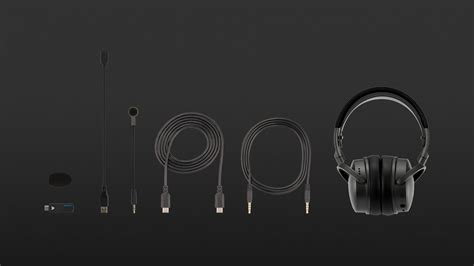
The SteelSeries Arctis Nova Pro line offers a premium package with excellent sound quality, comfort, and features like active noise cancellation. While their default tuning might be slightly bass-heavy for some, their soundstage and imaging are very good, and they offer extensive EQ customization to fine-tune the audio for competitive play.
HyperX Cloud Alpha / Cloud II
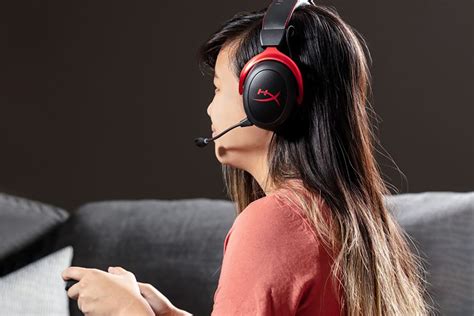
For those on a tighter budget, the HyperX Cloud Alpha and Cloud II remain solid choices. They offer a balanced sound profile, decent soundstage, and reliable positional audio for their price point, making them popular among a wide range of gamers.
Open-Back vs. Closed-Back: A Critical Choice
Understanding the difference between these two designs is paramount for competitive FPS:
- Open-Back Headsets: These have earcups with perforations, allowing sound to leak in and out. This creates a more natural, spacious, and “airy” soundstage, akin to listening to speakers in a room. This wider soundstage often translates to superior positional audio and less pressure build-up on the ears, making them comfortable for long sessions. The downside is a lack of sound isolation, meaning you’ll hear your environment, and those around you will hear your game.
- Closed-Back Headsets: These have sealed earcups, offering excellent sound isolation. They block out ambient noise and prevent your game audio from disturbing others. While they provide a more intense, bass-heavy sound, their soundstage is generally narrower, and sound can feel more “in your head.” This can sometimes make positional audio slightly less precise compared to their open-back counterparts, though high-quality closed-backs can still be very good.
For competitive FPS in a quiet environment, open-back is often preferred for its superior soundstage and imaging. If you play in a noisy environment or require privacy, a good closed-back headset is necessary.

Conclusion: Finding Your Positional Advantage
Choosing the best gaming headset for positional audio in competitive FPS boils down to a combination of factors: audio fidelity, soundstage, imaging, and your personal environment. While high-end options like the EPOS | Sennheiser PC38X or Audeze Maxwell often lead the pack for pure positional accuracy, excellent alternatives exist across various price points.
Remember that the “best” is subjective and can depend on your specific game, hearing, and setup. Prioritize a balanced sound profile, a wide soundstage, and clear imaging. Experiment with in-game audio settings and consider whether an open-back or closed-back design suits your playing conditions best. With the right headset, you’ll not only hear your opponents but predict their every move, turning audio cues into decisive victories.