



Which Indie Spotlight format best boosts discoverability and player engagement for small games?
Navigating the Crowded Market: The Indie Game Developer’s Challenge
The indie game landscape is a vibrant, creative ecosystem, yet it’s also a fiercely competitive battleground. For small development teams, the biggest hurdles often aren’t just about creating a brilliant game, but getting it noticed. Discoverability and fostering genuine player engagement are paramount. With countless titles releasing daily, how can an indie game truly shine? The answer often lies in strategically leveraging various “Indie Spotlight” formats. But which ones yield the best results for a small team with limited resources?
Curated Features and Editorial Spotlights: The Golden Ticket
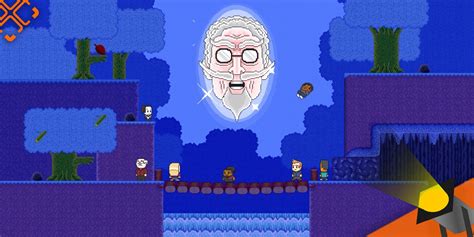
One of the most coveted forms of discoverability comes from official platform features (like Steam’s front page, Nintendo eShop highlights, or Epic Games Store spotlights) and editorial coverage from major gaming websites or influential reviewers. These spots offer immense visibility, lending a game significant legitimacy and driving substantial traffic.
Pros: High impact, broad reach, often perceived as an endorsement, direct sales boost.
Cons: Extremely difficult to secure, highly competitive, often requires strong PR, less control over messaging once featured.
While challenging to obtain, a well-placed curated feature can be a game-changer. Developers should focus on crafting a compelling press kit, networking with journalists, and building a strong initial buzz to increase their chances.
Live Stream and Video Content Spotlights: Interactive Engagement
The rise of platforms like Twitch and YouTube has ushered in an era where live streams, gameplay videos, and developer interviews are powerful discovery tools. Influencers and content creators often act as new gatekeepers, introducing games to their dedicated audiences.
Pros: Highly engaging and interactive, showcases gameplay dynamically, builds a direct connection with players, potential for viral spread through clips and shares.
Cons: Relies on the personality of the creator, attention can be transient, requires a visually appealing or entertaining game, ongoing effort to secure coverage.
Working with streamers and YouTubers can provide authentic exposure. Small studios can send out review keys, engage with content creators whose audience aligns with their game, or even host their own developer streams to showcase their work and interact directly with potential players.
Community-Driven Spotlights: Building a Loyal Base
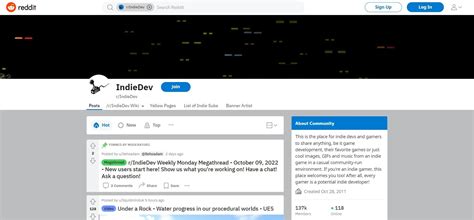
Beyond traditional media, organic, community-led initiatives can be incredibly potent. This includes engaging on platforms like Reddit (AMAs, dedicated subreddits), Discord servers, participating in or hosting game jams, and encouraging user-generated content.
Pros: Fosters a deeply loyal and engaged community, organic word-of-mouth marketing, cost-effective, provides valuable feedback, long-term discoverability through fan advocacy.
Cons: Slower build, less initial mass reach compared to platform features, requires consistent effort and active moderation, relies on the community’s passion.
For small studios, building a strong community around their game is perhaps the most sustainable long-term strategy. It’s about nurturing relationships, being transparent, and empowering players to become advocates for your game.

Event-Based Spotlights: Digital Showcases and Conventions
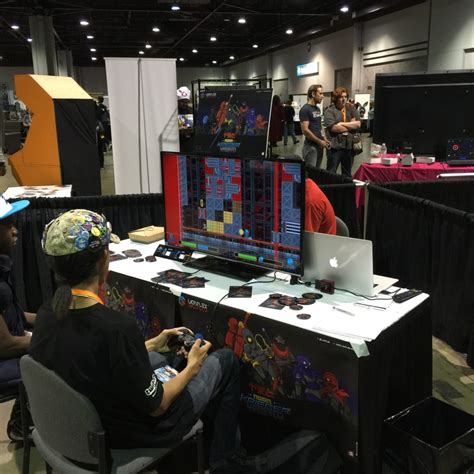
Participating in online digital showcases (like Steam Next Fest, Summer Game Fest, or The Game Awards’ ‘Future Class’) and physical conventions (PAX, Gamescom, smaller local expos) provides concentrated opportunities for exposure and networking.
Pros: High-density exposure to press and players, valuable networking with industry peers, focused attention during the event period, generates immediate buzz and wishlists.
Cons: Often expensive, time-consuming, competitive, requires a polished demo, significant logistical planning for physical events.
Digital festivals have democratized access to event-based spotlights, making them more accessible for smaller teams. They offer excellent opportunities for demo-driven wishlists and direct player feedback. Physical events, while more demanding, provide invaluable face-to-face interactions and potential for high-profile media coverage.
The Hybrid Approach: Tailoring Your Strategy
Ultimately, there isn’t a single “best” Indie Spotlight format. The most effective strategy usually involves a hybrid approach, carefully selected and tailored to your game’s genre, target audience, development stage, and available resources. A captivating trailer shared on social media, followed by a demo in Steam Next Fest, leading to outreach to a relevant streamer, and culminating in a post-launch AMA on Reddit, could be a highly effective sequence.
Key considerations include:
- Understand Your Game: What makes it unique? Who is its core audience?
- Resource Allocation: What can you realistically afford in terms of time and money?
- Timing: When in your development cycle is each format most impactful?
- Consistency: Maintain a consistent presence and message across all chosen channels.
No matter the format, a strong foundational element is a compelling game that stands out. Coupled with a clear understanding of your marketing goals and a willingness to experiment, small games can significantly boost their discoverability and foster genuine, lasting player engagement.