Which specific game metrics help our Indie Spotlight find hidden gems?

The indie game market is a vast ocean, teeming with thousands of new releases annually. For our “Indie Spotlight,” the mission isn’t just to highlight any indie game, but to unearth those truly exceptional “hidden gems” that might otherwise get lost in the noise. This requires looking beyond superficial popularity and diving deep into the data that reveals a game’s true potential and player satisfaction. What specific metrics, then, guide our search for these diamonds in the rough?
Beyond the Hype: Why Traditional Metrics Fall Short
Initial sales figures, download counts, or even brief trending spots can be misleading. A game might have a strong launch fueled by marketing, only to see its player base evaporate quickly. True “gems” are defined by their ability to captivate and retain players long-term. This means our focus shifts from short-term spikes to sustained engagement and qualitative indicators.

The Core Pillars: Player Retention & Engagement
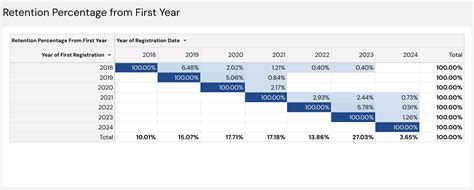
These are arguably the most critical indicators. We look for games that demonstrate strong Day 1 (D1), Day 7 (D7), and Day 30 (D30) retention rates. High retention signifies that players are not just trying the game, but enjoying it enough to keep coming back.
Equally important are metrics like average session length and total playtime. A game where players consistently log in for extended periods suggests deep engagement and satisfaction with its core loop and content. We also analyze feature usage – what elements are players interacting with most, and for how long? Are they exploring all aspects of the game, or just rushing through?
The Voice of the Community: Reviews and Sentiment Analysis
While star ratings are a quick glance, the actual content of player reviews offers invaluable insight. We employ sentiment analysis tools to identify recurring positive themes (e.g., “innovative gameplay,” “compelling story,” “bug-free experience”) and addressable negatives. A game with a passionate, active community across forums, Discord servers, and social media is a strong signal of a gem, indicating players are invested beyond just playing—they’re discussing, sharing, and advocating. Organic mentions and positive buzz are more telling than paid promotions.
![How to do Social Media Sentiment Analysis? [Complete Guide]- Socinator](/images/aHR0cHM6Ly90czMubW0uYmluZy5uZXQvdGg/aWQ9T0lQLkdrQWprYlFnTC04bmJNLWVxeDM0SWdIYUU4JnBpZD0xNS4x.webp)
Progression and Completion Rates
How far do players typically get in a game? High completion rates for story-driven titles, or significant progress through unlockable content in more open-ended games, indicate that players find the content compelling and rewarding. Conversely, a sharp drop-off at a particular level or mission might highlight a design flaw, but if overall progression is robust, it speaks to a well-paced and engaging experience. For games with endless loops, achievement unlock rates and progression through various meta-game systems become key.
The Amplification Effect: Streamer and Content Creator Interest
In today’s media landscape, organic coverage from streamers and YouTubers can catapult an indie game into the limelight. We monitor mentions, viewership, and the number of content creators actively playing and discussing a game. This isn’t about paid sponsorships, but rather genuine interest that arises from a game’s inherent watchability, unique mechanics, or compelling narrative—a strong indicator of its virality and appeal beyond its core players.
Our Holistic Approach to Unearthing Gems
Finding hidden gems is an art backed by science. Our Indie Spotlight combines these quantitative metrics with qualitative assessments. We look for outliers in retention, consistent positive community sentiment, evidence of deep player engagement, and a growing organic buzz. This comprehensive data-driven approach allows us to cut through the noise and genuinely champion indie games that offer exceptional experiences, ensuring they get the recognition they truly deserve.