Why is my PC’s gaming FPS dropping, and how can I boost performance?

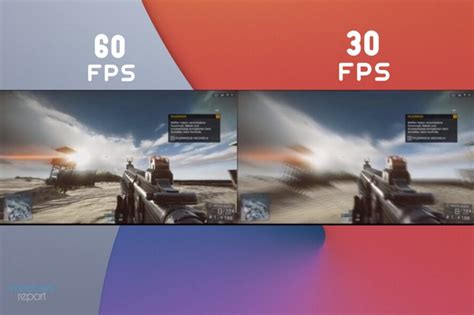
There’s nothing more frustrating for a PC gamer than experiencing sudden frame rate drops (FPS) during an intense gaming session. What starts as a smooth, immersive experience can quickly turn into a stuttering mess, impacting your gameplay and overall enjoyment. But why does this happen, and what can you do to reclaim that buttery-smooth performance?
Understanding the Culprits Behind FPS Drops
Before diving into solutions, it’s crucial to understand the potential reasons your PC might be struggling. FPS drops rarely have a single cause; often, it’s a combination of factors.
Hardware-Related Issues
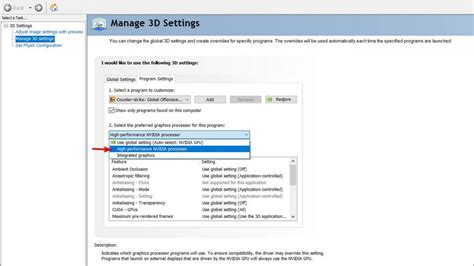
- Outdated or Underpowered Graphics Card (GPU): The GPU is the heart of gaming performance. An old card simply can’t keep up with modern game demands, or even a newer card might be struggling if its drivers are not optimized.
- CPU Bottlenecking: Your processor (CPU) is responsible for game logic, AI, and feeding data to the GPU. If your CPU can’t process data fast enough, it can’t keep the GPU fully utilized, leading to lower FPS.
- Insufficient or Slow RAM: Not enough RAM (8GB is often a minimum, 16GB recommended for modern gaming) or RAM running at slower speeds can cause your system to constantly swap data to slower storage, resulting in stuttering.
- Overheating Components: Both the CPU and GPU can throttle their performance to prevent damage when they get too hot. This thermal throttling is a common cause of sudden FPS drops during prolonged gaming.
- Slow Storage Drive: If your game is installed on an old Hard Disk Drive (HDD) rather than a Solid State Drive (SSD), load times will be longer, and in some open-world games, asset streaming can cause stutters.
Software-Related Issues
- Outdated or Corrupt Drivers: Graphics drivers are paramount. Outdated or corrupted GPU drivers are a frequent cause of poor performance. Chipset and other peripheral drivers can also play a role.
- Background Applications: Other programs running in the background (web browsers, streaming apps, antivirus scans, update services) can consume valuable CPU, RAM, and GPU resources, impacting game performance.
- Malware and Viruses: Malicious software can silently consume system resources, leading to significant performance degradation.
- Operating System Issues: An unoptimized Windows installation, power plan settings, or even recent Windows updates can sometimes interfere with gaming performance.
- Game Settings Too High: Simply put, your hardware might not be capable of running the game smoothly at your chosen graphics settings (resolution, texture quality, anti-aliasing, shadows, etc.).
Actionable Steps to Boost Your Gaming FPS
Now that we’ve identified the potential problems, let’s look at how to fix them and significantly improve your gaming experience.
Immediate Software Optimization
- Update Your Drivers: This is often the first and most effective step.
- Graphics Card: Download the latest drivers directly from NVIDIA (GeForce Experience) or AMD (Radeon Software) websites. Perform a clean installation if possible.
- Chipset Drivers: Update motherboard chipset drivers from your motherboard manufacturer’s website.
- Close Background Applications: Before launching a game, close any unnecessary programs running in the background. Use Task Manager (Ctrl+Shift+Esc) to identify resource-heavy applications.
- Adjust In-Game Settings: Experiment with lowering demanding graphics options like:
- Resolution (try dropping from 4K to 1440p, or 1440p to 1080p)
- Texture Quality (often has a significant RAM impact)
- Shadow Quality
- Anti-Aliasing (MSAA, TAA, FXAA)
- Post-Processing Effects
- Render Distance / LOD (Level of Detail)
Start with moderate reductions and test performance until you find a balance between visuals and FPS.
- Optimize Windows Settings:
- Game Mode: Ensure Windows Game Mode is enabled (Settings > Gaming > Game Mode).
- Power Plan: Set your power plan to “High Performance” (Control Panel > Power Options).
- Startup Apps: Disable unnecessary startup programs via Task Manager.
- Visual Effects: In System Properties > Advanced > Performance Settings, choose “Adjust for best performance.”
Hardware Checks and Maintenance
- Monitor Temperatures: Use software like HWMonitor, MSI Afterburner, or NZXT CAM to keep an eye on your CPU and GPU temperatures while gaming. If they consistently hit high temps (e.g., above 85-90°C), thermal throttling is likely occurring.
- Clean Your PC: Dust accumulation is a major cause of overheating. Regularly clean your case fans, CPU cooler, and GPU heatsink with compressed air. Ensure good airflow within your case.
- Check for Adequate Cooling: If cleaning isn’t enough, consider upgrading your CPU cooler or adding more case fans for better ventilation.

Consider Hardware Upgrades
Sometimes, no amount of software optimization can compensate for aging hardware. If you’ve tried all the above and still struggle, an upgrade might be necessary.
- Graphics Card (GPU): This is usually the most impactful upgrade for gaming. Research current-generation cards that fit your budget and system compatibility.
- RAM: Upgrade to 16GB or 32GB of faster DDR4 or DDR5 RAM, ensuring compatibility with your motherboard and CPU.
- Solid State Drive (SSD): Moving your operating system and primary games to an NVMe or SATA SSD will drastically improve load times and overall system responsiveness.
- CPU: A CPU upgrade can eliminate bottlenecks, especially if you have a powerful GPU paired with an older processor. Ensure your new CPU is compatible with your motherboard socket and BIOS version.
- Power Supply Unit (PSU): If upgrading multiple components, especially the GPU, ensure your PSU has enough wattage and appropriate connectors to support the new hardware.

Advanced Troubleshooting & Final Tips
- Scan for Malware: Run a full system scan using a reputable antivirus program.
- Check Disk Health: Use Windows’ built-in tools (Error Checking, Defragment and Optimize Drives for HDDs) or third-party utilities.
- BIOS/UEFI Settings: Ensure XMP/DOCP is enabled for your RAM to run at its advertised speed. Check for any CPU/GPU-related settings that might be limiting performance.
- Reinstall Windows: As a last resort, a fresh installation of Windows can eliminate deep-seated software conflicts and bloatware.

Conclusion
Experiencing FPS drops can be a complex issue with many potential causes, from hardware limitations and overheating to software conflicts and outdated drivers. By systematically diagnosing the problem and applying the solutions outlined above, you can significantly improve your PC’s gaming performance. Regular maintenance, driver updates, and mindful game settings are key to ensuring a consistently smooth and enjoyable gaming experience. Don’t let low FPS ruin your fun – take control and optimize your rig!