Why isn’t my 144Hz gaming monitor showing 144 FPS in games?

You’ve invested in a cutting-edge 144Hz gaming monitor, expecting buttery-smooth gameplay, but find your in-game frame counter stuck well below 144 frames per second (FPS). This can be a frustrating experience, as the monitor’s high refresh rate is designed to show you more frames, not magically create them. Understanding why your FPS isn’t matching your monitor’s refresh rate involves looking at several potential bottlenecks in your gaming setup.
Understanding the Difference: Hz vs. FPS
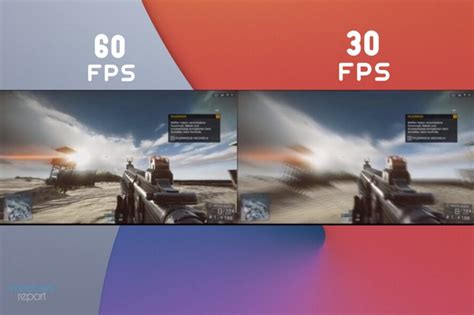
Before diving into troubleshooting, it’s crucial to distinguish between refresh rate (Hz) and frame rate (FPS). Your monitor’s 144Hz refresh rate means it can display up to 144 individual frames per second. However, your PC’s graphics card (GPU) is responsible for rendering those frames. If your GPU can only render 60 FPS in a particular game, your 144Hz monitor will still only display 60 unique frames per second, even though it’s capable of more.

Common Reasons for Low In-Game FPS
1. Your Monitor’s Refresh Rate Isn’t Set Correctly
One of the most common oversights is simply not setting your monitor to its advertised refresh rate in your operating system. By default, many monitors will revert to 60Hz until manually changed.
- Windows Settings: Right-click on your desktop, go to Display Settings > Advanced display settings > Display adapter properties for Display [monitor number] > Monitor tab. Here, select 144Hz (or your monitor’s maximum refresh rate) from the Screen Refresh Rate dropdown.
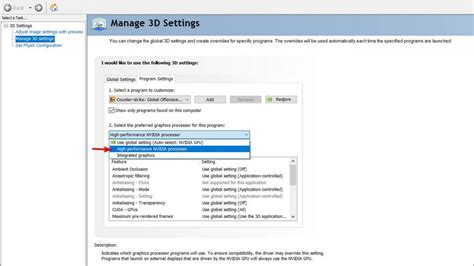
- NVIDIA Control Panel / AMD Radeon Settings: Both GPU control panels allow you to set the refresh rate. It’s often found under “Change Resolution” or “Display” settings.

2. Graphics Card (GPU) Performance Limitations
This is often the primary culprit. If your graphics card isn’t powerful enough to consistently render 144 frames per second in your desired game at your chosen settings (resolution, graphics quality), then your monitor simply won’t receive 144 FPS to display. Demanding AAA titles, especially at higher resolutions like 1440p or 4K, require very powerful GPUs to achieve high frame rates.
- Check Benchmarks: Look up benchmarks for your specific GPU and CPU combination running the game you’re playing. This will give you an idea of expected performance.
- Lower Graphics Settings: Try reducing in-game graphics settings (e.g., shadows, anti-aliasing, textures) to see if your FPS improves.
3. In-Game Settings and Caps
Many games have built-in frame rate limiters that might be enabled by default, or you might have set them yourself. Check the graphics or display settings within the game for options like “Max FPS,” “Frame Rate Limit,” or “V-Sync.”
- V-Sync: If V-Sync is enabled and your GPU can’t consistently hit 144 FPS, it might cap your frame rate to a lower multiple of your refresh rate (e.g., 72 FPS or 60 FPS) to prevent screen tearing. While beneficial for tearing, it can introduce input lag and cap FPS. Consider turning it off or using adaptive sync technologies instead.
- FPS Caps: Some games have hard FPS caps (e.g., 60 FPS) that need to be adjusted or disabled.
4. Display Cable Limitations
Not all display cables are created equal when it comes to high refresh rates and resolutions. An older or lower-spec cable might be preventing your monitor from reaching 144Hz.
- DisplayPort (DP): This is generally the preferred cable for high refresh rate gaming, especially at higher resolutions. DisplayPort 1.2 or newer is usually sufficient for 144Hz at 1080p and 1440p.
- HDMI: HDMI 1.4 is often limited to 60Hz at 1440p and higher, though it can do 120Hz at 1080p. You’ll need HDMI 2.0 or newer to reliably achieve 144Hz at 1080p/1440p, and HDMI 2.1 for 4K 120Hz+.
- DVI: Dual-link DVI can support 144Hz at 1080p, but it’s less common on modern GPUs and monitors.
Ensure you’re using the correct cable type and that it’s certified for the bandwidth required by your monitor’s resolution and refresh rate.

5. Adaptive Sync (G-Sync/FreeSync) Settings
If your monitor and GPU support adaptive sync (NVIDIA G-Sync or AMD FreeSync), ensure it’s enabled correctly in both your GPU’s control panel and your monitor’s OSD (On-Screen Display) menu. While adaptive sync aims to eliminate tearing by synchronizing the monitor’s refresh rate to the GPU’s frame rate, it doesn’t magically boost your FPS beyond what your GPU can produce. However, improper configuration or a very low frame rate falling outside the sync range can sometimes lead to unexpected behavior.
6. Outdated or Corrupted Drivers
Ensuring your graphics drivers are up to date is crucial for optimal performance. Outdated or corrupted drivers can lead to performance issues, lower FPS, and general instability.
- Update GPU Drivers: Download the latest drivers directly from NVIDIA or AMD’s official websites. Perform a clean installation if possible.
- Chipset Drivers: Less common, but outdated chipset drivers can sometimes impact overall system performance.

Troubleshooting Checklist
- Verify monitor refresh rate in OS/GPU control panel.
- Check in-game graphics settings and disable FPS caps or V-Sync if not desired.
- Confirm your display cable supports the desired resolution and refresh rate.
- Monitor your GPU usage and temperatures; high usage indicates a bottleneck, while high temps can cause throttling.
- Update your graphics drivers.
- Consider lowering in-game graphics settings if your GPU is consistently struggling.
Conclusion
Achieving 144 FPS on a 144Hz monitor is a fantastic experience, but it requires a harmonious setup where all components are working together optimally. By systematically checking your monitor settings, GPU performance, in-game configurations, cable type, and drivers, you should be able to identify and resolve why your gaming monitor isn’t delivering the high frame rates you expect. Remember, a 144Hz monitor can display 144 FPS, but your PC still needs to generate them.