How to create quick, spoiler-free game guides for immediate answers?

The Quest for Immediate, Unspoiled Answers
In the vast and ever-expanding landscape of modern video games, players often find themselves in need of a quick hint or a precise solution to a particular puzzle or challenge. However, the internet is rife with guides that are either bloated with unnecessary lore, laden with spoilers, or simply difficult to navigate for a specific answer. The demand for quick, spoiler-free game guides is higher than ever, catering to players who value their discovery experience but appreciate a helping hand when truly stuck.
Why Spoiler-Free Efficiency is Paramount
For many gamers, the joy of a game comes from its narrative surprises, character revelations, and the satisfaction of overcoming obstacles through their own wit. A guide that prematurely reveals plot points or upcoming mechanics can severely detract from this experience. The ideal guide offers a surgical strike of information – just enough to get the player past their current hurdle, and nothing more. This respect for the player’s journey fosters trust and makes your guide a go-to resource.

Core Principles for Crafting Effective Guides
Creating guides that are both swift and discreet requires a mindful approach to content generation and presentation. Here are the foundational principles:
1. Focus on Specificity, Not Narrative Flow
Avoid retelling game events or providing extensive background. Instead, pinpoint the exact question a player might have (e.g., “How to defeat Boss X,” “Where to find Item Y,” “Solution to Puzzle Z”) and deliver the answer directly. Each guide or section should serve a singular purpose.
2. Structure for Instant Access and Discoverability
Clarity in organization is crucial. Use clear, descriptive headings (e.g., “Boss Strategies,” “Side Quest Solutions,” “Collectibles Locations”) that allow players to scan and find their query quickly. Implement bullet points, numbered lists, and short paragraphs. For longer guides, a table of contents with anchor links is invaluable, letting users jump straight to their needed section.
3. Employ Minimalist Language
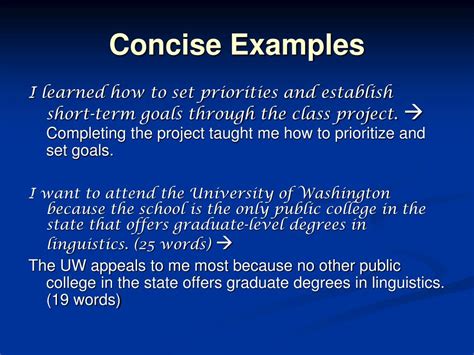
Get straight to the point. Eschew flowery language, personal anecdotes, or excessive context. Use concise, action-oriented verbs. If a step can be explained in three words, don’t use ten. The goal is to provide the answer with the least amount of reading time possible.
Practical Strategies for Guide Creation
1. The “Answer First” Approach
Begin your guide or section with the direct answer, followed by optional, progressively detailed explanations. This allows a player to grab the solution and go, or delve deeper if they need more context. For instance: “To open the crypt, use the Sunstone on the altar. (Optional: The Sunstone is found in the Western Forest…).”
2. Judicious Use of Visual Aids
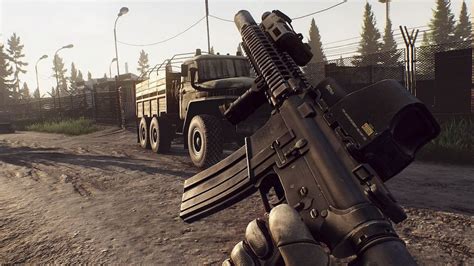
Images, short GIFs, or even very brief, silent videos can often convey information more quickly and clearly than text. However, they are also prime vectors for spoilers. Carefully select visuals that show only what’s necessary: a map location, an item icon, a UI element, or a non-contextual gameplay mechanic. Blur out irrelevant background details if necessary.
3. Utilize Collapsible Sections or Spoiler Tags
For information that might be considered a spoiler by some but necessary for others, use HTML `<details>` tags, accordions, or custom spoiler-blurring scripts. This allows players to reveal content only if they choose to, maintaining a clean default view.

Tools and Platforms for Distribution
Your choice of platform can significantly impact the discoverability and usability of your spoiler-free guides:
- Dedicated Wiki Sites: Platforms like Fandom (Wikia) or independently hosted wikis offer robust search, categorization, and cross-linking capabilities, perfect for large, evolving games.
- Personal Blogs/Websites: Provide maximum control over design, SEO, and content formatting.
- YouTube Descriptions/Comments: For video guides, providing text answers in the description or pinned comments can serve those who prefer reading over watching.
- Reddit/Forum Posts: Great for specific, niche questions within a community. Use proper spoiler tags native to the platform.
- Google Docs/Sheets: Simple, shareable, and easily editable for quick team collaboration or minimalist text guides.
Maintaining the Spoiler-Free Promise
Creating a guide is one thing; maintaining its spoiler-free integrity is another. Regularly review your content from the perspective of a first-time player. Encourage feedback from your audience regarding potential spoilers they might have encountered. Be vigilant with any integrated media, ensuring images or embedded videos do not betray future events or critical plot details.

Conclusion
In an age where information is abundant, the most valuable resource for a gamer is often specific knowledge delivered without compromise. By adhering to principles of directness, thoughtful structuring, and stringent spoiler prevention, you can create game guides that are not just useful, but respectful of the player’s journey, making them an indispensable companion in their gaming adventures.